
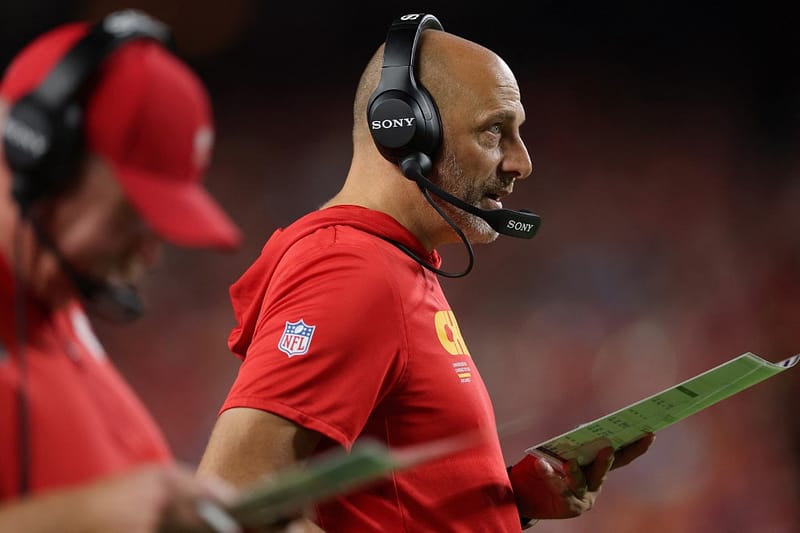

Every NFL offseason produces headline-grabbing deals—massive contracts, blockbuster trades, and franchise-altering signings. But in 2026, the teams shaping the league’s future aren’t necessarily the ones dominating headlines.
Instead, a handful of franchises are quietly building smarter, deeper, and more sustainable rosters through disciplined spending and strategic targeting.
These are not flashy moves. They’re calculated ones. And historically, those are the moves that translate into playoff success.
Why Smart Spending Is Becoming The New Competitive Edge
The modern NFL has made one thing clear: cap management is just as important as talent acquisition.
Teams that overspend early in free agency often sacrifice long-term flexibility. Meanwhile, smarter organizations are:
- Targeting scheme-specific players
- Avoiding inflated contracts
- Preserving cap space for midseason adjustments
This shift reflects a deeper understanding of roster construction. Winning isn’t just about star power—it’s about balance, depth, and adaptability.
According to the latest insights from NFL free agency coverage, many front offices are prioritizing value signings over headline deals, reinforcing a league-wide trend toward efficiency.
The Teams Quietly Building Contenders
Several teams stand out for their disciplined approach this offseason. They may not be winning the news cycle, but they’re positioning themselves for meaningful football in January.
| Team | Strategy Focus | Why It Matters |
|---|---|---|
| Detroit Lions | Depth + trench upgrades | Strengthens consistency on both sides |
| Jacksonville Jaguars | Targeted defensive additions | Improves situational performance |
| Tennessee Titans | Offensive balance | Supports QB development |
| Indianapolis Colts | Incremental roster building | Maintains long-term flexibility |
What connects these teams is a shared philosophy: build around identity, not hype.
The Lions, for example, are reinforcing the physical style that made them dangerous last season, rather than chasing unnecessary upgrades.
Depth Over Headlines: The Hidden Advantage
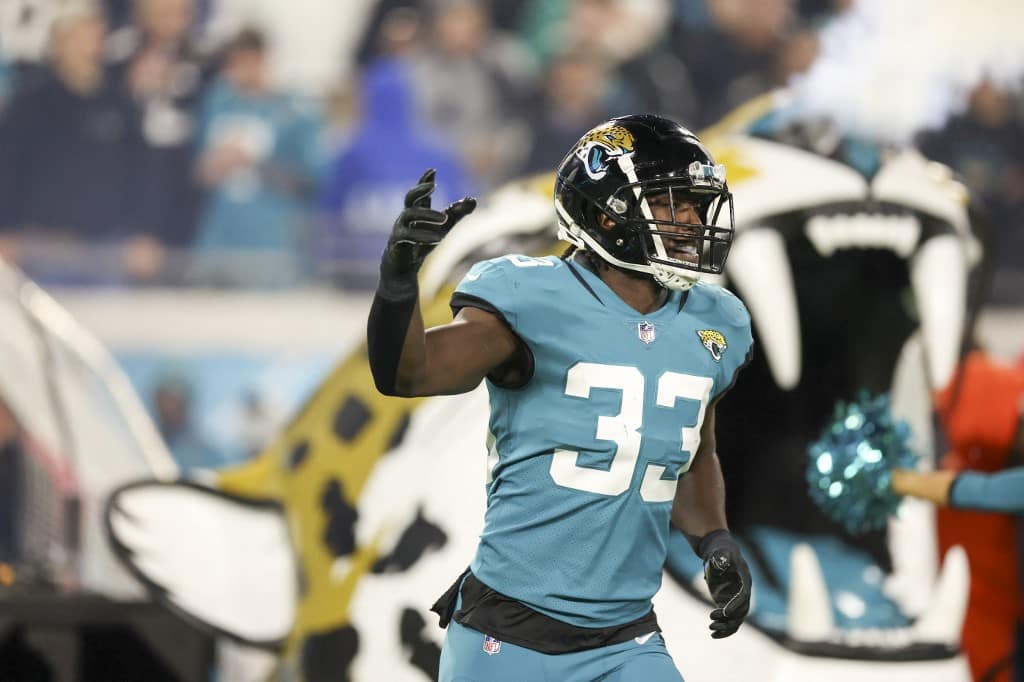
Championship teams are rarely built on stars alone. They are built on roster reliability.
Injuries, matchups, and late-season fatigue expose shallow teams quickly. That’s why depth signings—often overlooked—are becoming the backbone of successful franchises.
Smart free agency teams are prioritizing:
- Rotational defensive linemen
- Versatile offensive linemen
- Secondary depth for matchup flexibility
These additions don’t trend on social media. But they win playoff games.
Offensive Stability Is Driving Smarter Decisions
Another clear trend in 2026 is the emphasis on offensive continuity.
Rather than overhauling entire units, smart teams are focusing on protecting and stabilizing what already works. This includes:
- Reinforcing offensive lines
- Adding complementary receivers instead of WR1 splashes
- Supporting young quarterbacks with structure, not pressure
This approach mirrors the philosophy behind teams building around emerging stars, similar to how franchises are evaluating the quarterbacks shaping the league’s future.
Financial Discipline Is Creating Long-Term Contenders
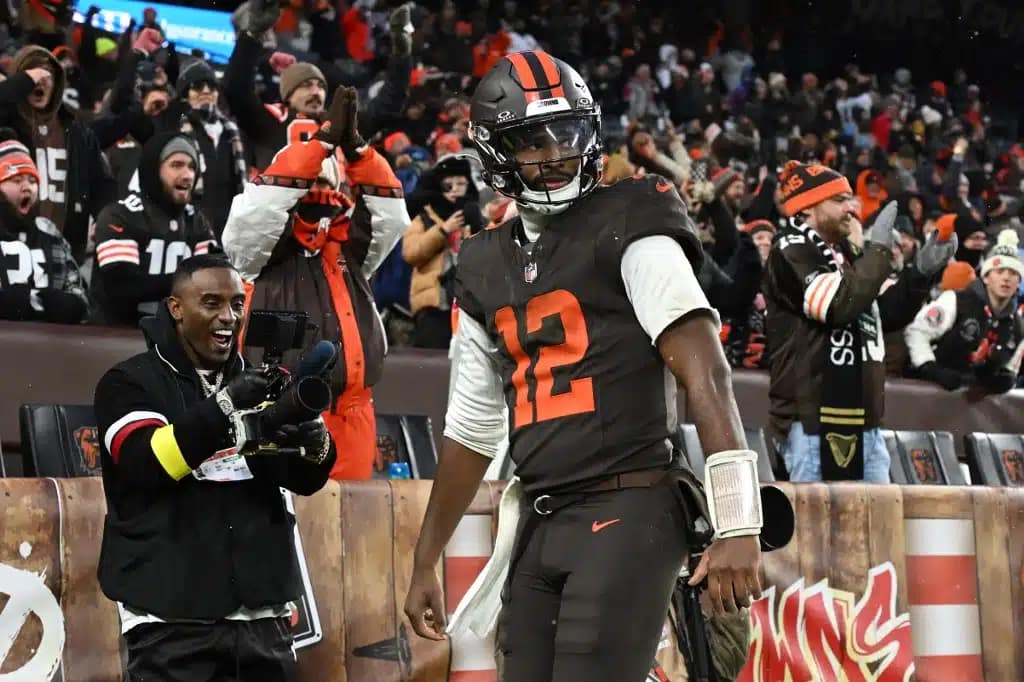
The difference between a one-year contender and a multi-year powerhouse often comes down to contract structure.
Teams quietly winning free agency are leveraging:
- Short-term, high-upside deals
- Incentive-based contracts
- Flexible guarantees
This allows them to remain competitive while retaining the ability to adjust as the season evolves.
In contrast, teams that commit heavily to splash signings often find themselves limited when injuries or underperformance hit.
Why This Approach Wins In January
The postseason is where roster construction is truly tested.
Games are tighter. Margins are smaller. Depth becomes essential.
The teams that succeed are usually the ones that:
- Adapt to different styles of play
- Rotate players without losing quality
- Maintain physicality deep into the season
And that’s exactly what smart free agency builds toward.
The Bigger Picture Behind The 2026 Offseason
What we’re seeing this year is not just a trend—it’s a shift in philosophy.
Front offices are moving away from reactive spending and toward intentional team-building models. The goal is no longer to “win free agency,” but to win sustainably.
That means trusting scouting, valuing fit over fame, and understanding that the best moves are often the ones that don’t dominate headlines.
Because in the end, the teams quietly winning March are often the ones still playing in February.