
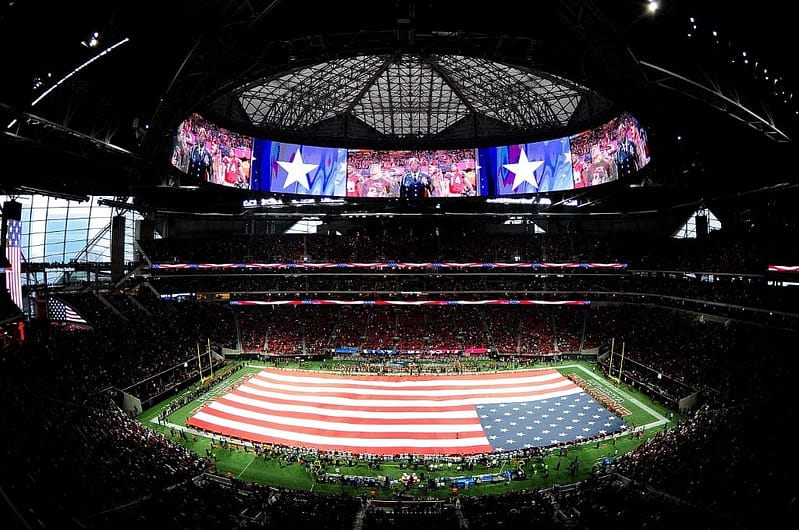

Dallas Stadium gives the 2026 World Cup one of its biggest American stages, but the real test in North Texas is not just whether fans fill the seats. It is whether the region can move, screen, protect, guide, and serve thousands of international visitors across a month of matches, fan events, media operations, team movements, and public gatherings. Dallas has the attendance scale and stadium profile to look like a World Cup centerpiece. The security debate around the venue shows why America’s tournament success will be judged by everything that happens before fans reach the turnstiles and after they leave.
Why Dallas Carries One Of The Biggest World Cup Workloads
Dallas is not a secondary stop on the 2026 World Cup map. FIFA lists Dallas Stadium in Arlington as a host venue for nine matches, more than any other city, including five group-stage games, two Round of 32 matches, one Round of 16 match, and a semifinal on July 14. That schedule gives North Texas one of the longest and most demanding operational arcs of the tournament.

That workload changes the meaning of stadium readiness. A single marquee match can rely on short-term intensity. Nine matches require systems that can repeat. Security checkpoints, parking routes, pedestrian corridors, fan communication, emergency planning, medical response, credential systems, volunteer deployment, and team escort operations all have to work more than once under changing opponents, crowd profiles, weather patterns, and match stakes.
FIFA’s Dallas host city profile frames the city as one of the tournament’s major American hubs, with Dallas Stadium carrying matches from the group stage into the semifinal round. That status is valuable for the region, but it also creates a wider accountability test. Fans will remember the football. They will also remember whether it was easy to arrive, safe to wait, clear where to go, and calm enough to enjoy the event.
That is where the Dallas debate becomes bigger than one stadium. The venue can look full and still expose pressure points outside the gates.
How Security Extends Beyond The Stadium Bowl
Fans arriving at Dallas Stadium will see the visible layer: metal detectors, police presence, credential checks, controlled entry points, and security staff around the venue. The deeper operation is harder to see. NBC 5 Dallas-Fort Worth reported that former Dallas Cowboys security director Larry Wansley described the World Cup security structure as a layered effort shaped by international scale, agency coordination, intelligence review, tabletop exercises, and months of preparation.
That behind-the-scenes structure is central to the event. A World Cup match does not begin at kickoff. It begins when teams leave hotels, when fans gather in parking areas, when buses and rideshare vehicles approach Arlington, when media enter credentialed zones, and when large groups form outside the controlled stadium perimeter.
Wansley pointed to concerns beyond the stadium gates, including parking lots and entertainment areas outside the venue. That is the practical heart of the Dallas security issue. Inside the stadium, security can be controlled through ticketing, screening, cameras, staffing plans, and venue protocols. Outside the stadium, the environment is more fluid. People arrive at different times, gather in less formal spaces, look for transportation, wait for friends, or move toward bars, hotels, and fan zones.
World Football Idol’s recent look at World Cup fan festival growth showed how the 2026 tournament is expanding beyond stadiums into public viewing spaces and citywide gatherings. Dallas fits that same pattern. The match venue matters, but so do the spaces where fans gather before and after the match.
Why Dallas’ Fan Fest And Media Footprint Add Pressure
The Dallas World Cup footprint is not limited to AT&T Stadium. City officials told NBC 5 that North Texas planning covers 27 venues and event sites, with 25 local public safety agencies working alongside state and federal partners. The FBI is expected to lead a Joint Operations Center, while the Kay Bailey Hutchison Convention Center serves as the International Broadcast Center for global media operations.
Fan Fest adds another layer. Dallas officials said Fair Park’s Fan Fest could draw 35,000 visitors per day. That turns the region’s World Cup responsibility into a multi-site event operation rather than a stadium-only sports schedule. A fan may watch a match at a public gathering, travel to Arlington for a later match, pass through downtown Dallas, and interact with police, volunteers, transit staff, private security, hospitality workers, and event staff across different jurisdictions.
The Dallas match schedule also makes clear that matchday planning is tied to practical fan movement, including pre-purchased parking and limited inventory. That detail matters because parking and transportation are often where fan frustration becomes a public safety concern. If too many people arrive late, walk long distances without clear guidance, or search for parking near heavily controlled areas, the security burden grows.
| Dallas World Cup Pressure Point | Why It Matters | Security Or Fan Experience Risk |
|---|---|---|
| Nine Matches | Longest host workload in the tournament | Repeated strain on staffing and procedures |
| Fan Fest At Fair Park | Up to 35,000 daily visitors expected | Large non-ticketed crowds need clear planning |
| International Broadcast Center | Global media operations in downtown Dallas | Credentialing, cyber, and access control needs |
| Team Motorcades | Teams moving between airports, hotels, training sites, and stadium | Route security and crowd control challenges |
| Parking And Pedestrian Flow | Fans moving across Arlington before and after matches | Confusion can create bottlenecks outside gates |
This is why attendance alone cannot define success. A full building is only the visible result. The quality of the event depends on the invisible systems supporting it.
How Drones, Airspace, And Team Movement Shape The Debate
Modern event security is not only about gates and crowds. Spectrum News reported that federal agents established a no-fly zone around Dallas Stadium, with aircraft and drones prohibited within a 3-nautical-mile radius and up to 3,000 feet above ground level during the FIFA match operations period from June 14 to July 14. That detail shows how the World Cup security perimeter now extends into the sky.
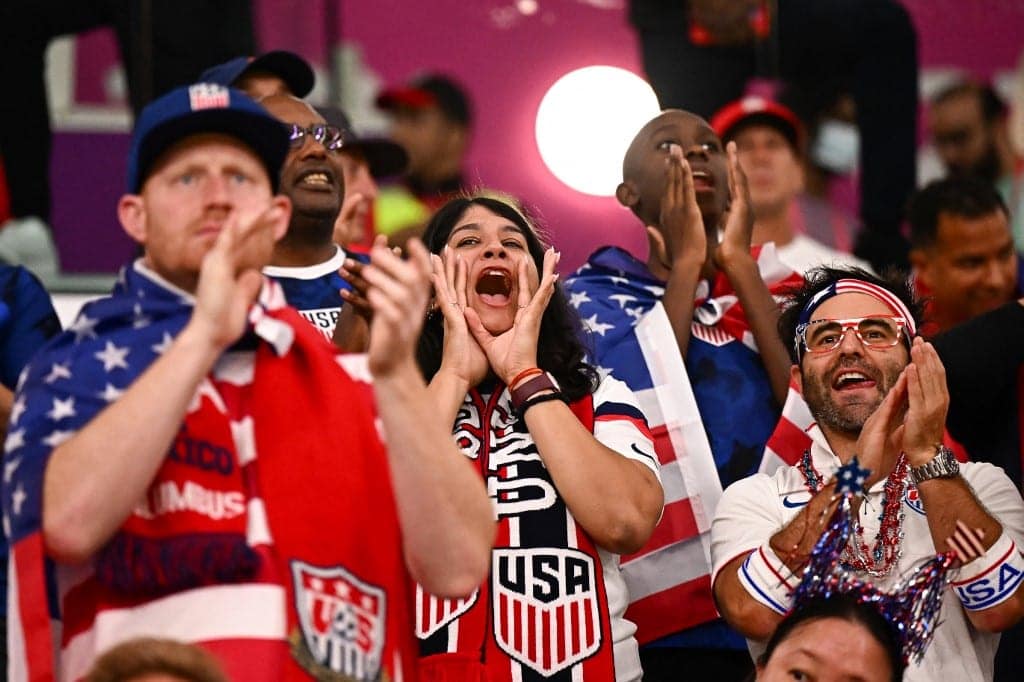
Drone restrictions are a clear example of how sports security has changed since the United States last hosted the men’s World Cup in 1994. Stadiums are larger, media operations are more complex, drones are more accessible, and international events carry different threat profiles. A fan may think of security as a bag check or a police officer at the gate. Event planners have to think about airspace, cyber threats, dignitaries, team hotels, broadcast compounds, and public gathering zones.
Team movement is another part of the issue. World Cup teams do not simply appear at the stadium. They move between airports, hotels, training facilities, and match venues, often with supporters waiting nearby. NBC’s reporting noted that several North Texas police departments are expected to handle motorcades escorting teams across the region. That turns ordinary roads into temporary sports-security corridors.
The North Texas security plan is a reminder that America’s World Cup challenge is regional. Dallas, Arlington, airports, hotels, training sites, Fair Park, downtown media areas, and entertainment districts all become part of the same event network.
Why Fan Communication May Matter As Much As Enforcement
A strong security plan can fail in the eyes of fans if the information is confusing. For a global tournament, that communication challenge becomes harder. Visitors may not know local laws, parking rules, bag policies, rideshare procedures, road closures, stadium naming conventions, or how long it takes to move between Dallas, Arlington, and other parts of North Texas.
Dallas Police Chief Daniel Comeaux told Spectrum News that officials planned messaging for international visitors at DFW Airport and Love Field, including information about U.S. and Texas laws. That approach matters because security is not only enforcement. It is expectation-setting. The earlier fans understand what is allowed, where to go, when to arrive, and how to report problems, the less pressure falls on officers and stadium staff at peak moments.
Pedestrian safety is another communication issue. Assistant Chief Mark Villarreal of the Dallas Police Department told NBC 5 that protecting entertainment districts and pedestrian movement was a concern, while city officials pointed to plans for crowd control and emergency action. That is the kind of detail that can decide whether the tournament feels organized or stressful.
The strongest World Cup host cities will not be the ones that simply place more officers in more places. They will be the ones that make fans feel directed, informed, and protected without turning matchday into a tense experience.
Why America’s World Cup Reputation Is On The Line
The United States has an unmatched record of hosting huge sports events: Super Bowls, Final Fours, College Football Playoff games, World Series matchups, NBA All-Star weekends, WrestleManias, and major international friendlies. The World Cup is different because of its duration, global fan mix, and multi-city structure. Dallas shows the scale of that difference.
The region has the stadium, the hotels, the media infrastructure, and the event experience. The harder question is whether all those pieces work together under World Cup pressure. A full Dallas Stadium semifinal on July 14 would look spectacular on television. That image will mean more if fans also experience safe movement, clear entry, manageable exits, responsive security, and organized public spaces.
The Dallas security debate should not be read as a sign of weakness. It is a sign of seriousness. Cities that host major international tournaments have to talk openly about crowd control, drones, heat, pedestrian safety, transportation, cyber risk, and dignitary movement because those are now part of the sport.
What Dallas Can Prove Before The Semifinal
Dallas has a chance to show that America’s World Cup success can be measured beyond attendance numbers. The venue will almost certainly deliver big crowds. North Texas has the soccer audience, event culture, and stadium scale to make that happen. The more important proof comes in the repetition: group-stage match after group-stage match, then knockout events, then the semifinal.
If the region handles that rhythm well, Dallas can become one of the strongest examples of how a U.S. city manages global soccer at scale. If problems emerge around traffic, crowd movement, parking, drone incidents, communication gaps, or fan frustration, the stadium’s size will not hide them.
For World Football Idol readers, that is the bigger lesson. The 2026 World Cup is a soccer tournament, but it is also a host-city stress test. Dallas Stadium can deliver the spectacle. The systems around it will decide whether the spectacle feels safe, organized, and worthy of the world’s attention.