
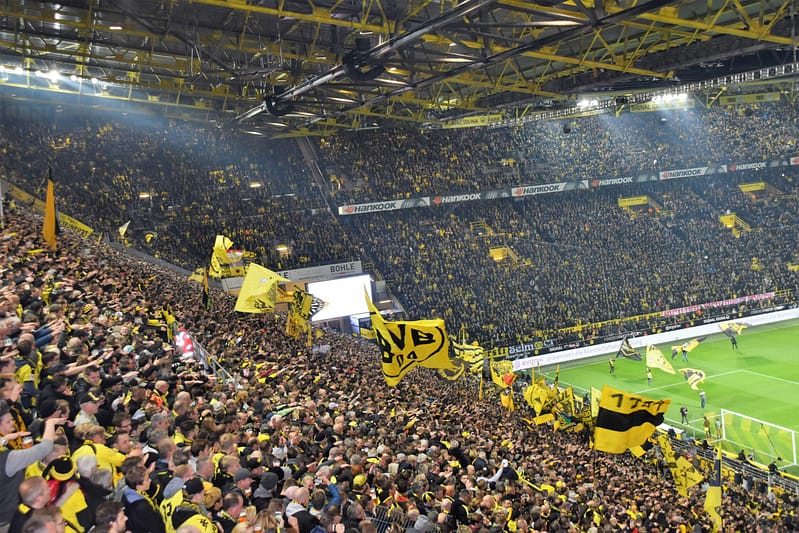

In 2025, football is experiencing a dramatic shift. The surge of fan-owned football clubs worldwide is transforming the football landscape, putting the heart of the game back in the hands of supporters. This article delves into what’s fueling the rise of fan ownership in football, its impact on clubs, communities, and the broader sports culture.
Understanding the Fan-Owned Club Model
Fan-owned football clubs are organizations where the fans, instead of a single wealthy owner or corporation, collectively retain decision-making power and financial control. These clubs operate on democratic principles, often with each member having a direct vote or say in major decisions—a stark contrast to the traditional ownership model.
Popular examples include Germany’s 50+1 rule, which mandates that members (fans) hold a majority of voting rights in their clubs. Similarly, fan-ownership models are gaining ground in the UK, Spain, and even the United States, as supporters seek a stronger voice in their clubs’ futures. For a modern perspective, check out BBC’s coverage of fan ownership.
What’s Driving the Rise of Fan-Owned Clubs in 2025?
Several key trends are catalyzing the growth of fan-owned football clubs:
- Frustration with Commercialization: Many fans feel traditional clubs have become corporate vehicles, prioritizing profits over sporting integrity and local identity.
- Digital Platforms: Online tools and blockchain-based systems have made it easier for fans across the globe to band together, raise funds, and participate in transparent voting.
- Success Stories: Clubs like AFC Wimbledon, Union Berlin, and Real Oviedo (with thousands of fan shareholders spanning many countries) have shown that fan ownership can lead to stability and even on-field success.
The appeal of community-centric, sustainable club models has fueled a new wave of movements in 2025, with even high-profile teams exploring hybrid or partial fan-ownership structures.
How Fan Ownership Transforms Club Governance
Fan-owned football clubs differentiate themselves through their unique approach to governance and transparency. Members often vote on everything from club directors and chief executives to shirt sponsors and major strategic decisions.
This democratic structure increases club accountability, fosters a deeper sense of belonging among supporters, and often prioritizes the long-term health of the club over risky short-term investments.
Financial Sustainability and Community Benefits
Fan-owned clubs often operate differently regarding financial stewardship. Because fans are typically motivated by passion rather than profit, they prioritize sustainability, sound budgeting, and support for the local community.
This approach can prevent reckless spending, which has led to the collapse of many traditionally owned clubs. Instead, revenue is redirected into youth programs, stadium improvements, and fan experiences, strengthening the bond between the team and its base.
Furthermore, fan-owned clubs foster social initiatives, nurture grassroots football, and provide platforms for local businesses, making them pillars of their communities.
Real-World Success Stories of 2025
2025 has seen a growing roster of fan-owned football clubs achieve major milestones—both on and off the field:
- Union Berlin: Continues its successful run in the Bundesliga, firmly supported by its member-owners.
- AFC Wimbledon: Sets a benchmark for club atmosphere, transparency, and community engagement in England’s Football League.
- New International Ventures: Fan-owned clubs are emerging in South America, Africa, and Asia, using digital platforms to attract a global fanbase and crowdfunding millions for new stadiums and academies.
For more examples and updated statistics, FIFA’s report on football governance (opens in new tab) covers the rise of supporter involvement worldwide.
Challenges Facing Fan-Owned Football Clubs
Despite their appeal, fan-owned clubs often face significant hurdles:
- Access to Capital: Raising funds for top-tier competition can be difficult, especially compared to wealthy owners able to inject massive cash sums.
- Management Complexity: Democratic decision-making can slow down urgent actions or foster internal disagreements.
- External Pressures: Market pressures from broadcast deals and league requirements can challenge the ideals of community-focused models, requiring careful navigation.
Nevertheless, these challenges are being met with innovative solutions—ranging from hybrid ownership structures to increased commercial creativity—demonstrating that fan-owned clubs can be resilient and successful.
The Future Outlook: Are Fan-Owned Clubs Here to Stay?
In 2025, the momentum behind the fan-owned football movement is undeniable. As clubs and fans leverage digital tech for fundraising, communication, and decision-making, the barriers to broader adoption are falling.
This surge signals a new era for football—one where passion, community, and transparent governance truly matter. While not every club will go fully fan-owned, the movement is prompting even the richest teams to rethink how they engage with their most important stakeholders: the supporters.
Conclusion
The rise of fan-owned football clubs in 2025 is redefining what it means to support—and to own—a team. These clubs provide a shining example of how football can stay true to its roots, foster stronger communities, and remain resilient in an ever-commercializing world. As the movement grows, it may just shape the future of football for the better.