
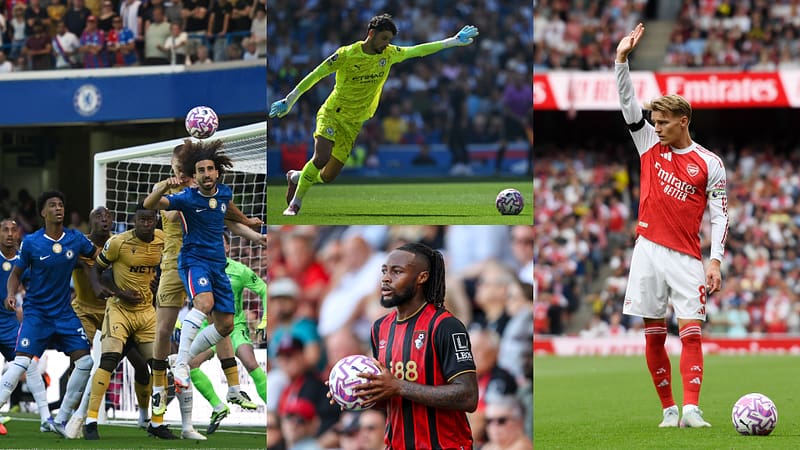

The Premier League is synonymous with drama, intensity, and tactical innovation. As we look ahead to the 2025–26 season, the competition among England’s elite clubs is fiercer than ever. While star signings and managerial personalities grab headlines, it’s the subtle tactical shifts beneath the surface that often separate champions from the chasing pack. Here, we examine the evolving strategies, innovations, and managerial decisions poised to define this season’s title race.
High Pressing and Counter-Pressing: The Continuing Evolution
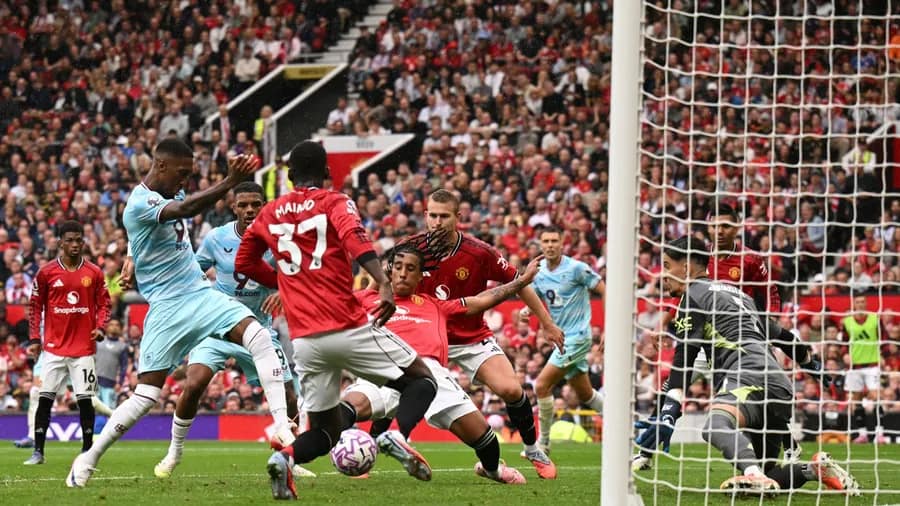
In recent years, high pressing and aggressive transitions have become staple weapons among top Premier League teams. The 2025–26 season is set to see an even greater commitment to coordinated pressing, with several contenders investing in players with the stamina, technical quality, and tactical awareness to execute complex pressing schemes.
Clubs like Manchester City and Liverpool continue to refine their pressing traps, looking to create turnovers in high-value areas of the pitch. Meanwhile, up-and-coming sides are adopting hybrid systems that can switch seamlessly between deep blocks and coordinated presses, keeping opponents guessing.
Adaptive Formations and Fluid Midfields
Tactical versatility is becoming a hallmark of modern contenders. Managers are embracing formations that morph during matches—moving from three at the back in possession to five when defending, or employing fullbacks as inverted midfielders to congest the center of the park.
The rise of versatile midfielders, capable not only of controlling tempo but also adapting to pressing and positional play, has shifted squad-building priorities. Teams like Arsenal and Chelsea are placing increased emphasis on ball-playing defenders and creative pivots to dictate the rhythm of games and control transitions.
Data-Driven Player Roles and Squad Rotations
The gap between the top and the rest is narrowing thanks to advanced data analytics. Clubs are using real-time performance data to optimize player roles, identify opposition weaknesses, and ensure that entire squads remain fresh during the grueling Premier League schedule.
Rotational strategies now go beyond simply resting stars—managers utilize analytics to tailor lineups for specific opponents, challenge tactical mismatches, and minimize injury risks over 38 demanding fixtures.
The Rise of the Hybrid Attacker
This season, the title race could hinge on the emergence of hybrid forwards—players who blend the skills of a traditional striker, winger, and creative playmaker. These attackers are valuable for their ability to interchange positions, exploit defensive gaps, and execute pressing responsibilities.
Managers are deploying systems that maximize the impact of such players, allowing flexibility in the final third and making it harder for opposition defenses to lock-in on a single threat.
Defensive Organization in an Era of Attack-Minded Football
With so much emphasis on attacking flair and high pressing, defensive stability remains critical. The 2025–26 season is expected to showcase innovations in defensive organization, including zonal marking in wide areas, compact back threes, and the use of midfield screeners who can break up play and launch counters.
Balancing attack and defensive discipline is an ongoing challenge for title challengers—those who master it are often the ones lifting the trophy in May.
Managerial Philosophies Driving Tactical Change
Behind every tactical nuance is a visionary manager. From experienced tacticians like Pep Guardiola and Jürgen Klopp to rising innovators bringing new philosophies to the Premier League, leadership remains key in shaping trends.
Clubs with clear identity and culture—embraced both by players and fans—are better positioned to execute sophisticated tactical plans, weather adversity, and thrive during pivotal title-defining stretches.
Conclusion: A Season Defined by Tactical Ingenuity
As the 2025–26 Premier League title race heats up, the ultimate winners may not only be those with the deepest squads or most expensive signings, but those who best adapt to evolving tactical demands. From pressing and adaptability to analytics and managerial vision, the race for English football’s top prize promises to be shaped by innovation on and off the pitch.