
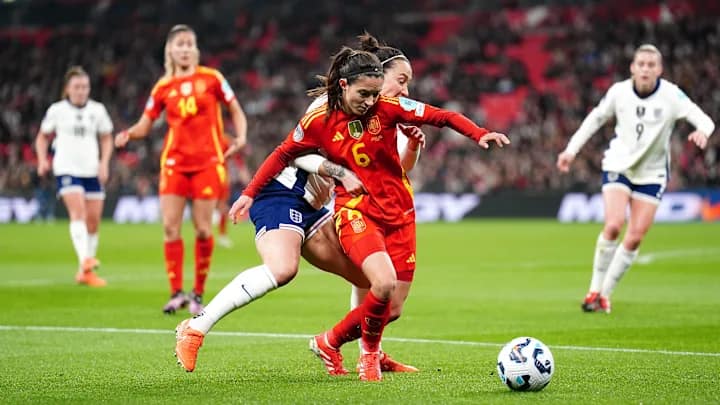

Women’s football has undergone a seismic transformation over the last decade, but 2025 marks a particularly pivotal year. Not only is attendance surging and investment swelling, but the cultural and tactical influence of women’s football is now reshaping the way the entire sport is played, covered, and celebrated around the world. From grassroots momentum to international stardom, women’s football is not just catching up—it’s actively redefining what the beautiful game means for this generation and the next.
A Record-Breaking Year: Popularity Soars
Unprecedented Viewership and Attendance
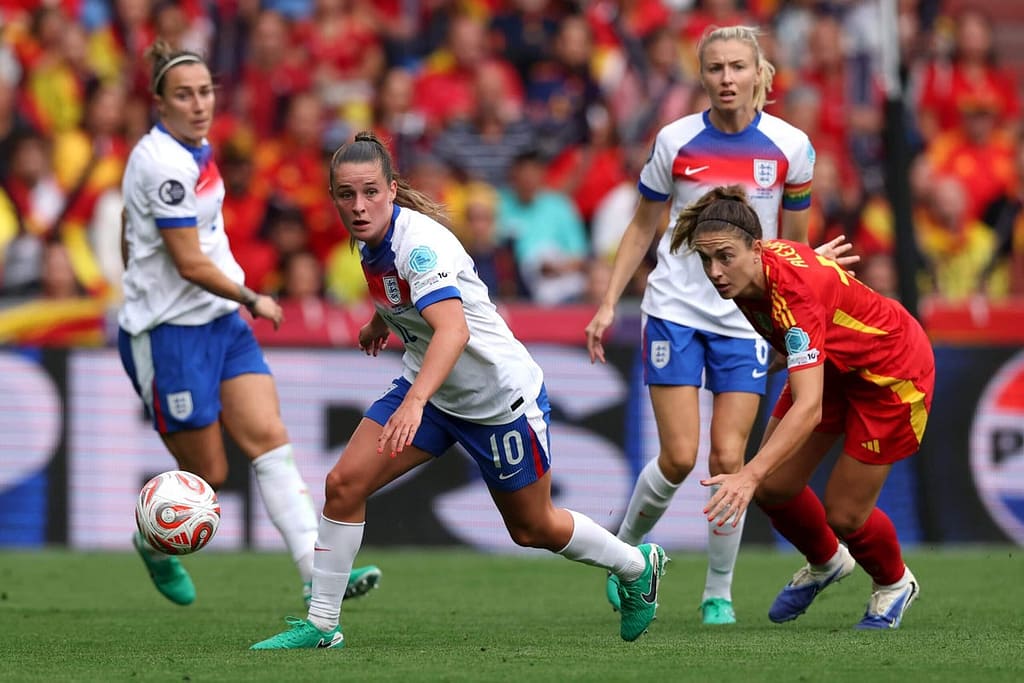
In 2025, women’s football leagues—from England’s Women’s Super League to the NWSL in the United States and Europe’s UEFA Women’s Champions League—are drawing record crowds and television audiences. The 2025 Women’s Champions League final shattered previous viewership records, and domestic league matches regularly sell out major stadiums.
Key stats:
- Over 90,000 witnessed the UEFA Women’s Champions League Final at Wembley
- The NWSL reported a 60% year-over-year growth in streaming subscribers
- Broadcast deals for women’s football now reach more than 180 countries
Corporate Investment and Sponsorship
Unprecedented investment from sports brands, apparel companies, and even tech giants are propelling women’s football into a new financial tier. Multi-million dollar sponsorships are now standard, creating resources for better training, facilities, and youth development.
Major brands now regularly sign:
- Kit sponsorships on par with men’s teams
- Multi-year broadcasting agreements
- Grassroots investment programs for local girls’ football
Game Evolution: Tactical & Technical Shifts
Style of Play: Innovation Leads the Way
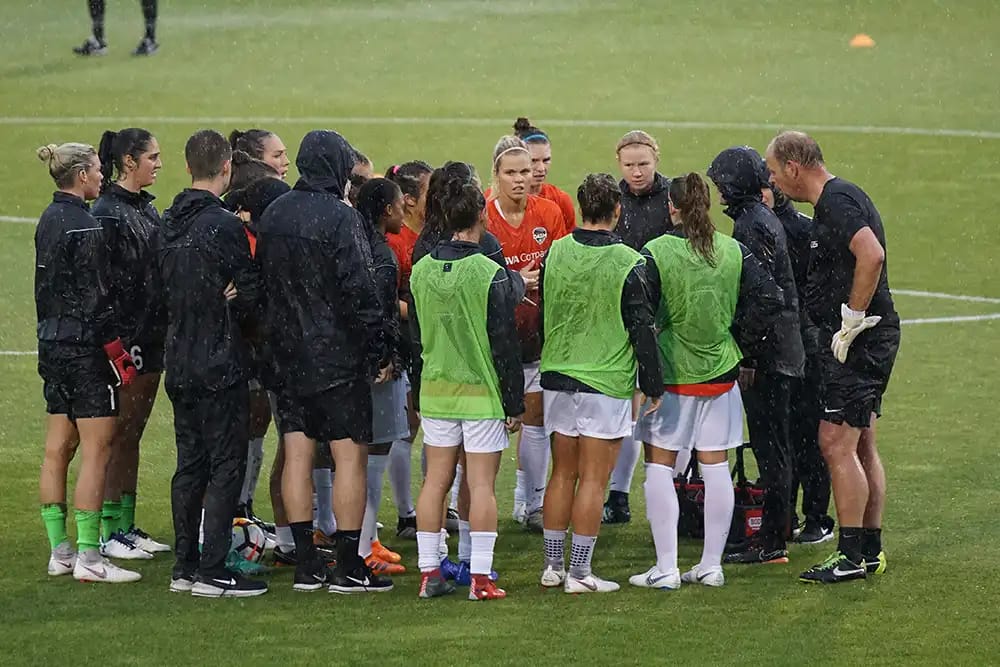
Women’s football in 2025 is celebrated for its unique blend of technical precision, tactical creativity, and athleticism. Coaches point to the increased cross-pollination of ideas—many leading clubs employ renowned coaches from men’s and women’s games alike, resulting in some of the most innovative football anywhere.
Tactical trends seen in 2025:
- High-pressing defenses, inspired by both men’s and women’s Champions League winners
- More intricate build-up play, emphasizing teamwork over individual stardom
- Goalkeepers and defenders playing with their feet, mirroring the “sweeper-keeper” evolution
Emphasis on Youth Development
Across Europe, North America, and emerging football hotbeds in Africa and Asia, integrated academies for girls are mainstream. Young female talents benefit from the same elite coaching, scouting technology, and sports science as their male counterparts.
- Major clubs have fully merged girls’ and boys’ academies
- Early talent identification and support
- Growing international competitions at the youth level
Breaking Cultural Barriers and Inspiring Change
Media Spotlight and Representation
2025 marks the era in which women’s football coverage on major outlets matches that of men’s games in quality and quantity. Dedicated reporters, primetime TV slots, and robust social media campaigns fuel mainstream conversations.
Recent shifts include:
- Equal promotional efforts during tournament cycles
- Women’s football icons (like Alexia Putellas and Sophia Smith) headlining campaigns
- Documentaries and podcasts celebrating female pioneers and rising stars
Changing Perceptions: From Stereotypes to Role Models
No longer an afterthought, female footballers serve as inspiration and social catalysts. Their presence is helping dissolve gender stereotypes, drive conversations about pay equity, and expand the definition of what it means to be an athlete, leader, and global influencer.
- Players spearhead community outreach and activism
- Brands feature women’s football stars as global ambassadors, not just “female athletes”
- Initiatives fighting for pay equity and equal treatment are seeing concrete gains (BBC coverage)
The Economics of Growth: League Sustainability and Globalization
Professionalization and Parity
In 2025, the top women’s football leagues offer year-round professional contracts, comprehensive health and maternity benefits, and competitive wages—retaining top global talent and attracting stars from other sports.
Bullet points: What’s driving sustainable growth?
- Stadium upgrades and digital fan engagement strategies
- Creation of Women’s Football Manager and other video games
- International transfers and “super-club” rivalries mirroring the men’s scene
Global Appeal: Emerging Markets
The rapid expansion of women’s football is not limited to traditional powerhouses. Countries like Colombia, Japan, Nigeria, and Australia boast thriving domestic leagues, with their top clubs regularly competing in revamped global club competitions.
Facing the Challenges: What’s Next?
Despite the remarkable progress, women’s football still faces challenges in terms of pay equity, media representation in some regions, and addressing concerns about scheduling and travel.
Ongoing issues include:
- Narrowing the financial gap outside the top five European leagues
- Improving pitch quality and travel conditions, especially in developing markets
- Advocating for equal prize money in international competitions
Conclusion: A Transformative Moment
Women’s football is no longer just “growing”—in 2025, it is redefining the global sport itself. From the packed stadiums and record media deals to the transformative cultural impact, the women’s game stands at the forefront of innovation, inclusion, and inspiration. As new fans tune in and young girls dream big, the momentum only looks set to accelerate.