
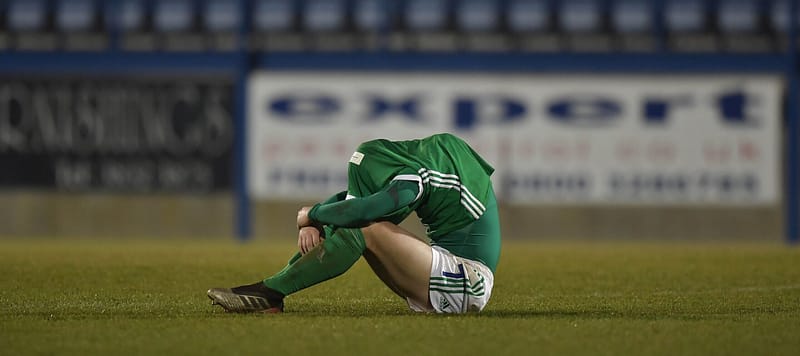

Football, often called “the beautiful game,” captivates the hearts and minds of billions. But beneath the glitz of stadium lights and roaring crowds lies a growing crisis: the mental health struggles of professional footballers. In recent years, more players have bravely shared their experiences with anxiety, depression, and burnout—shedding light on the immense psychological pressures baked into elite sport. This article examines the scale of the mental health crisis in football, why players are speaking out, and what’s being done to support their well-being.
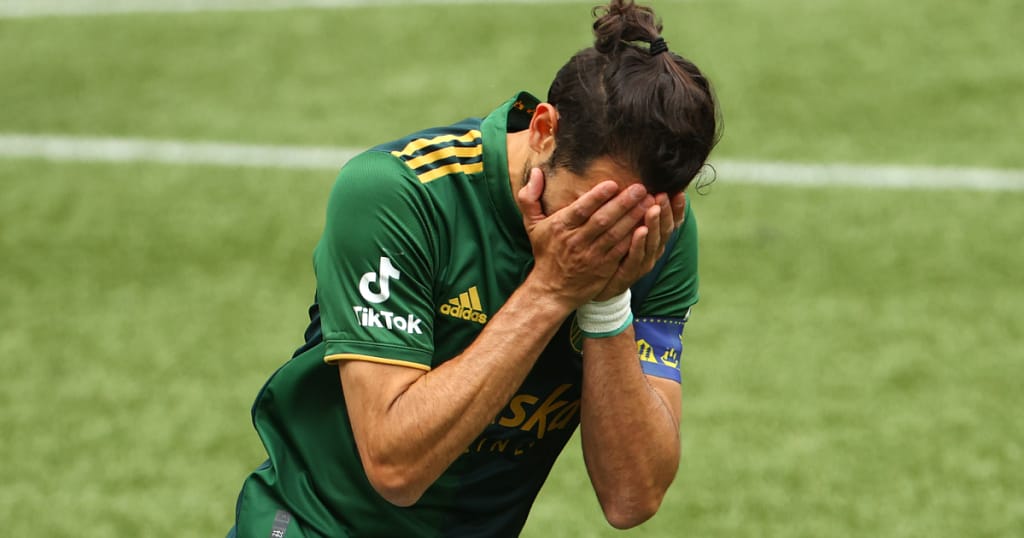
Understanding the Hidden Pressures in Football
Beyond Physical Demands
Professional footballers endure grueling physical routines and high-stakes competition, but the mental toll can be even more daunting. From relentless training schedules to public scrutiny after every match, the psychological burden is often invisible.
Key Sources of Pressure:
- Intense expectations from coaches, fans, and family
- Media criticism and social media abuse
- High-stakes decision making in games
- Fear of injury and consequences for career longevity
- Lack of privacy and constant public attention
- Contract and job insecurity
The competitive nature of football means even a single mistake can draw massive criticism, affecting self-esteem and confidence.
Players Speaking Out: Breaking the Stigma
Breaking the Silence: Recent Experiences
A new wave of footballers has begun sharing their mental health journeys, challenging outdated stereotypes that athletes must always be tough and stoic.
Notable examples:
- Andrés Iniesta (Spain): The World Cup winner publicly addressed his battles with depression, especially after long-term injuries.
- Danny Rose (England): The Tottenham and England defender confessed to severe bouts of depression following injury and family issues.
- Simone Biles (global sports icon): Though a gymnast, Biles’ withdrawal from the Olympics echoed across all sports, inspiring footballers like Tyrone Mings and Dele Alli to speak candidly about their own mental health.
Their courage has opened doors for others to come forward, reducing the stigma associated with discussing mental health within the sport.
Why Now? Social and Cultural Shifts
- Greater media focus and investigative reporting
- Rise of mental health campaigns in sports
- Changing locker room cultures—clubs and teammates more supportive
- Growing recognition that mental health is as vital as physical fitness
The Reality of Burnout in Football
What Does Burnout Look Like?
Burnout is a state of emotional, mental, and physical exhaustion brought on by prolonged stress. In football, this can manifest as:
- Lack of motivation and enjoyment in playing
- Sleep disturbances, chronic fatigue, and irritability
- Declining performance despite intense training
- Withdrawal from teammates and loved ones
- Persistent injuries due to overtraining
Burnout isn’t just an “off day”—it can end promising careers and lead to tragic outcomes if left unaddressed.
Statistics Behind the Crisis
A landmark study by FIFPro—the global union for professional footballers—found that nearly 38% of active players experience symptoms of anxiety or depression during their careers. Among retired professionals, symptoms are even more prevalent. With the rise of social media, cyberbullying, and constant digital engagement, young players are particularly vulnerable.
Social Media: Amplifying the Pressure
While social media connects players with fans, it also exposes them to unprecedented scrutiny and abuse.
Common experiences include:
- Online trolling and targeted racial or homophobic abuse
- Performance criticisms from thousands with every match
- Lack of boundaries—players available 24/7 to the public
For instance, England’s Bukayo Saka received widespread online abuse after the Euro 2020 final, but responded with remarkable resilience and support from the football community. Governing bodies like UEFA have since launched campaigns to protect players and root out abuse on digital platforms.
Support Systems and Solutions: What’s Being Done?
Club Initiatives and Mental Health Programs
Football clubs, leagues, and national associations are responding to the crisis with various initiatives:
- In-house psychologists: Many top clubs now employ full-time mental health professionals.
- Mental health awareness training: For coaches, support staff, and players.
- Confidential hotlines and support networks: Ensuring players can access help privately.
Changing the Narrative: Media and Governing Bodies
- Campaigns like #HeadsUp and ‘Time to Talk’ have raised awareness globally.
- FIFA and FIFPro collaborations: New guidelines and annual mental health check-ins.
- Educational resources: Encouraging youth players to prioritize mental, not just physical, fitness.
What Players, Coaches, and Fans Can Do
Tips for Athletes
- Speak openly with coaches and teammates about struggles.
- Practice mental health hygiene—journaling, meditation, or therapy.
- Take scheduled breaks and prioritize sleep.
- Seek support without fear of judgment.
For Clubs and Leagues
- Continue investing in education, confidential support, and mental health infrastructure.
- Foster open, stigma-free environments.
- Develop clear policies to address online abuse and bullying.
For Fans
- Show compassion—remember, players are human.
- Challenge toxic behavior online.
- Support mental health campaigns at clubs and in your community.
The Road Ahead:
Changing Football’s Approach to Mental Health
There’s growing acknowledgment that the mental health of athletes is not a sign of weakness, but an essential part of overall performance and well-being. As more footballers share their struggles, the sport is gradually reshaping itself, balancing the relentless pursuit of glory with genuine care for those who bring the game to life.