
The Pulse of English Football
Ask any devoted football fan where the “magic” happens, and more often than not, the answer isn’t just on the pitch but in the stands. The English Premier League (EPL), home to some of the world’s richest clubs and most dramatic rivalries, is equally celebrated for its unmatched stadium atmospheres. For fans looking to get even more involved, following the EPL and placing bets online has become an exciting way to engage with the action. But with grounds steeped in history, fierce supporter groups, and ever-evolving matchday traditions, which Premier League stadium truly boasts the best atmosphere? Let’s explore the contenders, the fan cultures, and the factors that set the top stadiums apart.
What Makes a Great Stadium Atmosphere?
Defining the “best atmosphere” goes beyond raw decibel levels. Several core elements create that electric energy fans and players crave:
- Volume & Chants: The legendary roars, unique songs, and resounding boos.
- Consistency: Bringing the energy every game, not just on derby or title-decider days.
- Intimidation: Making life uncomfortable for visitors and inspiring the home side.
- Tradition & Rituals: Pre-match and post-match customs that bind generations together.
- Visuals: Flags, banners, coordinated displays, and even the stadium’s architecture.
Now, let’s see which stadiums claim the top spots when it comes to Premier League atmospheres.
Anfield: The Home of “You’ll Never Walk Alone”
For many, Anfield — the home of Liverpool FC — represents the gold standard of football atmospheres. Walk into the stadium before a big European or Premier League match, and you’ll be engulfed by the iconic sound of over 50,000 fans singing “You’ll Never Walk Alone” in unison. This pre-match ritual is not just famous in England but revered worldwide.
The noise levels inside the stadium have been known to rattle even the most experienced opponents. Legendary comebacks, such as the 2019 Champions League win over Barcelona, are frequently attributed as much to the Anfield faithful as to the team itself. Jürgen Klopp famously dubbed the stadium’s energy as creating a “12th man” effect.
While detractors may argue that Anfield’s acoustics can dip during lower-stakes matches, there’s little doubt that, at its best, no ground in England can match its passion and emotion.
Selhurst Park: Crystal Palace’s South London Fortress

Selhurst Park, home to Crystal Palace, may not be the largest or grandest stadium in the league, but what it lacks in size, it more than makes up for with heart. Palace supporters have forged a reputation for relentless singing and bouncing from first whistle to last, regardless of the club’s fortunes.
The Holmesdale Fanatics, an organized ultra-style supporter group, lead the charge with coordinated chants, flags, and even drumming sections, giving Selhurst Park a continental flavor distinct from other Premier League arenas. Visiting fans and players regularly cite the intimidating, non-stop noise as a factor, especially for evening kick-offs.
St. James’ Park: The Toon Army’s Roar

Travel to Newcastle and you’ll find a football city like no other. St. James’ Park, perched above the city center, feels entwined with the fabric of Newcastle. The Toon Army is famous for unwavering, loud support—and for sticking with their team through thick and thin.
Particularly in the last few seasons, Newcastle United’s home games have become a spectacle of black-and-white flags, non-stop chanting, and unbridled Geordie pride. The city’s isolation from other big clubs gives matchdays a unique, communal fervor—the stadium is a pilgrimage for thousands across the North East.
The Athletic notes that the positive transformation of the club has turbocharged matchday spirit, making St. James’ Park one of the noisiest grounds in English football.
Old Trafford: Theatre of Dreams or Too Quiet?
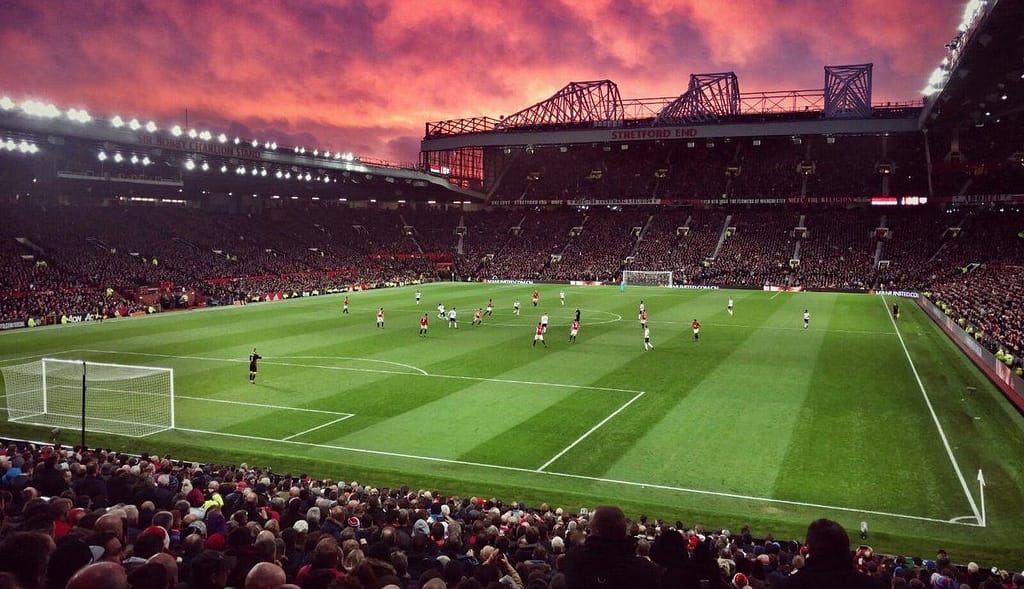
Manchester United’s Old Trafford is the country’s largest club stadium, steeped in decades of footballing history and home to some of the most dramatic moments in Premier League memory. On derby days or European nights, the “Red Army” brings Old Trafford to life with deafening roars.
However, the atmosphere here is often debated—while the sheer volume of fans can provide an intimidating cauldron, critics sometimes point to quieter stretches or tourists “diluting” the old-school energy. Initiatives such as the dedicated singing section and organized flags have tried to revive the ground’s legendary aura.
Tottenham Hotspur Stadium: Modern Acoustics and Vibrancy
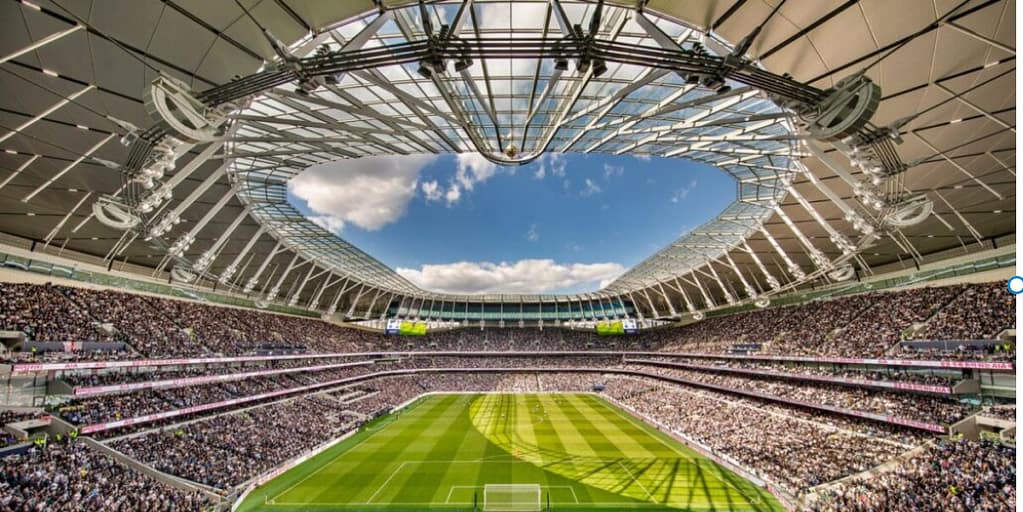
Opened in 2019, Tottenham Hotspur Stadium is lauded for its forward-thinking design, which intentionally amplifies crowd noise. The South Stand, holding over 17,000 fans, is modeled after Borussia Dortmund’s famous “Yellow Wall” and has become a focal point for passionate displays.
While Tottenham’s supporter culture is still growing into its massive new home, the stadium’s acoustics and the club’s recent success suggest it’s fast becoming one of the most atmospheric venues in England.
Goodison Park: A Traditional Cauldron
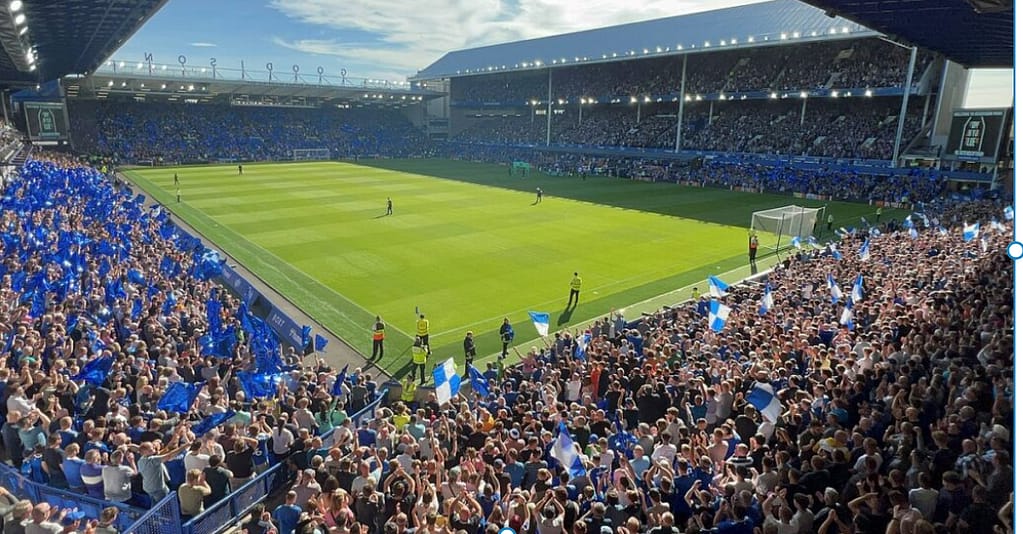
As one of the oldest football grounds in the country, Goodison Park delivers a throwback experience. Everton fans, known for their wit and vocal resilience, create a raucous atmosphere when the team is battling for Premier League survival or during the famous Merseyside Derby against Liverpool.
Many lament the incoming move to a new stadium because Goodison’s tight stands and history embody the traditional English football feel, where cheers and groans seem to ripple straight onto the pitch. No survey of the Premier League’s best atmospheres would be complete without Goodison Park.
Other Notable Contenders
Several other grounds deserve mention. Leeds United’s Elland Road, renowned for its grit and collective spirit, can become a pressure cooker, particularly during high-stakes games against rivals. Aston Villa’s Villa Park and West Ham’s London Stadium similarly have moments where the crowd’s energy lifts the team.
The Evolution of Premier League Atmosphere
It’s important to note how Premier League atmospheres have evolved. In the past, standing terraces, lower ticket prices, and clear local identities fueled raucous scenes. Today, a more international audience, all-seater stadium regulations, and commercialization have led to mixed verdicts about the league’s atmospheres.
However, the trend toward fan-organized tifos, singing sections, and clubs fostering supporter culture shows a renewed focus on keeping the pulse of the game alive.
What the Players and Managers Say
There’s no better endorsement than those who experience it from the pitch. Liverpool’s players have repeatedly spoken about the “force field” of Anfield, and even world-class stars concede to feeling shivers when walking out to “You’ll Never Walk Alone.” Newcastle players cite the “buzz” in St. James’ Park as an extra motivator, and managers praise Palace’s fans for “sucking the ball into the net.”
As football keeps evolving, these impressions remain vital for sustaining Premier League atmospheres among the best in Europe.
Conclusion:
Is There a Single Winner?
So, is there a clear “best” atmosphere in the Premier League? The answer largely depends on one’s perspective and, often, allegiances. Anfield’s European nights set the global benchmark for emotion. Selhurst Park punches well above its weight in raw energy. St. James’ Park epitomizes regional pride and collective noise. Meanwhile, traditional grounds like Goodison Park and modern cathedrals like Tottenham Hotspur Stadium chart the old and the new.
Ultimately, the Premier League’s magic lies in its rich patchwork of stadiums, each with unique histories and supporter cultures. It is this variety — and the burning passion of English fans — that ensures the pulse of the game beats strong week in and week out.