


A high-profile legal action involving Kansas City Chiefs wide receiver Rashee Rice has sent shockwaves through the NFL world, igniting fresh debates about player conduct, accountability, and the intersection of professional athletics with off-field behavior. Recently, a civil lawsuit was filed alleging multiple assaults by Rice against his ex-girlfriend — legal claims that have now become public and are drawing scrutiny from fans, league officials, and media alike.
While the case is still in its early stages, understanding the broader context — both legal and cultural — is essential for anyone interested in the NFL and how off-field issues increasingly shape team narratives and player legacies. The ripple effects of such headlines can extend beyond locker rooms and press conferences, influencing everything from team branding to betting markets — areas often analyzed in industry discussions and independent evaluations such as this BetAnything review.
What the Lawsuit Alleges
According to court filings, Rice is accused of multiple instances of physical and verbal assault during his relationship with a former girlfriend. The lawsuit outlines claims of behavior that allegedly occurred over a period of time and culminated in acts the plaintiff describes as both threatening and harmful. Civil lawsuits do not require the same burden of proof as criminal prosecutions, but they can carry significant financial and reputational consequences.
Civil suits differ from criminal charges in that they seek monetary damages or legal remedies for the complainant, rather than punishment by the state. However, the attention on Rice’s case has been amplified precisely because it involves a prominent NFL figure at a time when public expectations for player conduct off the field are higher than ever.

Rice’s NFL Profile
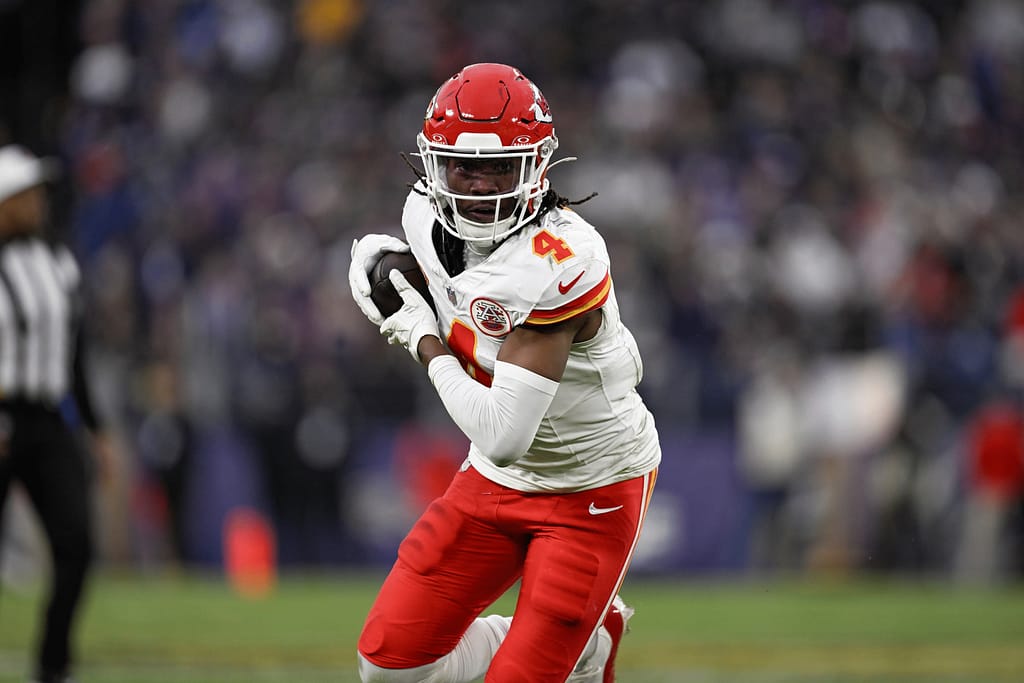
Rashee Rice burst onto the league scene after being selected by the Kansas City Chiefs in the second round of the 2023 NFL Draft. As a dynamic and athletic wide receiver, Rice quickly became a key offensive weapon in Chiefs quarterback Patrick Mahomes’ aerial assault — helping to cement Kansas City’s status as one of the league’s most explosive offenses. In the 2024 season alone, Rice posted over 1,200 receiving yards and regularly made highlight-reel plays that energized both fans and pundits, with performance breakdowns and trend analyses frequently highlighted by analysts at StatfoxSports.
His performance on the field culminated in a pivotal role in Super Bowl LVIII, where Rice scored a crucial touchdown and contributed significant yardage as the Chiefs captured their second consecutive world championship — a historic achievement in the modern NFL.
But now, those on-field accomplishments are being weighed alongside serious allegations that extend far beyond sports statistics.
Why This Matters Beyond a Single Player
The NFL has long grappled with balancing spectacle and character. From domestic violence policies to hazing controversies, how the league handles player conduct has shaped public perception and policy decisions. The Rice lawsuit arrives amid a broader cultural reckoning in professional sports about how off-field behavior intersects with team values and brand image.
Unlike criminal proceedings, civil litigation is rooted in the notion of resolving disputes between private parties. Yet high-profile civil suits involving athletes inevitably evolve into public discourse on media outlets and fan forums alike, blurring the line between private legal matters and public reputation management.
For the Chiefs organization, this lawsuit arrives at a delicate moment. The team, one of the NFL’s flagship franchises, is defined not only by its recent on-field success but also by how it navigates the evolving expectations around player conduct. As analysts and fans monitor developments, many are drawing parallels to previous NFL cases involving civil claims and how they influenced disciplinary action, contract negotiations, and leadership conversations within teams.
Legal Experts Weigh In
Legal analysts have emphasized that civil allegations, even without criminal charges, can lead to serious consequences for players and teams. Civil cases can result in:
- Monetary settlements or judgments
- Public disclosure of personal details
- Damage to reputation and endorsements
- Impact on contract negotiations and future earning potential
Attorney insights suggest that many civil cases settle before reaching trial, particularly when they involve sensitive personal allegations and high-profile individuals. However, the process — from discovery to potential settlement or judgment — can stretch over months or even years, extending the period of public attention. Civil defense strategies may involve both legal arguments and narrative framing, especially in contexts where reputational impact is significant.
NFL Policy and Potential Outcomes
As it stands, the NFL has various conduct policies that give the league office discretion to discipline players independent of criminal findings. While the current lawsuit does not equate to criminal charges, the league’s personal conduct policy has historically allowed for fines, suspensions, or other discipline based on conduct that reflects poorly on the league’s image or integrity.
In Rice’s situation, decisions about sanctions — if any — could involve careful coordination with the NFL Players Association (NFLPA) and detailed review of contractual language. Rice’s status under the Chiefs’ roster and long-term contract considerations may add complexity to how the team and league approach discipline or public communication.
Public Reaction and Fan Discourse
Fan communities across social platforms are already buzzing, with debates ranging from calls for accountability to discussions about due process and the role of civil litigation in professional sports. Many fan forums have seen detailed discussions, and betting communities such as those on theRX.com are tracking shifts in sentiment and potential team value impacts based on public perception. These discussions mirror broader societal questions about how athletes’ personal conduct should influence fan support and commercial partnerships.
Public discourse around legal claims involving athletes often evolves beyond simple right/wrong binaries, touching on sensitive subjects such as privacy, accountability, and institutional response. The Rice case highlights how professional athletes have become cultural figures whose actions — on and off the field — generate response from multiple audiences.
What’s Next
As the lawsuit unfolds, key developments to watch include:
- Whether the case advances or settles
- Any NFL or Chiefs organizational response or discipline
- Impact on Rice’s role and future with Kansas City
In the meantime, the Chiefs’ offense continues to be one of the most exciting in the league, anchored by Mahomes, tight ends like Travis Kelce, and receiving threats around the field. But off-field narratives can and do influence team dynamics and fan engagement, making this lawsuit a story that extends beyond the legal arena and into the broader cultural conversation.