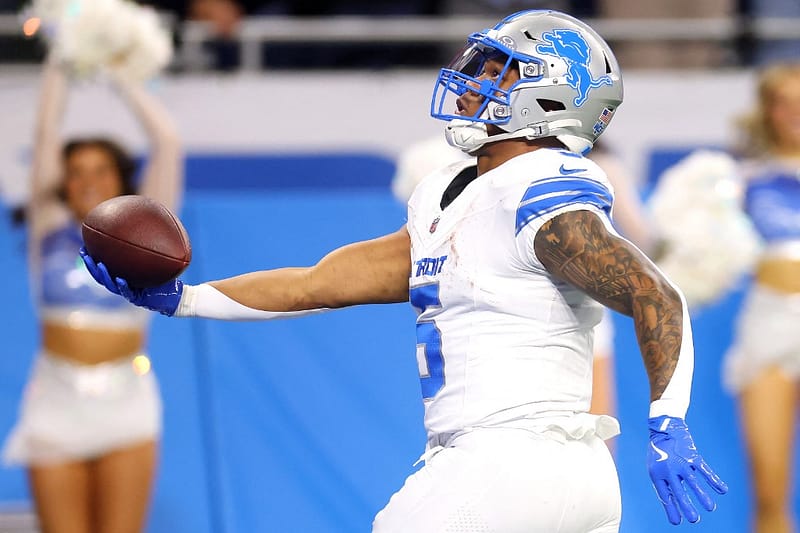

The Detroit Lions entered the 2026 offseason in unfamiliar territory—not as a rebuilding team, but as a legitimate contender with expectations.
After a 12–5 finish in 2025 and a deep playoff push that ended in the NFC Championship Game, the question facing general manager Brad Holmes and head coach Dan Campbell wasn’t whether the roster was good enough.
It was whether it was sustainable.
What followed has been one of the most intriguing offseasons in the league—one that feels less like a reset and more like a calculated reshaping of a contender’s core identity.
Key Departures Signal Strategic Change
At first glance, Detroit’s offseason looked like a step backward.
Several key contributors from the 2025 run either departed in free agency or were allowed to walk, including depth pieces across both the offensive and defensive lines. Rather than matching rising market prices, the Lions chose discipline.
This wasn’t hesitation. It was intention.
Detroit has made it clear: they are not chasing past success—they are preparing for future sustainability.
That approach mirrors a broader trend across the league, where teams are prioritizing long-term roster balance over short-term splash moves, similar to the shift seen in the smart roster building strategies across the NFL.
Strategic Additions Focus On Fit, Not Fame
While Detroit avoided headline-grabbing contracts, they were far from inactive.
Instead, they targeted players who fit their system—particularly in the trenches and secondary.
| Player | Position | Contract | Role |
|---|---|---|---|
| Kevin Zeitler | G | 2 years, $14M | Veteran interior stability |
| Carlton Davis III | CB | 3 years, $42M | Physical coverage upgrade |
| Marcus Davenport | EDGE | 1 year, $9M | High-upside pass rush depth |
| Amik Robertson | CB | 2 years, $9.25M | Versatile secondary piece |
These moves reflect a consistent philosophy: add pieces that enhance what already works.
Carlton Davis, in particular, gives Detroit a more physical identity on the perimeter—something that was exposed late in the postseason.
Building Around Jared Goff’s Stability
One of the most important aspects of Detroit’s approach is what they didn’t do.
They didn’t overcomplicate the quarterback situation.
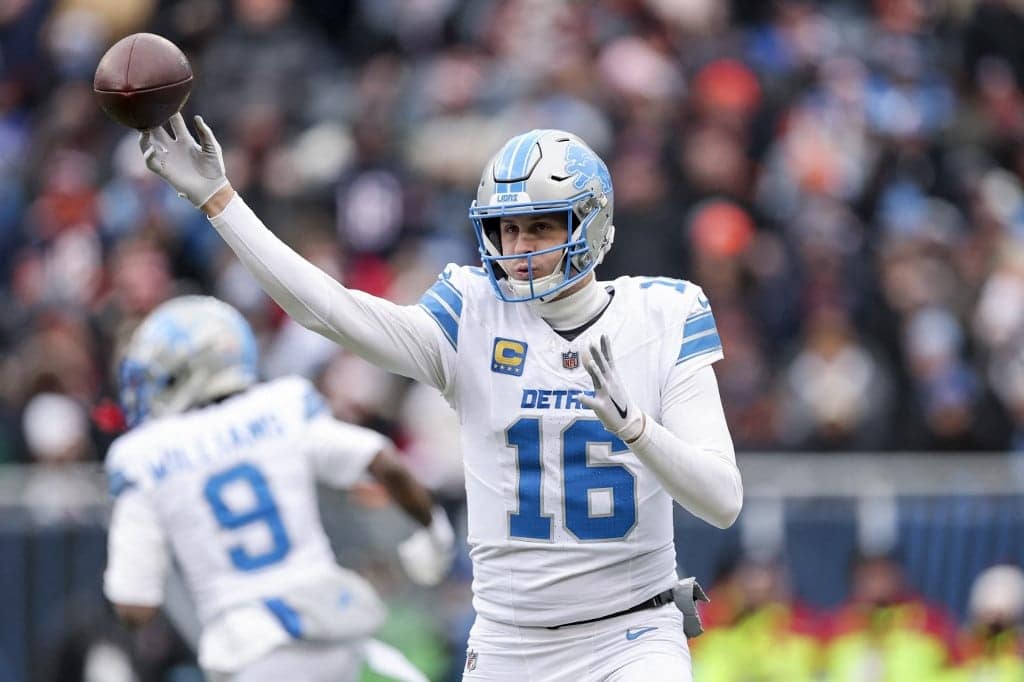
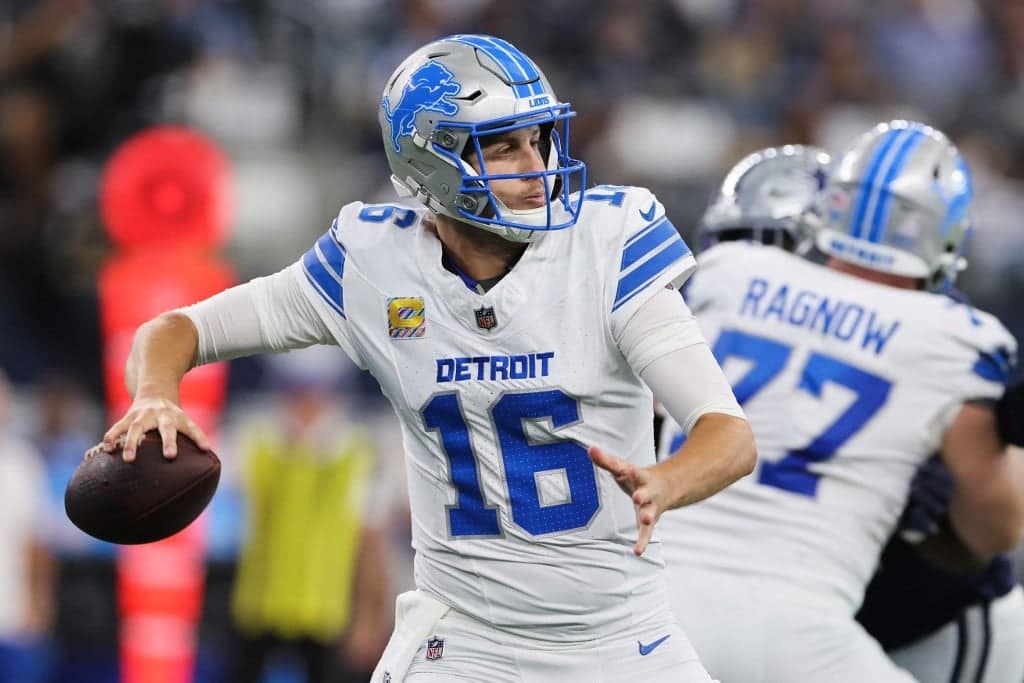
Jared Goff remains the centerpiece, coming off a season with over 4,400 passing yards and 30 touchdowns in 2025. Rather than chasing upgrades, the Lions are reinforcing the environment around him.
That includes:
- Strengthening interior offensive line protection
- Maintaining continuity in the receiving corps
- Preserving offensive system stability
This is a franchise that understands its strengths—and is choosing to double down on them.
Defensive Adjustments Could Define The Ceiling
If there’s one area where Detroit is clearly evolving, it’s defense.
Despite their success, the Lions struggled at times with consistency in coverage and pass rush depth. This offseason has been about correcting that.
The additions of Davenport and Davis signal a commitment to:
- More physical coverage schemes
- Increased pressure flexibility
- Rotational depth along the defensive front
According to NFL team offseason reports, Detroit’s defensive upgrades have been among the most targeted in the league—not the biggest, but among the most intentional.
This is where their playoff ceiling will ultimately be determined.
Reloading, Not Rebuilding
The simplest way to understand Detroit’s offseason is this: they are reloading, not rebuilding.
Rebuilding teams chase potential. Reloading teams protect identity.
Detroit is doing the latter.
They are maintaining:
- Offensive continuity
- Locker room chemistry
- Coaching philosophy
While subtly upgrading areas that limited them in January.
That’s the difference between a team trying to become good—and one trying to stay great.
The NFC Window Is Still Wide Open
The Lions’ timing also matters.
The NFC remains competitive but volatile. Teams like San Francisco, Dallas, and Philadelphia continue to evolve, but none have created clear separation.
That gives Detroit an opportunity.
If their defensive adjustments hold and their offensive efficiency remains intact, they are positioned to remain firmly in the conversation among the teams most likely to control the NFC playoff race.
The Real Test Comes In January
Free agency grades don’t matter in April.
They matter in January.
The Lions didn’t win the offseason on paper—but that may have been the point.
They avoided overextension. They preserved flexibility. And they reinforced the structure that brought them within reach of the Super Bowl.
Now comes the harder part: proving that discipline can outperform hype.
Because in today’s NFL, the teams that resist the urge to overreact are often the ones still standing when it matters most.