
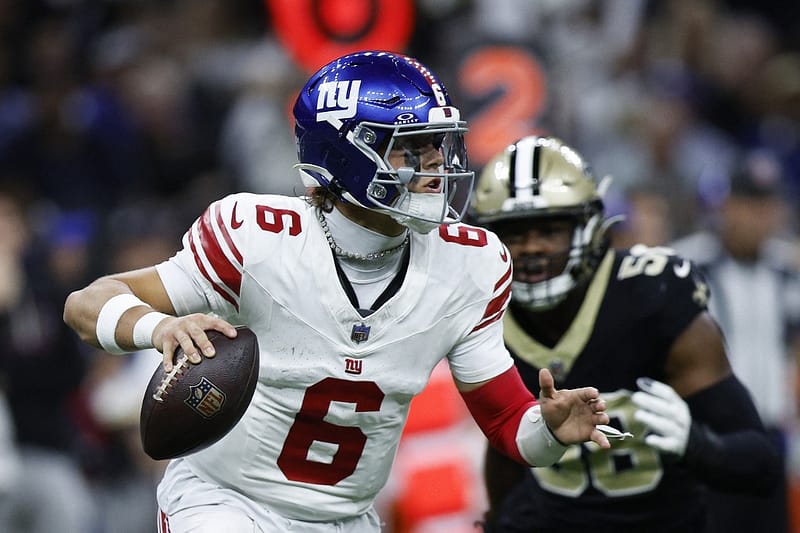

The New York Giants entered the 2026 offseason at a crossroads that felt uncomfortably familiar to a fanbase exhausted by “rebuilding” cycles. After a 2025 campaign that saw the offense stagnate and the defense struggle to find a consistent identity, the organization made the seismic decision to pivot toward a new coaching staff. This era, spearheaded by a philosophy of aggressive roster-building and analytical precision, was supposed to be the definitive “turnaround.”
However, in the NFL, patience is a luxury rarely afforded to historic franchises in major markets. As the 2026 season approaches, the pressure on the Giants’ leadership has intensified with startling speed. It isn’t just about winning games anymore; it is about proving that the fundamental architecture of the franchise is sound. The arrival of high-profile coordinators and a shift in the front office’s draft-day aggression has set a high bar that the team must now clear to avoid another identity crisis.
The urgency stems from a league that has become increasingly unforgiving toward slow starts. With the NFC East looking more competitive than it has in years, the Giants are no longer competing against their own history; they are competing against a modern NFL that demands immediate results from new leadership.
The Weight of the 2026 Coaching Mandate
The current coaching staff was brought in with a singular mandate: modernize the Giants’ output. For years, the team hovered between an outdated physical identity and an inconsistent aerial attack. The new regime has prioritized “positionless” defensive schemes and an offensive playbook that mirrors the high-volume passing attacks seen in the AFC powerhouses. But implementing such a drastic shift requires more than just a new playbook; it requires a total cultural buy-in from a locker room that has seen three different “visions” in the last five years.
Early reports from OTAs and minicamp suggest a higher tempo, but the margin for error remains razor-thin. If the Giants do not show significant improvement in the first six weeks of the 2026 schedule, the narrative will shift from “growth” to “instability.” The pressure is especially high on the offensive side of the ball, where the investment in young talent must finally yield a top-15 scoring unit.
Strategic Roster Moves and Financial Stakes
The 2026 roster reflects a desperate attempt to bridge the gap between youth and veteran reliability. The front office was active in free agency, targeting specific defensive interior pieces and versatile offensive linemen. However, these moves have come at a significant salary cap cost, leaving the Giants with limited flexibility if the current core underperforms. The strategy is clear: win while the rookie-contract window is open for their key skill players.
| Roster Component | 2025 Status | 2026 Strategy | Expected Impact |
| Offensive Line | Ranked 28th | Veteran FA Signings | Improved Pocket Integrity |
| Secondary | High Turnover | Youth/Speed Focus | Reduction in Big Plays |
| Quarterback Room | Inconsistent | Competitive Depth | Stabilized Decision Making |
| Pass Rush | Top-Heavy | Rotational Depth | Sustained Pressure Rates |
This calculated risk in the 2026 market shows that the Giants are betting on their coaching staff’s ability to maximize talent that other teams might have overlooked. According to recent NFL roster analysis and reporting, the success of the Giants’ season will depend heavily on whether these mid-tier veteran additions can outperform their previous career benchmarks under the new scheme.
The Draft Capital Conundrum and Long-Term Rebuild
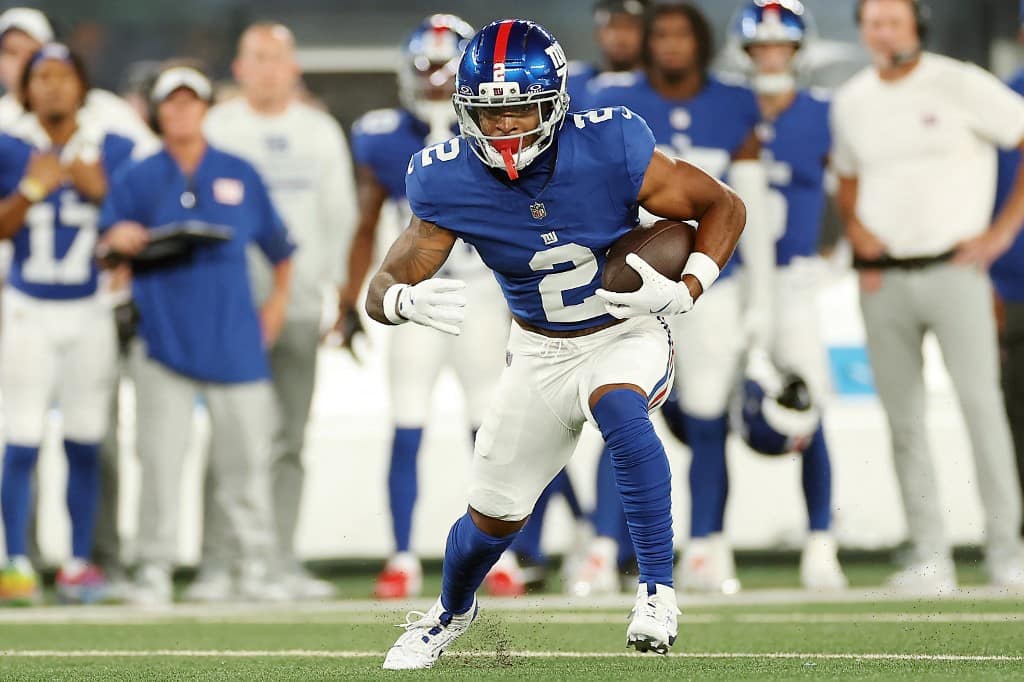
One of the most debated aspects of the Giants’ current trajectory is their management of draft capital. During the 2026 draft cycle, the team leaned heavily into a Giants draft trade-down strategy to accumulate more “bites at the apple” in the middle rounds. While this volume-over-star-power approach is designed to build a sustainable foundation, it leaves the team without a clear, “blue-chip” face of the franchise from the most recent class.
The coaching staff is now under pressure to prove they can develop these mid-round picks into high-impact starters. If these rookies fail to contribute immediately, critics will point to the missed opportunities to grab elite talent at the top of the draft. In a city like New York, the “long-term rebuild” explanation rarely survives a three-game losing streak.
Defensive Identity in a High-Scoring Era
Defensively, the Giants are attempting to pivot away from the bend-but-don’t-break philosophy that characterized their previous seasons. The 2026 scheme is built around disguise and secondary pressure, a move necessitated by the elite quarterback play within the division. The pressure is on the defensive coordinator to turn a group of high-energy but relatively unproven players into a cohesive unit that can generate turnovers.
The data from the previous season was clear: the Giants could not get off the field on third-and-long. The new era’s success hinges on fixing this specific metric. If the defense cannot protect leads late in the fourth quarter, no amount of offensive modernization will matter. The fan base is looking for a unit that plays with the “Big Blue” grit of the past but with the tactical sophistication of the future.
Analyzing the Franchise Power Balance
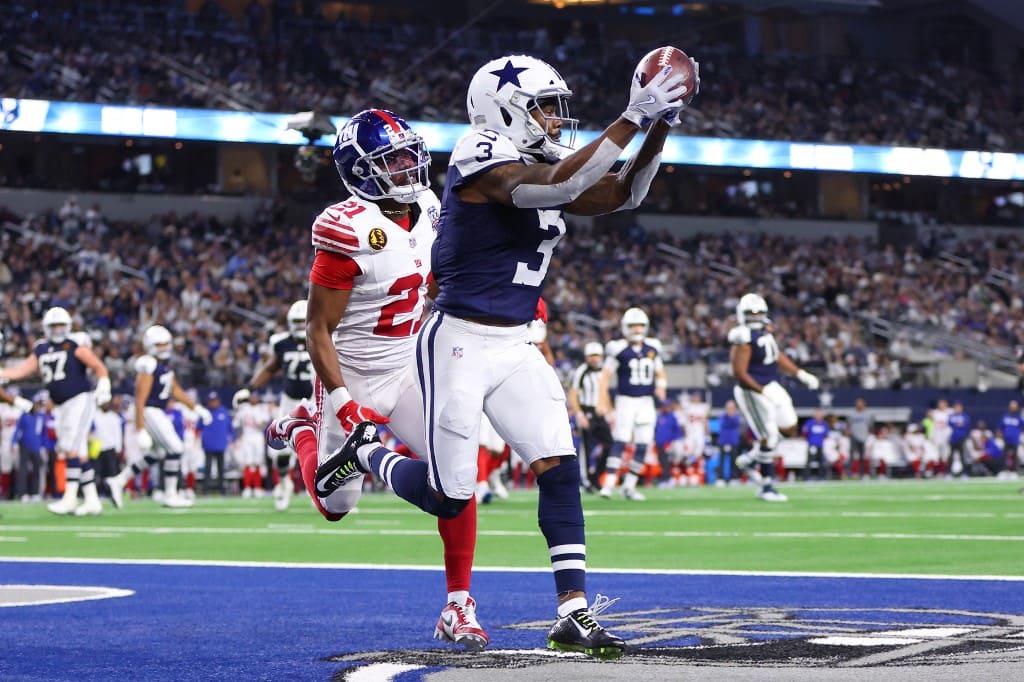
The Giants are not just fighting for a winning record; they are fighting for relevance in a league where the power balance has shifted toward aggressive, offensive-minded franchises. The “turnaround” in 2026 is as much about the franchise’s brand as it is about the standings. For the Giants to truly be back, they must prove that MetLife Stadium can once again be a place where visiting teams expect to struggle.
The pressure on the coaching staff is a reflection of the organization’s desire to stop being a “potential” contender and start being a perennial playoff threat. This requires a level of consistency that has eluded the team for nearly a decade. Every coaching decision, from fourth-down aggressiveness to practice intensity, is being scrutinized through this lens of high-stakes transformation.
The Road Ahead: Why 2026 Is the Deciding Year
As the 2026 season progresses, the Giants will have to answer the most difficult question in sports: can you actually buy—or coach—a culture change? The talent is arguably better than it was two years ago, and the coaching pedigree is superior on paper. Yet, the ghost of previous failures still haunts the facility. The “turnaround” will only be confirmed when the team wins the games they are expected to win and steals one or two they aren’t.
If the new era falters early, the calls for yet another reset will grow louder. The Giants’ leadership knows this. The 2026 season isn’t just another year on the calendar; it is the ultimate test of whether the New York Giants have finally found a path out of the wilderness or if they are simply wandering in a new direction.