
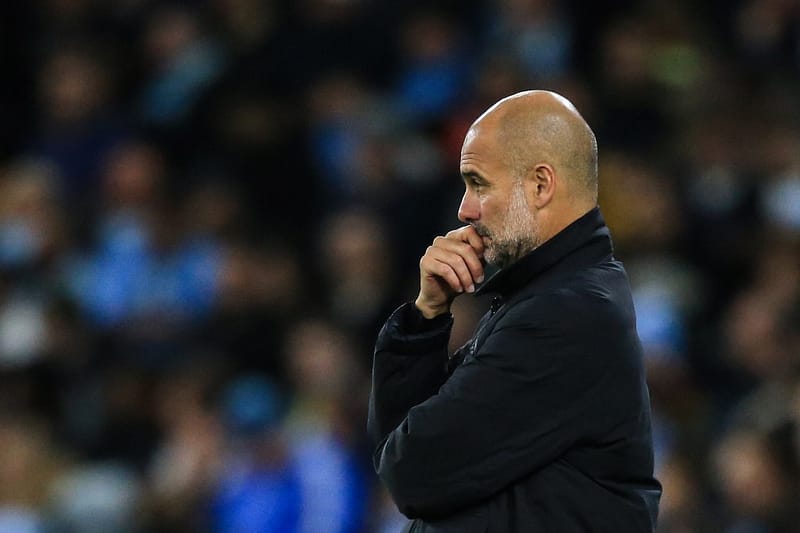

Italy’s World Cup crisis is no longer a shock.
That may be the most alarming part.
After failing to qualify for the 2018 World Cup, missing the 2022 World Cup, and then falling short again before the 2026 tournament, the Azzurri have moved from embarrassment into something deeper: a national-team identity emergency.
This is not just about one bad playoff, one missed penalty shootout, or one poor generation. Italy’s problem is tactical, cultural, and structural. A country that once defined how international football could be controlled, defended, and emotionally managed now looks unsure of how it wants to play when the pressure is highest.
That is why the debate around Pep Guardiola matters.
Guardiola Is Not The Solution, But He Is The Mirror
The idea of Guardiola managing Italy has divided opinion because it strikes directly at the heart of the national-team question.
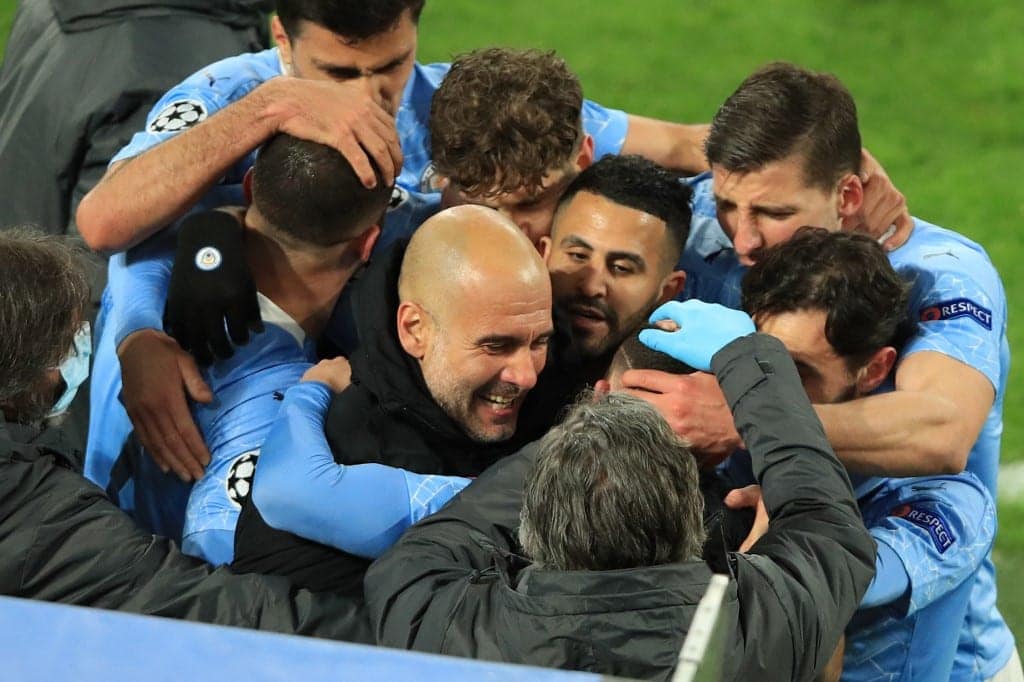
Would Italy be importing a modern tactical identity? Or admitting that its own football culture can no longer produce one strong enough for the World Cup stage?
That tension is exactly why recent Guardiola Italy coaching debate coverage has become so revealing. The discussion is not really about whether Guardiola is likely to take the job. It is about why Italy even feels tempted by a coach so closely associated with a radically different football language.
Guardiola represents control through possession, positional occupation, coordinated pressing, and constant structural manipulation. Italy historically represented control through defensive intelligence, game management, tactical patience, and psychological hardness.
The crisis is that the old version is no longer enough, and the new version has not been fully built.
The Crisis Started Before The Latest Failure
Italy’s current pain did not begin in 2026.
The warning signs were already there when the Azzurri failed to qualify for the 2018 World Cup, losing their playoff against Sweden. Then came the stunning 2022 playoff defeat to North Macedonia, a result that felt almost impossible for a nation with four World Cup titles.
In between, Italy won Euro 2020 under Roberto Mancini, beating England at Wembley in 2021. That triumph briefly suggested the reset had worked.
But it now looks more like a beautiful exception than a stable foundation.
Italy had rhythm, belief, pressing, and midfield control during that European Championship run. What it failed to do afterward was turn that model into a lasting national-team system.
The result is a contradiction: Italy can still produce elite moments, but not a dependable identity.
Italy’s Tactical Problem Is About Tempo
The modern international game punishes teams that cannot change speed.
At the World Cup level, it is no longer enough to defend well and wait for moments. The best teams now shift between pressing, counter-pressing, controlled possession, direct transitions, and wide overloads within the same match.
Italy have too often looked caught between styles.
They are not consistently aggressive enough to dominate with pressure. They are not consistently direct enough to overwhelm weaker opponents. And they are not clinical enough to rely on low-volume chance creation in playoff-style games.
That tactical hesitation becomes dangerous in qualification, where one bad night can destroy an entire cycle.
Where Italy Have Lost Their Old Edge
Italy’s historic identity was never only defensive.
It was about clarity.
Great Italian teams understood space, risk, rhythm, and suffering. They could absorb pressure without losing shape. They could slow games down when needed. They could make opponents uncomfortable without needing to dominate the ball.
The current Azzurri often look less certain.
| Era | Defining Identity | World Cup Relevance |
|---|---|---|
| 1982 Italy | Ruthless transition and tournament resilience | Champions |
| 2006 Italy | Elite defensive structure and emotional control | Champions |
| Euro 2020 Italy | Pressing, midfield rhythm, modern possession | European champions |
| Post-2022 Italy | Unclear balance between tradition and reinvention | World Cup absence |
The table shows the real issue.
Italy have not lost football intelligence. They have lost continuity between identity and execution.
The Player Pool Is Better Than The Results Suggest
This is not a country without talent.
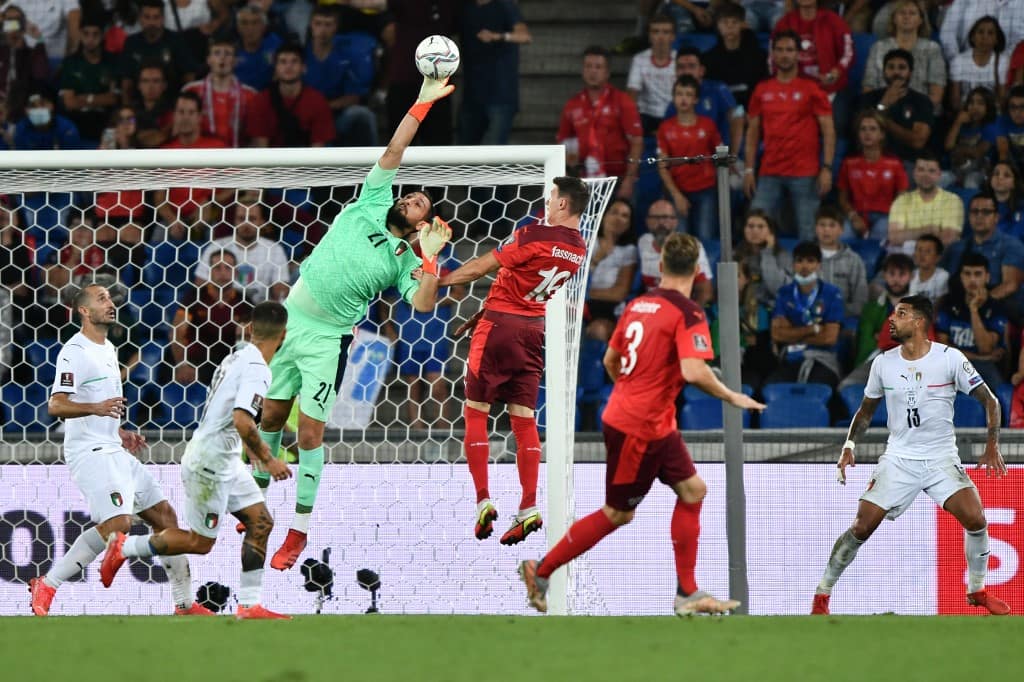
Donnarumma remains one of the most recognizable goalkeepers in world football. Alessandro Bastoni, Riccardo Calafiori, Federico Dimarco, Sandro Tonali, Nicolò Barella, Federico Chiesa, and Moise Kean all represent pieces that many national teams would gladly build around.
But elite names do not automatically create a coherent team.
Italy’s issue is how those players connect.
A national team needs more than strong individuals. It needs repeatable patterns: how the ball moves from defense into midfield, where the full-backs position themselves, how the forwards press, who attacks the box, and what happens when the first plan fails.
Too often, Italy have looked like a group of talented players searching for a collective sentence.
Why The Guardiola Debate Cuts So Deep
Guardiola’s name divides opinion because he symbolizes a different kind of football authority.
Hiring him would not simply mean hiring a famous coach. It would mean asking whether Italy’s traditional coaching ecosystem needs an outside shock.
That is uncomfortable for a country with one of the richest tactical histories in the sport.
But discomfort may be necessary.
The broader World Cup landscape has changed. Spain, France, Argentina, Germany, England, Brazil, and Portugal are all trying to merge technical development with athletic intensity and positional clarity. Even smaller nations are better organized than ever.
Italy cannot rely on history to intimidate opponents.
It must build a football model opponents can feel on the pitch.
The World Cup Has Become A Systems Test
The World Cup is emotional, but qualification is mechanical.
Teams that survive modern qualifying campaigns usually have a clear system before the pressure arrives. They know how to beat defensive blocks. They know how to manage hostile away matches. They know how to respond after conceding first.
Italy’s repeated absences suggest the system keeps breaking when it should become most reliable.
That is why this problem goes beyond the head coach.
Azzurri football needs alignment from youth development to Serie A minutes, from federation planning to tactical continuity. Without that, the next coach will simply inherit the same contradiction: big expectations without a stable foundation.
For a broader view of how global football narratives are being shaped before the next tournament, WorldFootballIdol’s look at World Cup star power shows how national teams are now judged not only by history, but by visibility, identity, and relevance.
Italy still has the history.
It needs the modern relevance back.
Tradition Cannot Be The Whole Plan
The hardest part for Italy is psychological.
The country’s football tradition is not the problem. In fact, it remains one of its greatest assets. Italian football still understands defending, spacing, coaching detail, and tournament pressure better than most.
But tradition becomes a trap when it stops evolving.
Italy do not need to become Spain, Manchester City, or Guardiola’s Barcelona. They do not need to erase catenaccio from their memory or pretend their football culture was built on endless possession.
They need a modern Italian identity.
That means blending defensive intelligence with higher tempo, braver buildup, faster attacking rotations, and more trust in young players.
The future cannot simply be nostalgia with new shirts.
The Next Coach Must Define More Than A Formation
Whether Italy turn to Guardiola, Antonio Conte, Massimiliano Allegri, Roberto Mancini, Claudio Ranieri, or another candidate, the job is bigger than picking a 4-3-3 or 3-5-2.
The next Italy coach must answer deeper questions:
- How should Italy create chances against compact opponents?
- How aggressively should the team press after losing possession?
- Which young players are trusted before they become finished products?
- What is the national-team style when the match becomes chaotic?
Those questions matter more than the name on the bench.
A famous manager can change perception. A clear identity changes results.
Italy’s Real Opponent Is Uncertainty
The Azzurri are not short of pride. They are not short of memories. They are not short of pressure.
They are short of tactical certainty.
That is what makes this World Cup crisis so painful. Italy are not simply losing matches. They are losing the thread of what made them dangerous in the first place.
Guardiola’s name may come and go. The debate may fade. Another coach may arrive. Another rebuild may be announced.
But unless Italy solve the identity problem underneath the headlines, the same question will return before every World Cup cycle:
What is Italy trying to be?
Until the answer is clear, the crisis will remain bigger than any coach.