
Referees have always played a pivotal role in football, acting as the ultimate judges on the pitch. Yet, their decisions—sometimes made in a split second—can ignite massive controversies, affect careers, alter the course of tournaments, and leave a lasting mark on the sport’s history. As technology like VAR attempts to minimize errors, the debate around refereeing decisions continues to rage among fans and pundits alike.
In this article, we dive deep into the most controversial refereeing decisions in football history, examining incidents that have sparked global debate and changed the course of the game forever.
The Hand of God — Maradona, 1986 World Cup
The Incident
Diego Maradona’s “Hand of God” goal during the 1986 FIFA World Cup quarterfinal between Argentina and England remains one of the most infamous moments in football history. Maradona leaped to meet the ball near England’s goal and punched it into the net, deceiving the referee and linesmen.
The Fallout
- No Video Review: No VAR or replay technology existed, and the goal stood.
- Enduring Debate: Argentina went on to win 2-1, eventually lifting the World Cup.
- Cultural Impact: The “Hand of God” phrase became legendary, symbolizing both genius and controversy.
Geoff Hurst’s Goal — 1966 World Cup Final
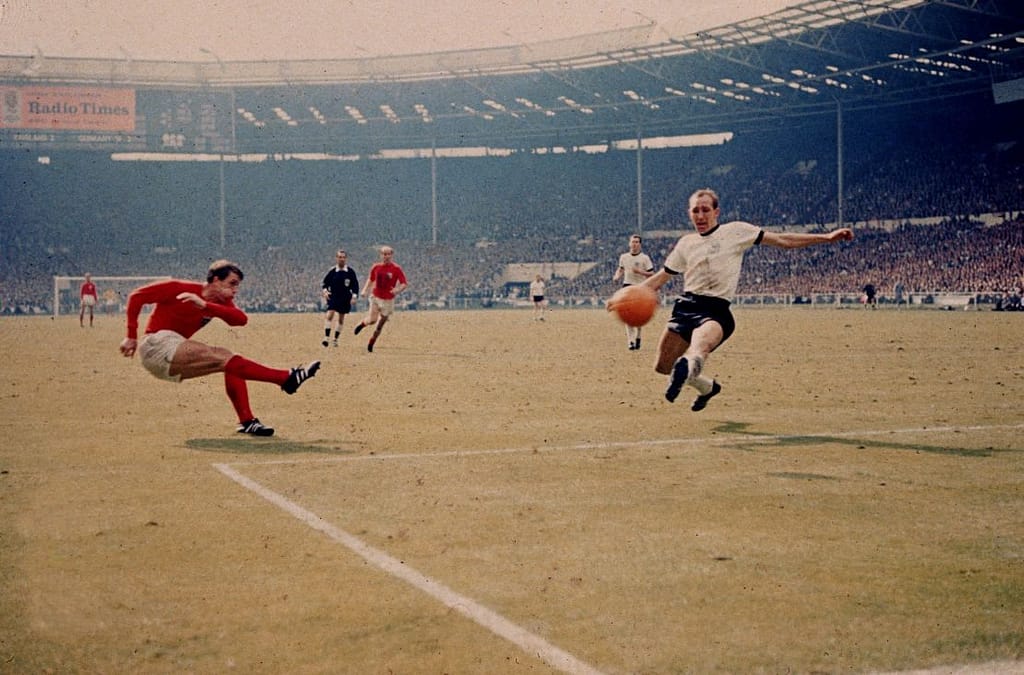
The Incident
In the 1966 World Cup final, England and West Germany were tied 2-2 in extra time when Geoff Hurst’s shot hit the crossbar and bounced down near the goal line. The referee and linesman awarded a goal to England, even as many believed the ball had not fully crossed the line.
The Fallout
- England’s Triumph: England went on to win 4-2, their only World Cup.
- Endless Debate: Decades later, technological analyses showed the ball likely didn’t cross the line.
- Birth of Goal-Line Technology: The controversy encouraged the development of technologies to assist referees.
Tom Henning Øvrebø: Chelsea vs. Barcelona 2009 (UEFA Champions League)
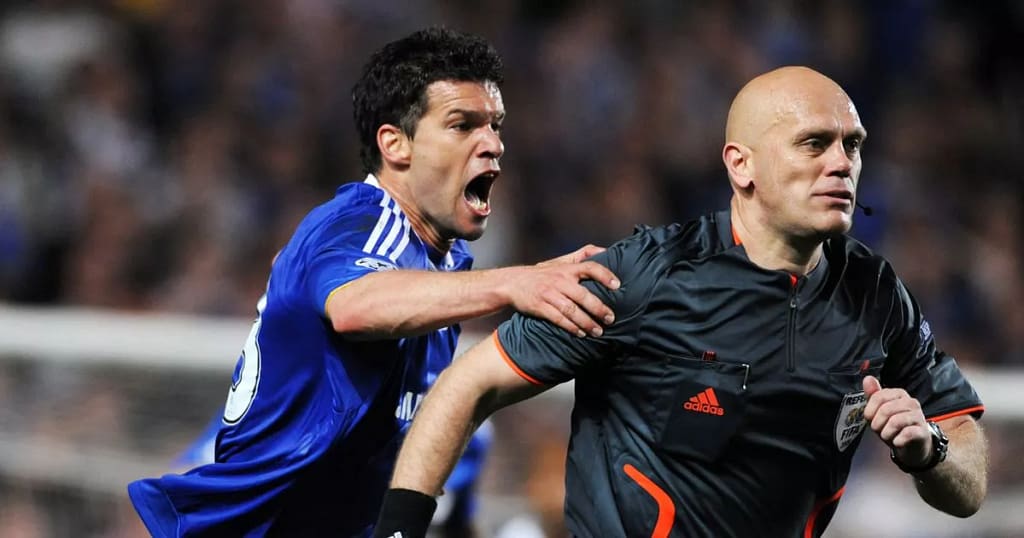
The Incident
During the Champions League semi-final between Chelsea and Barcelona, the referee Tom Henning Øvrebø denied Chelsea several clear penalty claims despite multiple handballs and fouls in Barcelona’s penalty area. Barcelona equalized late, advancing on away goals.
The Fallout
- Chelsea’s Fury: Players and fans berated the referee, with Didier Drogba’s “It’s a disgrace!” outburst caught on live TV.
- Calls for VAR: The match highlighted the need for video review at the highest level of European football.
- Lingering Resentment: Many Chelsea supporters still see this as the most egregious refereeing injustice in club history.
The 2002 World Cup: South Korea vs. Italy & Spain
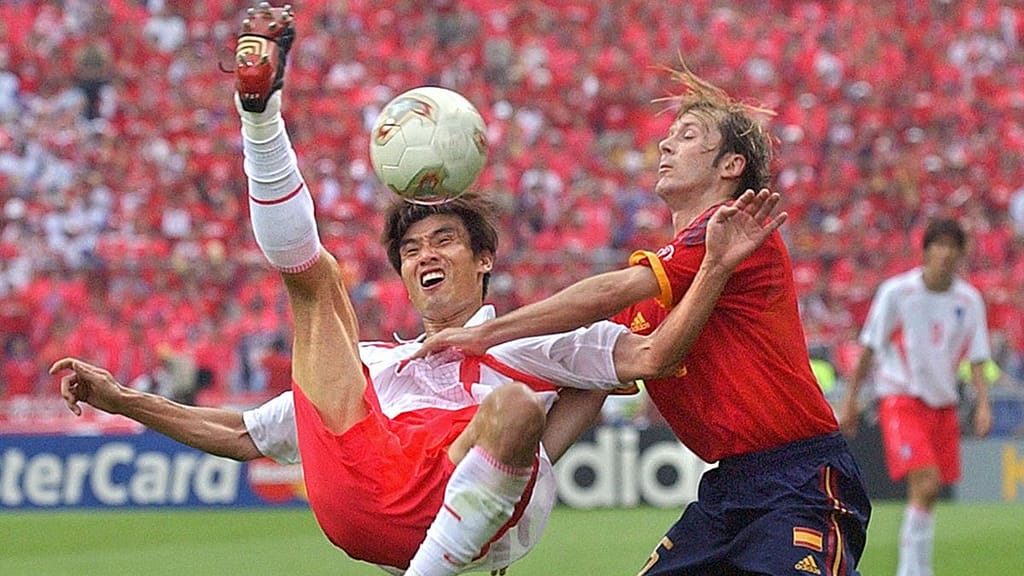
The Incidents
South Korea’s unprecedented run to the World Cup semifinals was marred by questionable refereeing against Italy and Spain.
Key Decisions
- Italy: Francesco Totti was controversially sent off for simulation. Damiano Tommasi had a golden goal ruled out for offside.
- Spain: Two Spanish goals were disallowed for dubious reasons, including phantom fouls and the ball judged out of play.
The Fallout
- Global Outcry: Both matches generated global suspicion over refereeing impartiality.
- Accusations of Favoritism: Claims lingered that referees favored the host nation.
Thierry Henry’s Handball – France vs. Ireland, 2009 World Cup Qualifier
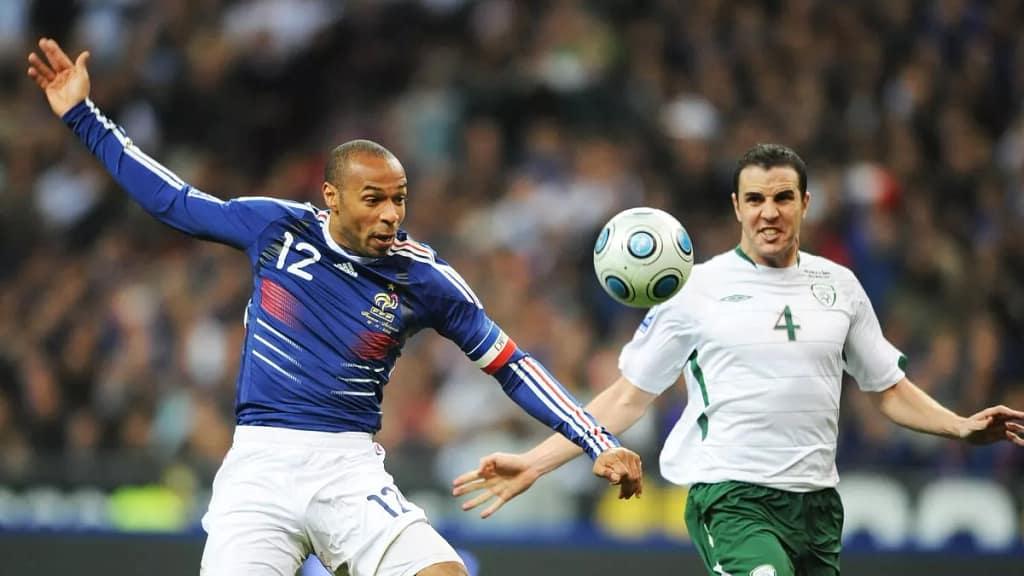
The Incident
During the 2010 World Cup playoff, French striker Thierry Henry controlled the ball with his hand before assisting William Gallas’ decisive goal against Ireland. Neither the referee nor his assistants saw the handball.
The Fallout
- Irish Anguish: Ireland was eliminated, sparking a national outcry and calls for a replay.
- Henry’s Admission: Henry admitted to handling the ball but said it was instinctive.
- VAR Advocacy: The incident intensified lobbying for video assistance in the game.
Frank Lampard’s Ghost Goal — 2010 World Cup
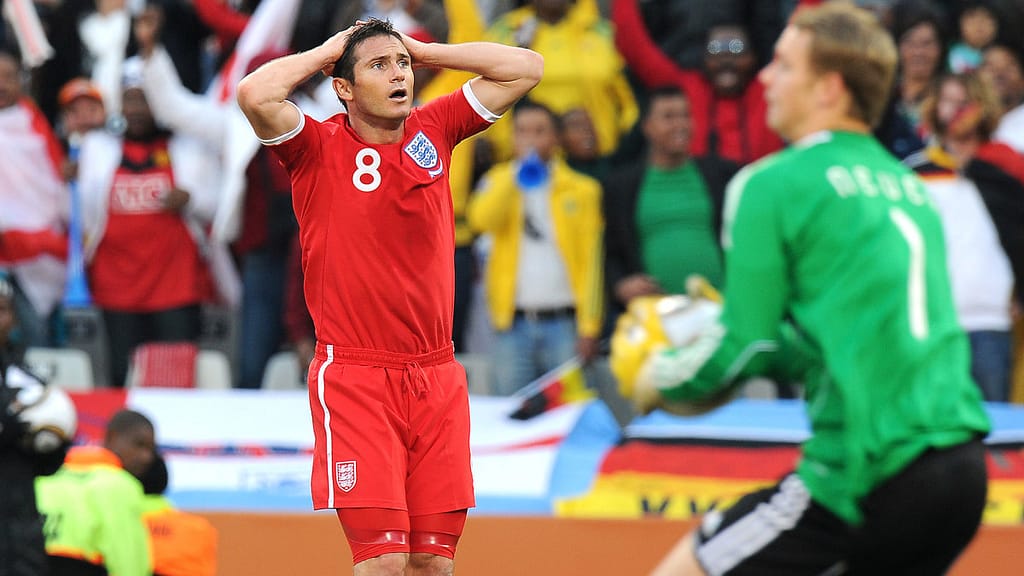
The Incident
England’s Frank Lampard fired a shot against Germany which hit the crossbar and bounced clearly over the line, but the goal was not given for England.
The Fallout
- England’s Elimination: The Three Lions were knocked out amid fury.
- FIFA Response: Seismic push for goal-line technology, which was introduced in the following years.
Other Noteworthy Controversies
The 2017 Champions League Final: Real Madrid vs. Juventus
- Controversial Penalties: Several decisions—including a soft penalty for Real Madrid—fueled debate among fans and experts.
South Africa 2010: Suárez “Hand of God” II
- Quarterfinal vs. Ghana: Luís Suárez’s last-minute handball kept out a Ghana goal in extra time. He was sent off, but Ghana missed the penalty, and Uruguay triumphed on penalties.
- Debate: Was the use of a professional foul justified? Was justice served?
Portugal vs. Mexico, 1986 World Cup
- Phantom Goal: Portugal scored when the ball entered via the side-netting. The referee awarded a goal, exposing the limitations of officiating at the time.
The Role of VAR and Goal-Line Technology
Introduction and Impact
Football’s governing bodies responded to decades of controversy with the introduction of goal-line technology and, later, the Video Assistant Referee (VAR) system.
Key Benefits
- Reduced Human Error: Clear-cut decisions now benefit from technological precision.
- Debate Persists: Despite improvements, VAR itself has triggered new controversies—the subjective nature of certain rules means disputes remain part of the game.
Criticisms of VAR
- Time Consumption: Lengthy reviews disrupt game flow.
- Interpretation: Offside calls by millimeters and subjective handball decisions still provoke heated arguments.
Why Refereeing Controversy is Ingrained in Football
Human Element
- Split-Second Decisions: Football’s speed means referees make high-pressure judgments in real time.
- Rule Complexity: Interpretations of rules change and evolve, often amid global scrutiny.
Emotional Investment
- Fans’ Passion: The stakes are high, especially at World Cups or major finals, amplifying every perceived mistake.
- Media Amplification: Social media and news outlets rapidly spread footage and opinions, stirring debate.
Conclusion: A Game of Opinions
Controversial refereeing decisions are woven into the fabric of football. For every technological advancement, there are new shades of gray and fresh debates. While the introduction of VAR and goal-line technology has addressed some injustices, human interpretation will always keep some element of controversy alive.
But perhaps that’s part of football’s enduring magic. Each controversy sparks discussion, passion, and—ultimately—a love for a game where anything can happen. As long as football exists, debates around the world’s most controversial refereeing decisions will continue to unite and divide fans in equal measure.