

NCAA eligibility rules have become one of the central roster-management issues in Division I football during the 2026 season. The change is not only a compliance matter. It affects scholarship timing, depth-chart stability, transfer evaluation, redshirt planning, and how coaches assess older players whose status may depend on transition provisions or legal outcomes.
The basic policy shift is clear. On June 23, 2026, the NCAA Division I Cabinet adopted an age-based eligibility model that allows student-athletes up to five seasons of competition if they enroll full time in college no later than the academic year after their 19th birthday, with transition rules for athletes entering in fall 2026 or holding eligibility after spring 2026 through the NCAA eligibility model. The harder part for football programs is applying that framework during a season that still includes athletes evaluated under more than one eligibility path.
Why NCAA eligibility rules Hit Football Rosters In 2026
NCAA eligibility rules And The Five-Season Frame
The age-based model changes the starting point for eligibility evaluation. Under the NCAA’s announced framework, the eligibility clock can begin at first full-time college enrollment or at the beginning of the academic year after the athlete’s 19th birthday, depending on which comes earlier. That matters for football because roster construction is built years in advance. High school recruiting, junior-college movement, transfer-portal decisions, and developmental redshirt plans all depend on knowing how many competitive seasons a player can reasonably provide.
For football staffs, NCAA eligibility rules now require a cleaner age-and-enrollment audit. A prospect’s physical maturity may still be attractive, but the compliance question is whether that maturity came with delayed enrollment or prior college history that reduces the available window. That calculation is especially relevant for linemen, quarterbacks, and developmental defenders, where programs often prefer a multi-year runway before a player becomes a weekly contributor.
Transition-Year Pressure Points
The 2026-27 transition period is the most demanding part of the rollout. Athletes enrolling full time in fall 2026, and athletes with eligibility remaining after spring 2026, can be evaluated under either the old four-seasons-in-five-years structure or the new age-based model, whichever is more favorable to the athlete. That is a fairer bridge for individual players, but it creates more work for football operations departments.
One team may have a sixth-year candidate whose best path is tied to the older system, a younger transfer whose status improves under the new model, and an incoming recruit whose eligibility will be judged differently from a future 2027 signee. The result is not a single rule change applied neatly across the roster. It is a player-by-player review that touches scholarship accounting, practice participation, travel rosters, and postseason eligibility checks.
2026 Eligibility Timeline For Football Programs
Old Rules, New Model, And The 2027 Cutoff
The timing is central. Waivers under the previous framework for cases affected during or before the 2025-26 academic year had a July 31, 2026 submission deadline. After that point, the old waiver route closed for those cases. For 2026-27 prospects, delayed-enrollment waiver requests can still be relevant if filed within the required post-certification window noted in the research record, but those cases require close institutional handling.
Starting in fall 2027, incoming student-athletes must use the age-based model only. That future cutoff matters now because coaches are already balancing 2026 contributors against 2027 scholarship slots. In football, where a roster can include many position-specific development tracks, even one extra season for a veteran can affect the number of snaps available to a younger player.
| Group | Eligibility Evaluation | Football Impact |
|---|---|---|
| Players With Eligibility After Spring 2026 | Old rules or age-based model, whichever helps the athlete | More individual reviews before final roster decisions |
| Fall 2026 Full-Time Enrollees | Transition access to the more favorable model | Recruiting and transfer files need dual checks |
| Fall 2027 Incoming Athletes | Age-based model only | Future class planning becomes more standardized |
Why Football Feels The Strain More Sharply
Football carries a large roster, highly specialized positions, and a developmental curve that varies widely by role. A kicker, offensive tackle, nickel defender, and backup quarterback may all have different timelines before they become reliable starters. That makes eligibility clarity valuable. If a program misreads a player’s remaining seasons, it can create pressure at a thin position or reduce opportunities for a younger player who was expected to move into the rotation.
Legal Friction Around The Class Of 2022
Class Of 2022 Cases And Fifth-Year Access
The Class of 2022 dispute is the clearest legal challenge tied to the new rule set. Players who graduated high school in 2022 and had used four years of eligibility by spring 2026 were not automatically granted a fifth year under the NCAA’s version of the rule. The Associated Press reported that the NCAA’s five-year eligibility rule sparked lawsuits and unusual eligibility challenges through its 5-in-5 eligibility report.
For coaches, the issue is less abstract than it may sound. If an older contributor’s status remains contested, the staff has to prepare alternatives without overstating certainty. That can affect first-team practice reps, scout-team assignments, special-teams units, and travel planning. The player may be experienced enough to help immediately, but the program still needs a compliant backup plan if the eligibility decision changes.
Competitive Balance And Uneven Timing
The risk is not that every program faces the same case. The risk is uneven timing. Some schools may receive clarity earlier than others because their players’ files are simpler, their waiver histories are cleaner, or their legal posture is different. That timing gap can matter in football, where a veteran lineman or defensive back can stabilize an entire position group. The safest analytical stance is to treat disputed eligibility as provisional until the institution and governing process have resolved it.
Player Development Effects In Football
Redshirt Logic Changes
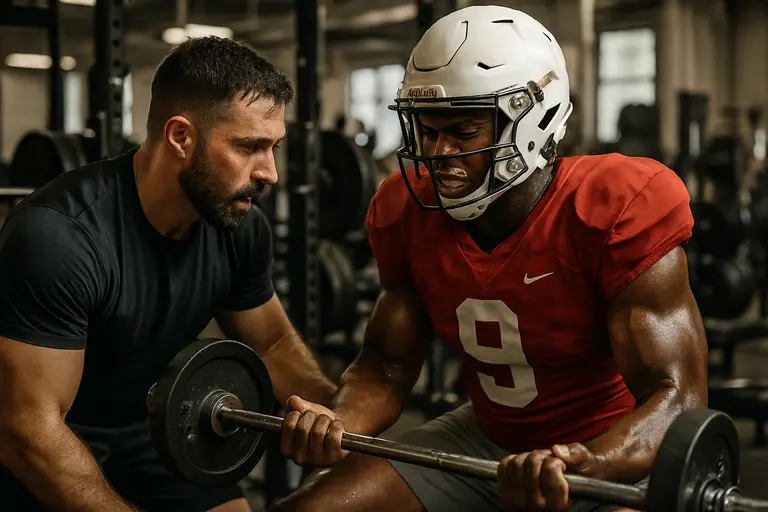
Traditional redshirt planning was built around the four-in-five framework. The age-based model does not remove the need for development years, but it changes how staffs weigh them. A player may still benefit from physical development, scheme study, and limited game exposure. The difference is that the program must compare that development value against the new clock and the athlete’s age profile.
NCAA eligibility rules may make some redshirt decisions less automatic. A program that once protected a young lineman for a fifth-year payoff now has to consider whether the player’s enrollment timing and age model create a different path. That does not mean teams should rush prospects onto the field. It means the football and compliance departments need to evaluate development plans together rather than treating eligibility as a paperwork issue after the depth chart is set.
Transfer Evaluation Becomes More File-Driven
Transfer evaluation also becomes more file-driven. Production, size, film quality, and positional need still matter, but a player’s eligibility record can alter his value. A transfer with one clearly available season may fill an immediate depth need. A transfer with a cleaner multi-year path can support both short-term competition and longer-term roster balance. If the file is uncertain, the coaching grade should reflect that risk.
That point connects across NCAA sports. Eligibility shifts are also affecting how analysts frame player pools outside football, including 2026 NCAA soccer analysis, where roster age, development time, and competition windows carry similar planning weight. For those interested in how other sports manage roster dynamics, our network encompasses Dashers Hockey.
Operational Checklist For Athletic Departments
What Compliance Staffs Need To Confirm
The best football departments will treat the transition as a shared workflow between compliance, recruiting, roster management, and coaching. That means no player should be evaluated only by film or only by eligibility status. The question is how those two evaluations interact.
- Confirm first full-time college enrollment date and age-year trigger for every returning player and transfer target.
- Identify which athletes can still use the more favorable transition option in 2026-27.
- Separate resolved fifth-year cases from contested or provisional cases before assigning key rotation roles.
- Update scholarship planning for 2027, when incoming athletes move fully to the age-based model.
- Communicate eligibility status carefully so coaches do not treat uncertain availability as settled depth.
Why The Margin For Error Is Smaller
The margin is smaller because football decisions compound quickly. A mistaken eligibility read in June can become a missed recruiting adjustment in July, a depth-chart hole in September, and a rotation problem by October. The 2026 season has already required programs to evaluate athletes through old rules, transition rules, and the new age-based model. That mix makes documentation as valuable as projection.
NCAA eligibility rules In 2026 Football
The practical test for NCAA eligibility rules is whether schools can apply the new model consistently while protecting athletes from avoidable uncertainty. The policy goal may be clearer access to five seasons of competition, but the 2026 football season has shown that transition periods are rarely simple. Programs need verified enrollment timelines, careful waiver tracking, and restrained public messaging around contested cases.
From a roster-evaluation standpoint, the biggest challenge is not identifying talented players. It is knowing which players can legally and reliably be part of the plan. Until the transition period passes and the fall 2027 age-based-only model takes full effect for incoming athletes, the programs with the best internal processes should be better positioned to avoid eligibility surprises.