
NFL hold-ins are becoming training camp’s most important contract story because they now sit directly between two older pressure points: the public holdout and the full-practice risk. Players can report to camp, stay around the team, avoid the optics and fine structure of staying away, and still limit participation while contract negotiations continue.
That is why the 2026 training-camp cycle has become a useful test case. ESPN’s August hold-in tracker focused on several high-profile names, including Atlanta Falcons running back Bijan Robinson, Detroit Lions running back Jahmyr Gibbs, Tampa Bay Buccaneers defensive tackle Vita Vea, and Los Angeles Chargers edge rusher Tuli Tuipulotu. Those players do not all occupy the same position, age bracket, leverage point, or team context, but together they show why the hold-in has become one of the NFL’s defining summer contract tactics.
The old training-camp contract story was easy to label: a player was either in camp or out of camp. The modern version is more complicated. A player can be present but unavailable. He can attend meetings but skip full-team work. He can stand on the sideline while negotiations keep moving. That changes how teams, fans, coaches, and media should read August practice reports.
Why Hold-Ins Are Replacing Traditional Holdouts
The hold-in has become more attractive because it creates pressure without complete separation. A traditional holdout removes the player from the building. A hold-in keeps him visible. That visibility matters because every practice without the player becomes a reminder of the unresolved contract.
NFL.com reported on July 31 that Jahmyr Gibbs and Bijan Robinson were spectators at training camp while playing their hands in apparent contract hold-ins as the Lions and Falcons began work. The report also noted that both running backs were seeking long-term extensions after highly productive starts to their careers through the Robinson and Gibbs hold-in report.
That distinction is important. A hold-in is not the same as disappearing from the team. The player is present enough to show professionalism and maintain relationships, but limited enough to avoid the injury risk that can damage leverage before a new deal is done.
For teams, that creates a messaging challenge. Coaches can say they are focused on the players practicing. Front offices can say negotiations continue. But the camera still finds the star player standing aside, and every missed practice period becomes part of the story.
Why Bijan Robinson Turned The Hold-In Into A Market Reset
Bijan Robinson’s situation shows why a hold-in can work quickly when a team already knows the player is central to its offense. ESPN reported that Robinson and the Falcons agreed to a three-year extension worth up to $75 million, making him the highest-paid running back in NFL history. NFL.com also reported the deal as a three-year extension worth up to $75 million, with the update coming after Robinson’s brief camp hold-in through the Robinson contract extension.
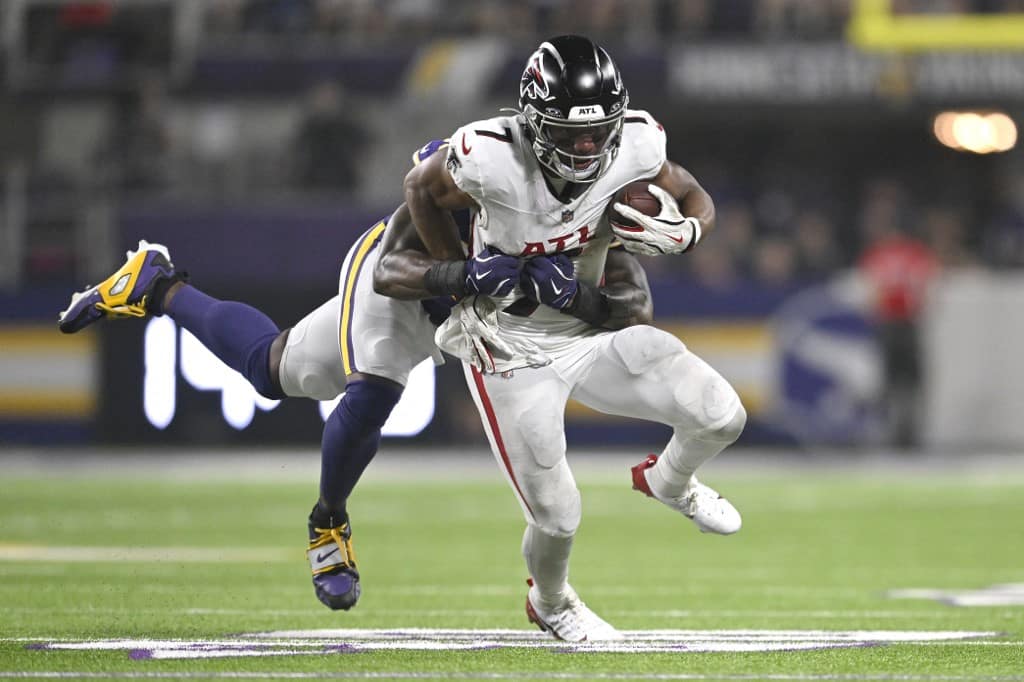
That development changed the tone of the whole running back market. Robinson’s hold-in did not drag into a preseason crisis. It became a short, visible pressure window before a record-setting deal.
For Atlanta, the decision was not only about position value. Robinson is a foundational offensive player. He affects the run game, passing game, defensive spacing, and the development environment around the quarterback. Paying him early gives the Falcons cost certainty and removes a daily camp distraction.
For the league, Robinson’s deal shows why hold-ins can be powerful. A player who is too important to risk can use limited participation as leverage. The team, in turn, has to decide whether the cost of delay is greater than the cost of the extension.
Why Jahmyr Gibbs Became The Next Running Back Test
Robinson’s extension immediately shifted attention toward Jahmyr Gibbs. ESPN reported that Lions coach Dan Campbell said Robinson’s record-setting deal was “not gonna hurt” Detroit’s negotiations with Gibbs. The same report noted that Gibbs holds the NFL record for most touchdowns scored in a player’s first three seasons, with 49, and remains one of the league’s most explosive dual-threat backs through this Gibbs contract context.
Gibbs’ hold-in is different from Robinson’s because Robinson’s new deal creates a fresh comparison point. Detroit now has to negotiate in a market that Atlanta helped reset. That does not mean Gibbs automatically receives the same structure, but it gives his side a stronger benchmark.
The Lions’ challenge is practical. Gibbs is central to their offense, but every new running back contract carries familiar arguments about positional shelf life, injury risk, and how much cap space should be tied to the position. The hold-in forces that debate into camp instead of letting it wait quietly behind closed doors.
This is why hold-ins are becoming so important. They compress market arguments into practice time. A team can delay a negotiation in March. It is much harder to ignore it when the player is standing beside the field during padded work.
Why Vita Vea Shows The Hold-In Is Not Only A Running Back Tool
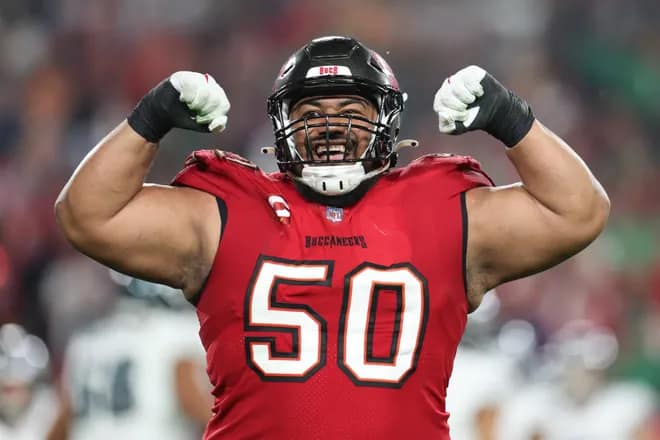
Vita Vea’s situation shows that hold-ins are not only for running backs chasing market resets. Vea is a veteran interior defensive lineman, a former first-round pick, and a central piece of Tampa Bay’s defensive identity. His contract situation is more about veteran leverage, trade pressure, and whether the Buccaneers want to commit further to a high-value defensive tackle.
Pro Football Rumors reported that one year remains on Vea’s deal and that his contract situation became a major talking point after he avoided participating in minicamp. The report also cited NFL Network’s Mike Garafolo saying Vea and the Buccaneers were not close to an extension agreement through this Vita Vea contract update.
That matters because Vea’s leverage is not the same as Robinson’s or Gibbs’. He is older, more established, and tied to a defense that has to manage both present competitiveness and future cap planning. A hold-in at his position signals that veteran trench players also see value in limiting risk while talks continue.
For Tampa Bay, the decision is more complicated than simply paying a young playmaker. Defensive tackles can be expensive, difficult to replace, and physically exposed in practice. If Vea is unhappy and not fully participating, the Buccaneers have to balance short-term defensive preparation with long-term contract discipline.
Why Tuli Tuipulotu Shows The Edge-Rusher Version Of The Trend
Tuli Tuipulotu gives the hold-in trend another shape. The Chargers edge rusher is entering the fourth year of his rookie deal after being drafted in the second round in 2023. The Chargers’ official site noted in June that Tuipulotu is eligible for a new contract entering the 2026 season, and Tuipulotu acknowledged he had thought about the situation through this Chargers contract discussion.
Recent camp reporting then described Tuipulotu as limiting participation while chasing a new deal. Bolts From The Blue reported that head coach Jim Harbaugh expected every medically cleared player to participate, but Tuipulotu was seen working off to the side without pads or a helmet as camp opened through the Tuipulotu training camp report.
That scenario fits the hold-in model perfectly. An ascending edge rusher faces major injury risk in practice. His next contract depends on availability, production, and team belief. The player wants security before taking every rep. The team wants participation before committing too far. The result is a daily camp negotiation visible to teammates, fans, and reporters.
For Los Angeles, the challenge is especially sharp because edge rushers affect defensive structure. If Tuipulotu is limited, the Chargers get extra reps for other players, but they also lose full-speed work from a player who may be central to the pass rush.
What A Hold-In Actually Changes At Practice
A hold-in changes practice because the player is present but not fully part of the daily evaluation. That affects more than one person. Coaches have to redistribute reps. Backup players get more opportunities. Position coaches adjust drills. Coordinators lose a full-speed look at certain packages. Reporters ask about the same missing participation every day.
| Hold-In Effect | Why It Matters | Who Feels It Most |
|---|---|---|
| Star Player Limits Reps | Reduces injury risk during talks | Player, agent, front office |
| Backup Gets More Work | Creates extra evaluation chances | Depth players, position coaches |
| Coaches Adjust Install | Certain packages may be delayed | Coordinators, starters |
| Daily Media Focus Grows | Contract story stays visible | Head coach, front office |
| Market Pressure Builds | Comparable deals shape negotiations | Agents, cap staff, ownership |
This is why the hold-in is stronger than it may look. It is not only a player skipping a drill. It changes the rhythm of camp.
Why Coaches Often Downplay Hold-Ins Publicly
Coaches usually try to avoid turning hold-ins into daily drama. They have to run practice, develop the rest of the roster, and avoid negotiating through press conferences. That is why many coaches use similar language: they focus on who is practicing, support the player as a person, and say contract matters are handled elsewhere.
That public stance makes sense. If a coach sounds frustrated, the story grows. If he sounds too supportive, the team may look pressured. If he says too much, he risks complicating negotiations. The safest message is usually that the team is working with the players available.
But the coaching impact is real. If Gibbs is out, Detroit’s other backs get more work. If Tuipulotu is limited, Chargers edge depth gets more snaps. If Vea is not fully active, Tampa Bay’s interior defensive line work changes. If Robinson holds in and then signs, Atlanta’s offensive plan can return to normal quickly.
The public language may be calm, but the camp plan still has to move around the missing reps.
Why Hold-Ins Are Also Injury-Risk Management
The injury-risk logic is central to the hold-in. Football practice is not harmless. Padded sessions can produce injuries that immediately change leverage. A player seeking a major extension has little incentive to absorb unnecessary contact if he believes the team already recognizes his value.
That is especially true for running backs, defensive linemen, and edge rushers. Those positions involve frequent collision, lower-body stress, pass-rush torque, and pileup risk. A player one practice injury away from losing negotiating power may decide that presence without full participation is the safest available tactic.
Teams understand the logic, but they also need football work. A player cannot prepare forever from the sideline. Conditioning, timing, communication, contact readiness, and role-specific rhythm still matter. That is why most hold-ins cannot last indefinitely without creating football consequences.
The hold-in sits in that tension. It protects leverage while slowly increasing pressure to resolve the deal.
Why The Trend Changes How Fans Should Read Camp Reports
Fans should read training-camp reports more carefully when hold-ins are involved. A player “not practicing” does not always mean injury. A player “present but limited” may be healthy but managing contract leverage. A coach saying he is focused on available players may not mean the team is unconcerned. A depth player getting extra reps may be a real opportunity, but it may also be a temporary result of a contract standoff.
This changes how fans should interpret camp buzz. If a backup running back gets more first-team work while Gibbs is holding in, that is useful information, but it does not automatically mean the depth chart has changed. If an edge rusher behind Tuipulotu flashes in extra reps, that matters, but the larger story remains unresolved until the contract situation is settled.
Hold-ins make practice reports more layered. Availability, leverage, opportunity, and actual football performance all overlap.
For publishers, that makes the topic valuable. A hold-in article can connect contract reporting, depth-chart analysis, injury-risk management, and preseason playing-time projections.
Why The Running Back Market Makes This More Visible
Running backs make the hold-in trend more visible because their market is heavily debated. Teams have spent years arguing against major second-contract spending at the position, while elite backs argue that modern offenses use them as central weapons in both the run and pass games.
Robinson’s extension gives players a new example. Gibbs’ negotiations test how quickly that example spreads. If elite dual-threat backs can use hold-ins to secure early extensions, teams may have to adjust how they handle top-tier backs before the final year of control becomes uncomfortable.
This does not mean every running back will win. The tactic depends on leverage. A replaceable player holding in may not create the same pressure. A star who drives the offense does.
That distinction is why Robinson and Gibbs matter. They are not ordinary backs asking for ordinary deals. They are high-usage offensive anchors trying to define what elite running back value looks like in 2026.
Why Defensive Hold-Ins May Become Even More Important
The Vea and Tuipulotu examples may be more predictive for the rest of the league than the running back cases. Defensive tackles and edge rushers play premium, high-contact roles. Their practice injury risk is real, their replacement cost can be high, and their value can be difficult to replicate.
For teams, that creates a hard decision. Paying early can protect the relationship and avoid camp disruption. Waiting can preserve cap flexibility but increase the chance of a prolonged hold-in. Trading can reset the roster but may weaken the defense.
For players, the hold-in offers a middle path. They can avoid the harsher optics of leaving the team entirely while making it clear that full participation carries a price. That price is either a new deal, meaningful progress, or enough assurance to return to practice.
As more players and agents see the tactic used across positions, the NFL could see hold-ins become standard for extension-eligible stars who believe they are underpaid relative to risk.
How Hold-Ins Affect Preseason Playing Time
Hold-ins can also change preseason plans. A player who misses or limits early camp work may not be ready for a normal preseason workload. Coaches may reduce his snaps even after a deal is done. That can affect timing with teammates and preparation for Week 1.
For a running back, missed full-speed work can matter in pass protection and route timing. For an edge rusher, it can affect rush rhythm and conditioning. For a defensive tackle, it can affect leverage, pad level, and live contact readiness. These are not impossible gaps, but they are real.
Teams have to decide whether the player is too important to risk in preseason once the contract is resolved. That can create a strange cycle: the player holds in to avoid injury, then signs, then still may be protected because the regular season matters more than exhibition reps.
That is another reason the hold-in has become powerful. It can reduce preseason exposure even after the negotiation ends.
Why Front Offices Must Manage More Than Money
Hold-ins are not only salary questions. Front offices have to manage locker-room precedent, cap structure, guarantees, positional value, agent relationships, injury risk, and competitive urgency. Paying one player early can help resolve a crisis, but it can also affect the next negotiation.
Robinson’s deal may help Gibbs. Gibbs’ deal, whenever it comes, may affect future running back negotiations. Tuipulotu’s contract talks may affect how other young edge rushers approach their fourth seasons. Vea’s situation may influence older defensive stars trying to secure guarantees before final contract years.
This is why hold-ins are front-office stress tests. A team’s approach tells the locker room how it treats stars, how it values risk, and how willing it is to compromise before camp disruption grows.
The best teams usually avoid letting one contract story distort the whole camp. But the best players know when they have enough leverage to make the team respond.
Why Hold-Ins Are Becoming The New August Language
The NFL’s August vocabulary is changing. Fans used to ask whether a player was holding out. Now they have to ask whether he is holding in, limited, ramping up, managing workload, awaiting a deal, or protecting himself during negotiations. Those phrases can sound similar, but they carry different meanings.
A hold-in is especially important because it keeps the player inside the team environment while preserving leverage. That makes it less confrontational than a holdout but more disruptive than ordinary veteran rest. It is a negotiation tactic built for the modern NFL calendar.
The 2026 examples show why the tactic is spreading. Robinson used a brief hold-in before a historic extension. Gibbs’ situation became more significant after Robinson reset the market. Vea’s case shows how a veteran defensive star can use limited participation in a more complicated contract and trade context. Tuipulotu’s situation shows how younger extension-eligible defenders can protect themselves before a major payday.
That is not a side story. It is one of the central stories of training camp.
Why The Hold-In Era Changes Training Camp Coverage
Hold-ins are becoming training camp’s most important contract story because they change what availability means. A player can be present and still unavailable. A team can be calm publicly and pressured privately. A position group can look deeper because backups are getting reps, while the real reason is an unresolved negotiation.
For fans, the best way to read hold-ins is through leverage. Who is the player? How central is he to the scheme? How much injury risk does his position carry? How close is he to a new deal? What comparable contracts just changed the market? How long can the team function without full participation?
For teams, the question is more immediate. Is the cost of delay greater than the cost of resolution?
That is why the hold-in has become the modern training-camp contract story. It is visible, flexible, and difficult to ignore. It lets players protect themselves without leaving the building, and it forces teams to negotiate while football work continues around the empty reps.