


In the high-pressure world of professional football, goals win games—but not all goals are created equal. From last-minute winners to coolly converted penalties, there’s an art (and science) to putting the ball in the back of the net. The greatest finishers in football history—from Ronaldo Nazário to Erling Haaland—possess not just technical mastery, but an uncanny ability to remain “ice-cold” under pressure. What makes these players so effective where others falter? Welcome to the science of scoring: the psychology behind ice-cold finishers.
What Is an “Ice-Cold Finisher”?
An “ice-cold finisher” is a player renowned for scoring goals in high-pressure situations. They consistently deliver when it matters most: in breakaways, penalty kicks, shootouts, and last-gasp opportunities. These are the players who seem unfazed by roaring crowds, high expectations, or the magnitude of the occasion.
Why Mental Toughness Matters for Goal Scoring
The Pressure Cooker Environment
Football places incredible mental demands on strikers:
- Game outcome may rest on a single chance
- Defenders try to intimidate and distract
- Thousands (or millions) of eyes are watching
Ice-cold finishers thrive under this pressure, where others might “freeze” or panic.
Decision-Making Under Stress
Finishing a chance is not just about technique. It’s about making the RIGHT decision—fast—in changing scenarios. The scientific term for this is perceptual-cognitive skill. Elite finishers possess:
- Rapid information processing
- The ability to disregard distractions
- A “quiet eye”—moments of focused gaze before acting
Key Psychological Traits of Elite Finishers
1. Confidence, Not Arrogance
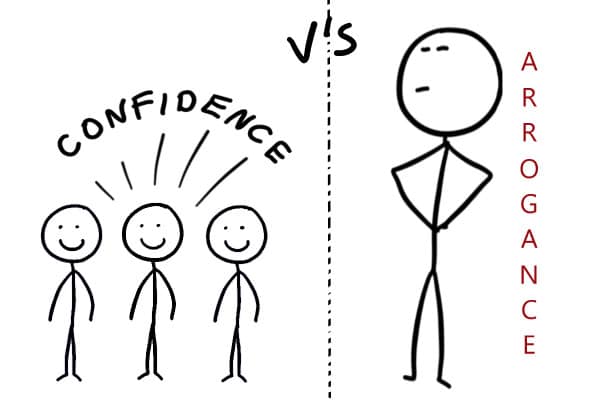
Self-belief is essential. Research shows that confident players:
- Are more likely to attempt difficult shots
- Recover quickly from missed chances
- Rarely hesitate in front of goal
2. Composure Under Pressure

Staying calm in chaos is the calling card of an ice-cold finisher. Top strikers practice:
- Slowing down their breathing (controlled respiration)
- “Chunking”—breaking down the task into smaller processes
- Visualization of success before a chance even arises
3. Emotional Regulation

Football’s great finishers know how to:
- Block out crowd noise or jeers
- Channel anxiety into focus and action
- Maintain emotionless “poker faces” before key moments
The Role of Visualization and Mental Rehearsal
Rehearsing Goals in the Mind
Sports psychologists employ mental imagery exercises to help players “see” themselves scoring. Research shows that mental rehearsal:
- Activates similar neural pathways as physical practice
- Improves actual scoring percentages in clinical settings
Technique Used by Pros:
Cristiano Ronaldo has spoken about picturing his shot’s trajectory before taking penalties.
The “Quiet Eye” Technique
Before striking, many elite finishers use a longer, final gaze on the target—this is called the quiet eye. Studies in sports psychology show:
- A longer quiet eye duration correlates with greater accuracy
- The quiet eye helps filter out noise and pressure
How Stars Like Messi, Kane, and Haaland Stay Ice-Cold
Case Study: Lionel Messi

Messi is legendary for his calmness under pressure. Watch him before penalties or one-on-ones:
- He focuses intently, controlling his breathing and gaze
- Maintains consistent rituals before each kick
- Breaks down big moments into familiar routine
Case Study: Harry Kane

Kane’s penalty routine involves:
- Deep breaths
- Visualizing the exact spot he’ll strike
- Ignoring the goalkeeper’s antics
His success rate from the spot is among the best in the Premier League.
Case Study: Erling Haaland

Haaland speaks openly about staying “in the now.” His approach:
- Focus only on what he can control
- Use short, powerful cues (“finish,” “inside foot”)
- Let go quickly of missed chances
Training the Mind: Psychological Drills for Finishers
1. Simulated Pressure Scenarios
- Practice shooting after sprints to mimic match fatigue.
- Take penalties with teammates jeering or distracting.
2. Mindfulness and Relaxation
- Incorporate meditation or breathing exercises into training.
- Use focus drills to instantly regain concentration after mistakes.
3. Pre-Shot Routines
Consistent rituals before shooting or striking the ball:
- Bounce the ball
- Three deep breaths
- Fixed gaze (quiet eye) on the far post
Overcoming the Fear of Failure
Why Some Players “Choke” in Big Moments
The fear of missing a crucial chance can paralyze even talented scorers. Sports psychologists call this catastrophic thinking.
Common Triggers:
- High-stakes matches (finals, derbies)
- History of past misses
- Overemphasis on consequences
Strategies for Resilience
- Focus on the process: Concentrate on technique, not outcome
- Stay present: Use mindfulness to stay grounded in the moment
- Positive self-talk: “I’ve scored this goal a thousand times”
The Science of Streaks and Slumps
Hot Hand or Just Confidence?
When finishers are “on fire,” they appear unstoppable. While science says the “hot hand” is partly psychological, increased confidence DOES lead to:
- Quicker, more decisive shooting
- Greater willingness to take creative risks
- A feedback loop of positive results
Bouncing Back from a Slump
Elite scorers respond to poor streaks by:
- Increasing mental training and visualization
- Not obsessing over statistics
- Relying on proven routines to regain sharpness
Key Takeaways: How to Think Like an Ice-Cold Finisher
- Stay calm in high-pressure moments
- Develop mental routines and stick to them
- Focus on the process, not the outcome
- Use visualization and controlled breathing
- Embrace the fear—then move past it
Frequently Asked Questions
Q: Can mental training really improve finishing?
Absolutely! Studies show athletes who use visualization and pre-shot routines score more consistently.
Q: Are ice-cold finishers born, or made?
Both nature and nurture play a role, but mental toughness is highly trainable.
Q: What can young players do to develop composure?
Practice under pressure, develop personal rituals, and seek support from coaches or sports psychologists.
Conclusion: The Mind is Football’s Final Frontier
In the science of scoring, technical ability is only half the equation. The world’s most “ice-cold” finishers have honed their minds to match their feet, turning pressure into opportunity and delivering when it matters most. Whether you’re a rising striker or a soccer fan, understanding the psychology behind clinical finishing will forever change how you see the art—and science—of scoring goals.