
USWNT young players moved back into focus when Emma Hayes named a 26-player roster on September 30, 2026, for the United States’ two friendlies against Spain on October 10 and October 13. Those matches have already been played as of October 28, 2026, so the useful question is not what might happen next in that window. It is what the roster design showed about Hayes’ evaluation priorities, especially after three consecutive camps with no uncapped players.
The clearest evidence came from the player pool itself. The group included five uncapped players: goalkeeper Jordan Silkowitz, defender Kate Del Fava, midfielder Evelyn Shores, and forwards Pietra Tordin and Trinity Byars. Hayes framed the camp around development, saying she wanted to prioritize the development of players in the October window, according to U.S. Soccer’s roster interview. That context matters because Spain, as reigning world champion, offered a demanding test for players who were being moved closer to senior-team standards.
Why USWNT young players Were Back In The Frame
The October roster did not represent a full youth reset. It was closer to a controlled re-opening of the senior pathway. Hayes had already used a wide player pool during her tenure, with 60 different players receiving caps and 56 of them starting a match. That pattern suggests a coach willing to use matches as assessment tools, not only as finishing points for settled starters.
USWNT young players And The Five Uncapped Names
The five uncapped names were not identical cases. Silkowitz arrived through goalkeeper performance. Shores, Tordin and Byars brought Youth National Team backgrounds and productive NWSL seasons. Del Fava, at 28, was not a youth prospect in age terms, but she still entered the senior national team environment for the first time after her Utah Royals form earned recognition and Naomi Girma’s injury opened a defensive roster spot.
That distinction is useful. “Young integration” can be too narrow if it only means teenage call-ups. Hayes’ camp mixed players at different stages of senior readiness: a 19-year-old midfielder in Lily Yohannes, younger attackers pressing through club production, and a first-time senior defender whose call-up reflected current performance rather than long-range projection.
For more insight into cross-sport player development systems, consider visiting Books on Baseball, though the focus remains on Hayes’ strategic roster choices in soccer.
The Uncapped Group And Club Form
The roster’s most persuasive feature was that the new names were tied to club evidence. Byars entered camp with 10 goals and two assists. Tordin had seven goals and nine assists. Shores had three goals and seven assists. Those numbers do not guarantee international translation, but they explain why Hayes and her staff used the Spain window to gather closer information.
Jordan Silkowitz And Goalkeeper Evidence
Silkowitz was a different case because goalkeeper evaluation depends on more than clean sheets. Still, the research set gives two concrete markers: she ranked second in the NWSL with 101 saves and had recorded seven clean sheets. For a national-team staff, that profile can justify a training-camp look because it reflects repeated match exposure, shot volume and enough team defensive outcomes to warrant comparison with established options.
Outfield Production From NWSL Form
Shores, Tordin and Byars offered a clean test of how Hayes weighs domestic production against international inexperience. Their Youth National Team backgrounds reduced some uncertainty, but senior international soccer presents different speed, spacing and physical demands. The Spain matches gave the staff a chance to see how those players absorbed information, trained around senior regulars and handled the tempo of an elite opponent.
For readers tracking the same selection arc, our related Spain-series roster read examined how those call-ups connected to starts, debuts and midfield questions from the October window.
Experience Around The New Names
The average age of the roster was 25.0, which kept the group young without stripping away experience. Mallory Heaps, at 32, and Rose Lavelle, over 30, were the only players in their 30s. Yohannes, at 19, was the only teenager. That balance matters because a camp overloaded with new players can become hard to evaluate. A camp with too few new players can delay needed succession planning.
The average number of caps per player entering the first Spain match was 37.5. That figure points to a middle group: not an old team, not a developmental camp in isolation, and not a roster made only of established tournament veterans. It gave Hayes enough experienced players to keep training standards clear while creating room for first-time call-ups.
Several returning veterans sharpened that structure. Mallory Swanson, listed with 103 caps and 38 goals, returned after last playing in October 2024. Sophia Wilson rejoined after maternity leave, with 13 goals in the current NWSL season, after giving birth in September 2025. Ashley Sanchez also returned after her last appearance in October 2024, and her club season was a major part of the case: 20 goals in 26 matches, tying the NWSL single-season goals record, plus a senior international résumé of 28 caps and three goals.
What The Spain Matches Were Built To Measure
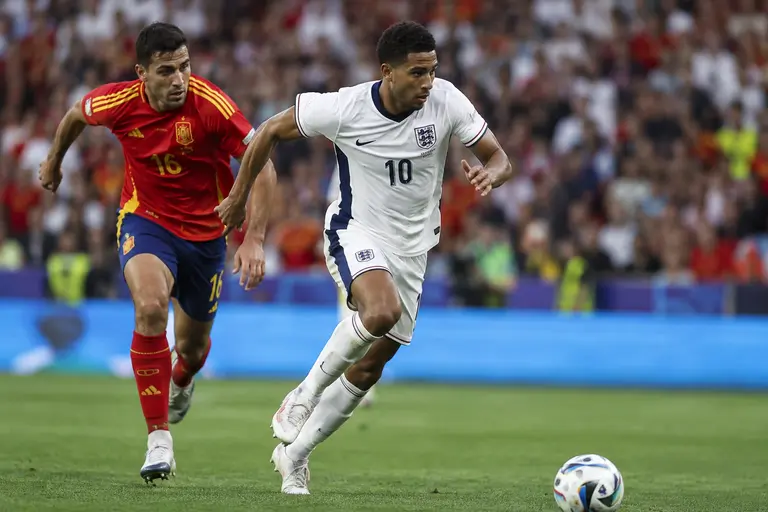
Because the research set does not provide match minutes, lineups, tactical usage or post-match comments from October 10 and October 13, the safest analysis is roster-based rather than result-based. The camp was structured to test readiness signals: how first-time players processed training, how productive NWSL attackers compared with international defenders, and how returning veterans changed the competitive standard around them.
The club distribution also mattered. Twenty players came from the NWSL, while six were based in Europe. Among the European-based players, five were listed with UEFA Champions League clubs: Lily Yohannes at Lyon, Emily Fox at Arsenal, Naomi Girma and Alyssa Thompson at Chelsea, and Sam Coffey at Manchester City. That mix gave Hayes a group shaped by different club rhythms and competitive environments.
The stronger read on USWNT young players is that Hayes did not use the October roster as an abstract projection exercise. The call-ups were connected to current production, previous youth-team exposure, positional need and the need to expand the senior pool before later tournament cycles. That is a more useful marker than age alone.
- Selection Signal: Five uncapped players were included after three camps without any uncapped names.
- Performance Signal: Byars, Tordin, Shores and Silkowitz all had measurable NWSL production cited in the research set.
- Balance Signal: The roster averaged 25.0 years old but still included experienced returners such as Swanson, Wilson and Sanchez.
- Evaluation Signal: Spain gave the staff a high-level reference point, though the available research does not support specific claims about match performance.
What Hayes’ October Roster Says About USWNT young players
Hayes’ October roster showed a practical model for integrating new talent: do not separate development from performance evidence. The new call-ups were not selected only because they were young or new. They arrived with NWSL production, goalkeeper numbers, Youth National Team experience or a club-season case strong enough to earn a closer look.
That approach is especially relevant with 2027 World Cup qualification and the 2028 Olympics in the background of the player-pool build. The research supports a cautious conclusion: Hayes used the Spain window to widen the senior pool while still protecting the competitive level of camp through experienced players and high-performing returners.
For USWNT young players, the message from October was direct but demanding. Club form opened the door, senior training standards shaped the next test, and matches against Spain supplied a tougher reference point than a lower-pressure friendly window would have offered. Without unsupported claims about who rose or fell after the games, the roster itself still shows a clear staff priority: evaluate more players now, before future tournament selection choices become narrower.