
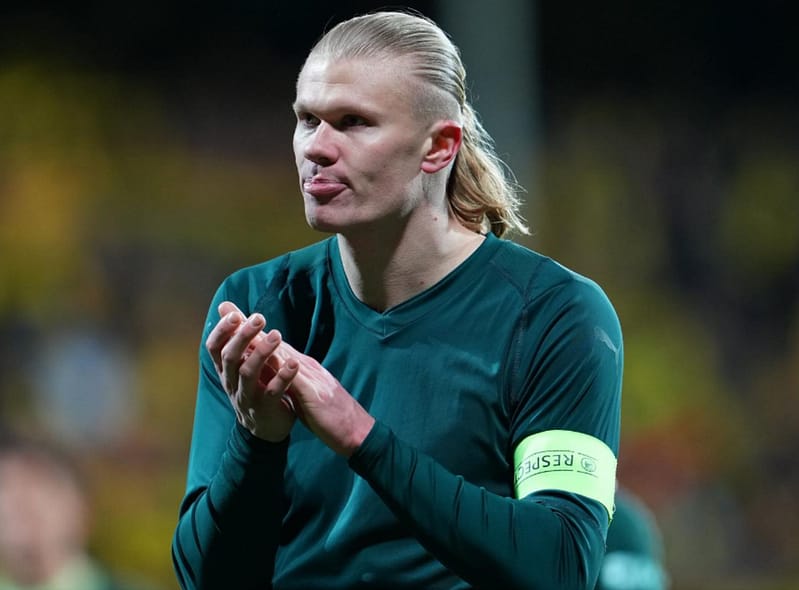

Erling Haaland is undeniably one of the most prolific strikers in modern football. At just 23, the Norwegian sensation has taken the Premier League and Europe by storm, breaking goal records and carrying Manchester City’s attack. However, as debates rage about player welfare in elite football, critics and fans alike question: Has Haaland played too much football? Let’s delve into his match workload, potential risks, and the wider implications for top athletes.
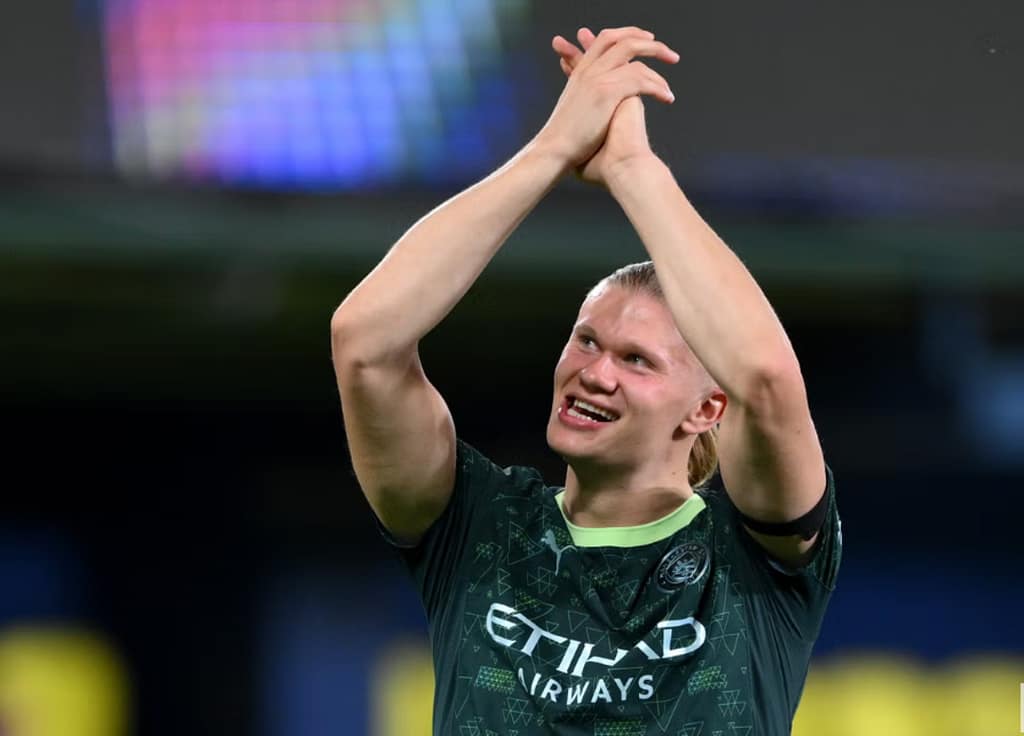
Haaland’s Game Load: Breaking Down the Numbers
According to Transfermarkt, Haaland has featured in over 50 competitive fixtures this season for club and country. This staggering number includes Premier League matches, Champions League games, domestic cups, and international fixtures with Norway.
For context, top Premier League players commonly exceed 40 matches a season. However, with compressed seasons due to the pandemic and an expanded international calendar, Haaland’s workload has reached new heights. His relentless playing schedule is part of a broader trend among elite footballers.
What Are the Risks of a Heavy Match Schedule?
Even the fittest athletes are not immune to the toll of excessive match play. High game frequency may lead to:
- Increased risk of muscle injuries and fatigue.
- Prolonged recovery times following minor knocks.
- Potential impact on long-term performance and career longevity.
FIFA data shows that crowded schedules lead to more injuries, particularly among forwards who regularly complete 90 minutes, such as Haaland.
How Has Haaland’s Performance Been Affected?

Despite the demanding calendar, Haaland’s goal tally has remained impressive. Yet, in certain phases especially during back-to-back fixtures the striker has shown signs of fatigue, with less involvement in open play and minor injury scares (such as his brief spell out last winter).
Manchester City’s manager, Pep Guardiola, has spoken about the necessity of rotating Haaland and monitoring his physical condition closely. Nevertheless, the pressure to field star players in every key match remains high, both for team success and commercial reasons.
Managing Elite Athletes: Can Clubs Do More?
The dilemma over player welfare versus team ambition is not unique to Manchester City. Top clubs are increasingly investing in sports science, load management, and innovative recovery techniques to mitigate injury risk. Still, fixture congestion remains largely out of their control, driven by league, cup, and international commitments.
Football governing bodies, including UEFA and FIFA, are facing growing calls from experts to reconsider the crowded fixture list. Leading organizations such as FIFPro have advocated for a mandatory off-season and better enforcement of rest periods for players to maintain their mental and physical health.
The Broader Conversation: Is Change on the Horizon?
The ongoing debate about excessive game loads is gaining momentum. Fans, media, and players themselves are calling for reforms. Haaland’s case is emblematic not only of his extraordinary abilities but also of the mounting pressure elite footballers face year-round.
As football continues to evolve, balancing commercial interests and player wellbeing will be vital for the sport’s long-term future. Reducing the ‘ridiculous amount of games’ isn’t just about protecting stars like Haaland it’s about safeguarding the integrity and appeal of football itself.