
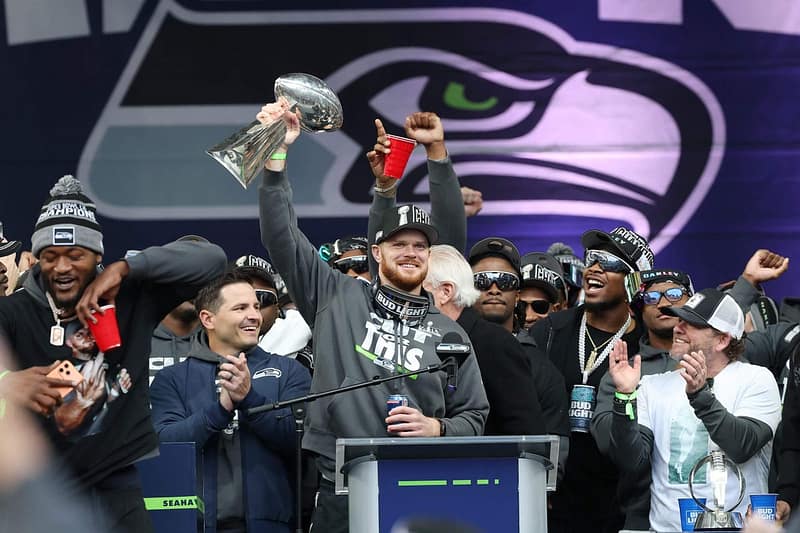

The Seattle Seahawks — one of the most recognizable brands in the National Football League — are officially on the market. In a stunning announcement that has reverberated across U.S. sports and business communities, the franchise’s ownership group confirmed it is exploring a potential sale that could be one of the most consequential transactions in American sports history. The news has set off intense speculation about the franchise’s future direction, valuation, and potential buyers that may span the globe.
While the Seahawks compete on the field under bright lights each fall, this development is taking place behind the scenes in corporate boardrooms and investment houses. The move underscores how professional sports teams have become major global assets — part business empire, part cultural institution.
From Gridiron Glory to the Auction Block
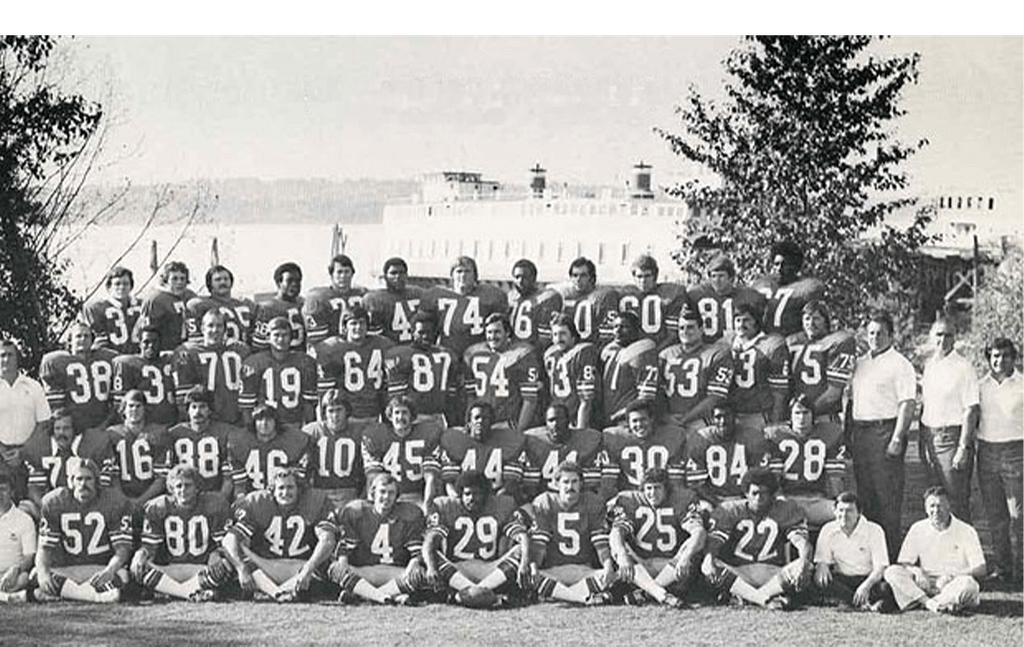
Founded in 1976, the Seattle Seahawks have enjoyed decades of growth in popularity, competitive performance, and financial strength. The franchise’s rise was amplified in the Pete Carroll era, which brought a Super Bowl championship in 2014 and a sustained run of playoff appearances.
That history of success has bolstered the Seahawks’ brand value. Revenue streams such as ticket sales, local and national media rights, merchandise, and corporate partnerships have made Seattle a profitable enterprise even in less successful seasons. Analysts at StatFox Sports note that NFL teams now operate more like diversified media companies than traditional sports clubs.
But as contracts mature and valuations soar for sports franchises, ownership groups sometimes reassess their long-term commitments. That’s precisely what the Seahawks’ current proprietors are undertaking.
What the Sale Announcement Actually Says
According to the official statement, the ownership group concluded that exploring a potential sale is in the organization’s best interests “as we look toward the Seahawks’ future and build on our long-term success.” While financial terms were not disclosed, analysts expect the franchise could fetch multiples in the billions, reflecting both current profit generation and future media rights expansion.
Sports economist Darren Heitner explained to WorldFootballIdol.com that “NFL franchises have never been more valuable. The combination of guaranteed league revenue sharing, expanding international interest, and streaming broadcast deals has transformed team ownership into an institutional asset class.” That means the buyer pool is not just limited to wealthy individuals, but could include private equity firms and multinational investors.
Why This Matters Beyond Seattle
In the global sports business landscape, the sale of a major U.S. franchise like the Seahawks could have ripple effects:
NFL Valuations Are Surging
NFL teams already rank among the most valuable sports properties worldwide. According to Forbes, valuation multiples have climbed steadily, supported by lucrative broadcast deals and consistent attendance figures.
International Interest Could Grow
European football (soccer) clubs have also been targets for diversified investment groups. The idea of a European or Middle Eastern ownership consortium acquiring an NFL team is not far-fetched, especially as the league tries to grow its international fanbase.
Media Rights Deals Underpin Long-Term Values
The NFL recently secured massive broadcast contracts with major networks and streaming platforms. These longer-term rights agreements stabilize revenue and reduce financial risk — making teams safer investment vehicles.
“Media rights are the heartbeat of professional sports finance,” notes sports business strategist Claire Dawson. “The right buyer won’t just see a football team. They’ll see strategic content with global appeal.”
Who Could Buy the Seahawks?
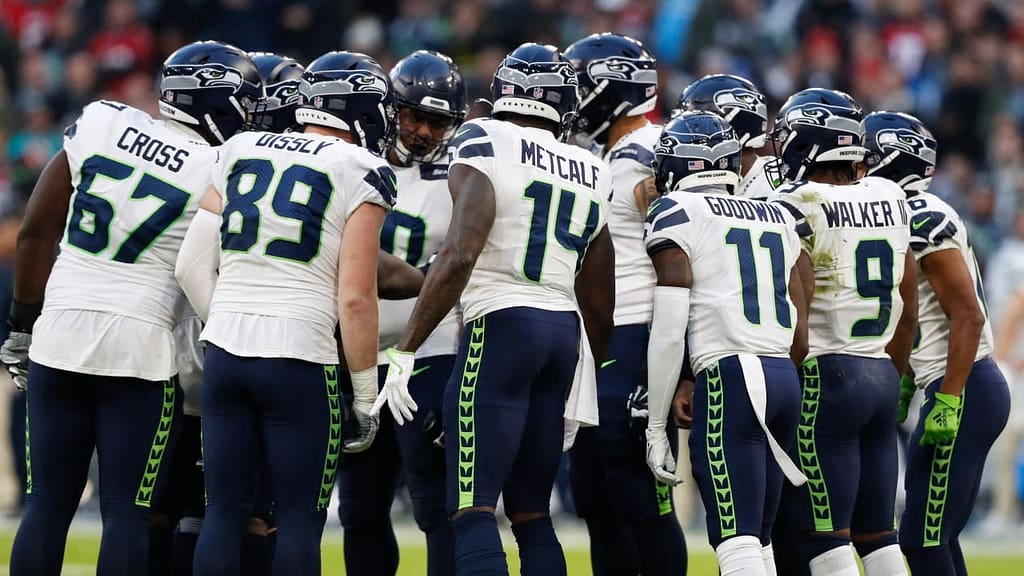
Talk of potential buyers often blends serious financial speculation with fan wish lists, but credible suitors typically fall into a few categories:
Existing Sports Owners
Owners with NFL experience, or those who already operate franchises in other leagues (NBA, MLB, European clubs), could see synergy in cross-sport holdings.
Private Equity Players
PE firms have increasingly dipped into sports ownership, attracted by predictable revenue and branding leverage. Analysts have observed that private capital’s growing role in sports franchises mirrors trends in gaming and entertainment investment portfolios.
Global Investors
We’ve seen foreign investment in top European clubs (Premier League, La Liga). An NFL team might appeal to a Middle Eastern, Asian, or North American conglomerate seeking expansion.
Regardless of who emerges, paying the NFL average franchise value — currently estimated in the $4–6 billion range — would require deep pockets and a long investment horizon.
Football’s Business Boom: More Than Just Game Day
The Seahawks’ sale comes amid a broader reshaping of how professional leagues operate financially.
- Streaming’s Role: New broadcast rights deals with streaming platforms like Amazon and Apple have injected fresh revenue.
- Brand Partnerships: Corporate sponsorships now often include multi-market global activations, not just local advertising.
- Fan Experience: Enhanced stadium experiences and digital engagement platforms have widened potential revenue beyond ticket kiosks.
These structural shifts mean that owning a team like the Seahawks isn’t just about on-field success — it’s about managing a diversified entertainment brand.
What It Means for Fans
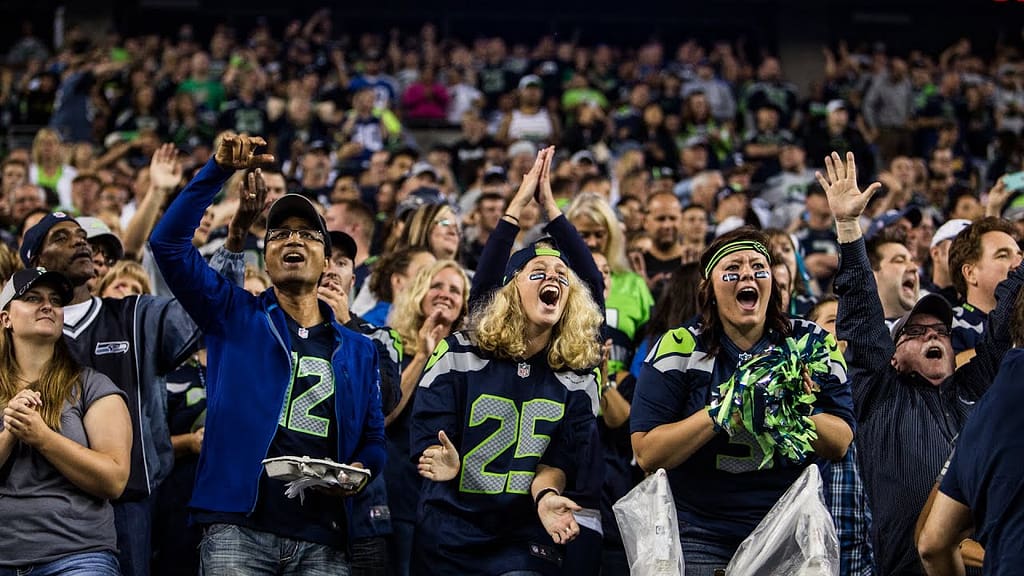
For die-hard Seahawks supporters, news of a sale can stir mixed emotions. On one hand, a new owner with deep financial resources might elevate the team’s competitiveness or invest more in facilities and digital fan experiences. On the other, history shows fans can be wary of ownership changes, especially if they follow patterns seen in other sports where new leadership shifts priorities.
Yet, league rules are clear: any sale must be approved by NFL owners, and most prospective buyers will present a long-term vision that blends financial growth with competitive ambition.
An NFL Turning Point?
Whether the eventual buyer emerges from Wall Street, a global investment group or a wealthy individual, the strategic import of this sale transcends Seattle’s city limits. It signals an era where NFL franchises are not merely teams, but premium media properties with global resonance.
The Seahawks’ potential sale will be studied by analysts, investors, fans and rival franchises alike — all looking for clues about where professional sports business is headed next.
In a world where sport, finance and entertainment are increasingly intertwined, this development might just be the first of several high-profile ownership transactions that change how American football does business — at home and abroad.