
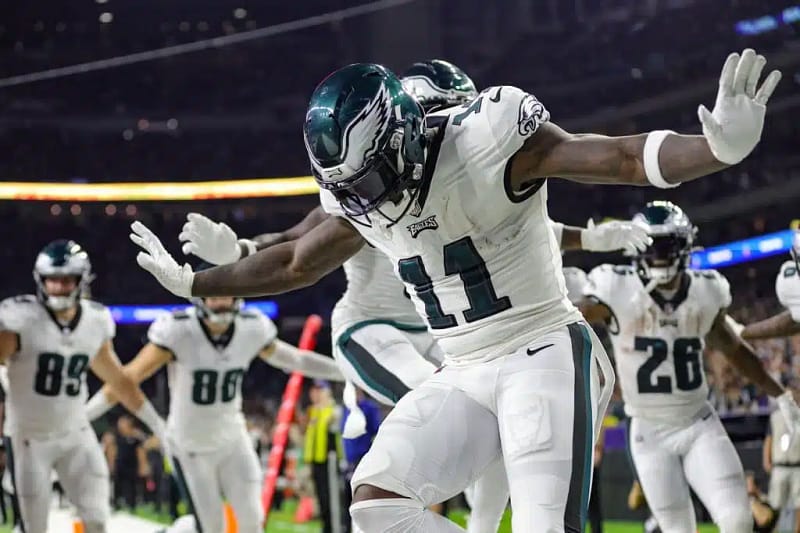

In a league where elite wide receivers are among the most valuable assets, even the slightest hint of movement can send shockwaves across the NFL. That’s exactly what’s happening with A.J. Brown, as trade rumors begin to surface around one of the Philadelphia Eagles’ most important offensive weapons.
At first glance, the idea seems unlikely. Brown is not just productive—he’s a cornerstone of the Eagles’ identity. But in today’s NFL, where salary cap pressure and roster strategy collide, even superstar players can become part of unexpected conversations.
The question is no longer whether the rumors exist. It’s whether they could actually turn into reality.
Why A.J. Brown Is So Valuable
Few receivers combine physical dominance and consistency like A.J. Brown. His ability to win contested catches, generate yards after contact, and stretch defenses makes him one of the most complete wide receivers in the league.
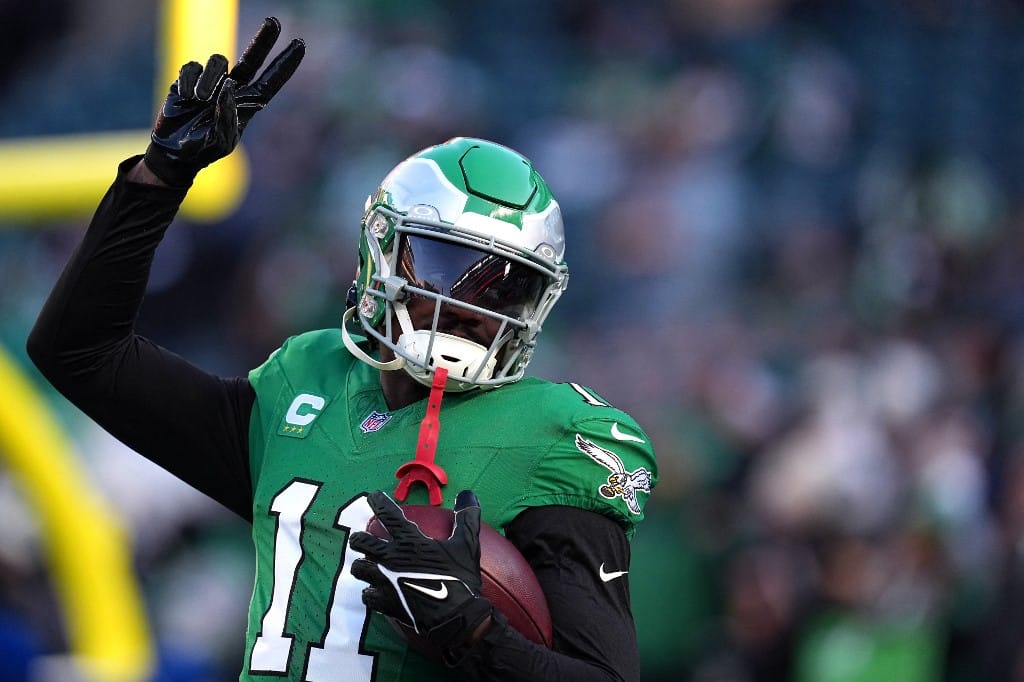
Brown’s presence transforms offensive structure. Defenses must account for him on every snap, often committing extra coverage that opens opportunities elsewhere.
| Season | Receiving Yards | Touchdowns | Yards Per Catch |
|---|---|---|---|
| 2022 | 1,496 | 11 | 17.0 |
| 2023 | 1,450+ | 7 | 16.1 |
| 2024 | 1,300+ | 8 | 15.4 |
Players with this level of production are rarely moved—not because teams don’t explore options, but because replacing them is nearly impossible.
What’s Fueling The Trade Rumors
The rumors surrounding Brown are rooted less in performance and more in financial and structural pressures.
The Eagles, like many contenders, are navigating complex salary cap decisions. Large contracts across multiple positions create difficult trade-offs.
Recent speculation suggests that Philadelphia could face significant cap challenges, forcing the front office to evaluate even its most valuable assets.
While no official move appears imminent, the fact that Brown’s name is entering discussions highlights the reality of modern roster management.
The Financial Reality Behind Superstar Moves
The NFL salary cap creates a constant balancing act. Teams must decide how to allocate resources while maintaining competitiveness.
In Brown’s case, the considerations are significant:
| Factor | Impact |
|---|---|
| Contract value | Limits flexibility in other areas |
| Dead cap implications | Makes trades complex |
| Market demand | Increases potential return value |
Trading a player like Brown would not be about talent—it would be about long-term roster construction.
This is the same strategic tension we explored in the Chiefs’ evolving defensive identity and roster balance, where teams are constantly adjusting priorities to stay competitive.
Which Teams Could Be Interested?
If Brown were to become available, interest would be immediate and widespread.
Contending teams lacking a true No. 1 receiver would likely be the most aggressive. Quarterbacks looking for reliable playmakers could benefit instantly from his skill set.
Potential fits could include:
- Teams with young quarterbacks needing elite targets
- Franchises with available cap space
- Contenders seeking a final offensive piece
The market for a player like Brown would be both competitive and expensive.
Why A Trade Still Feels Unlikely
Despite the speculation, several factors make a trade difficult.
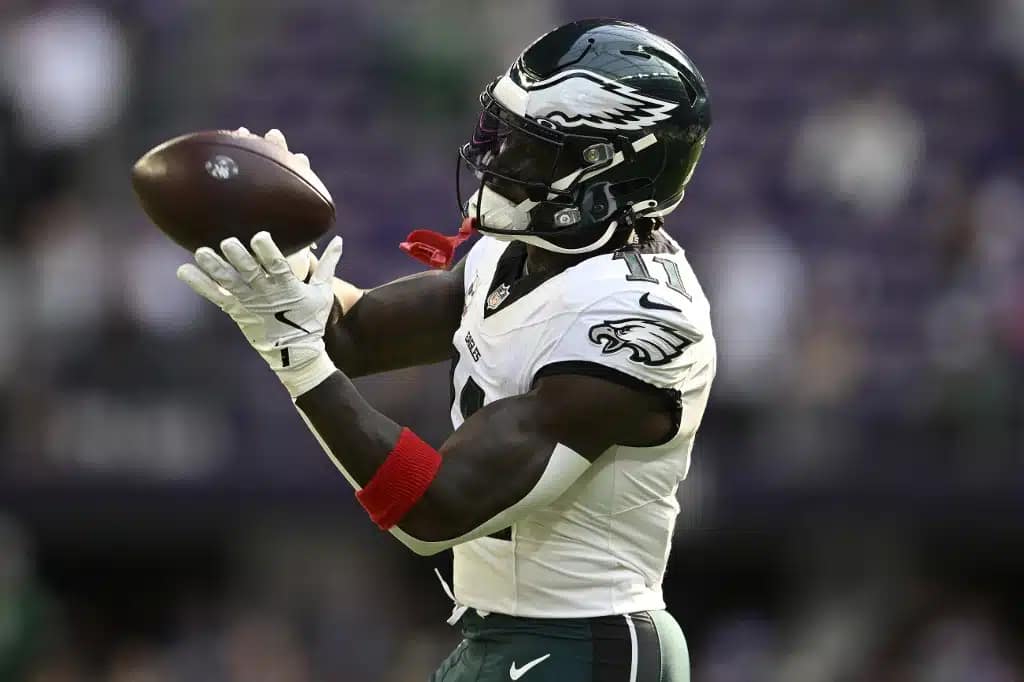
First, Brown’s importance to the Eagles’ offense cannot be overstated. He is not just a weapon—he is a central piece of the team’s identity.
Second, the cost of replacing his production would likely outweigh any return package.
Finally, championship-contending teams rarely move elite players unless absolutely necessary.
According to NFL roster and contract analysis trend, teams typically restructure contracts or adjust elsewhere before trading cornerstone players.
That reality makes a deal possible—but far from probable.
The Broader Impact Of The Rumors
Even if no trade occurs, the conversation itself has value.
Rumors like these:
- Reveal internal pressures within organizations
- Highlight the importance of salary cap strategy
- Demonstrate how quickly narratives can shift in the NFL
They also reinforce a key truth: no player is entirely untouchable in today’s league.
What This Means For The Eagles
For Philadelphia, the situation represents a moment of evaluation.
The team must decide how to balance:
- Immediate competitiveness
- Long-term financial flexibility
- Roster depth across multiple positions
Brown’s future may ultimately depend on how the Eagles prioritize those factors.
A League Where No Move Is Impossible
The NFL has entered an era where bold decisions are increasingly common. Trades once considered unthinkable now happen regularly.
While an A.J. Brown trade would be surprising, it would not be unprecedented.
| Scenario | Likelihood | Impact |
|---|---|---|
| No trade | High | Maintains offensive stability |
| Trade discussions continue | Moderate | Creates ongoing uncertainty |
| Blockbuster trade | Low | Reshapes multiple franchises |
The situation remains fluid—but the conversation itself is telling.
A Defining Test Of Modern Roster Strategy
The A.J. Brown trade rumors are not just about one player—they are about how teams operate in a complex, high-stakes environment.
Front offices must constantly evaluate value, risk, and timing.
Sometimes, the hardest decisions involve the best players.
For now, Brown remains one of the NFL’s elite receivers and a critical part of the Eagles’ offense. But in a league defined by constant change, even the most stable situations can shift quickly.
And if there’s one lesson the NFL continues to teach, it’s this:
no possibility can ever be completely ruled out.