
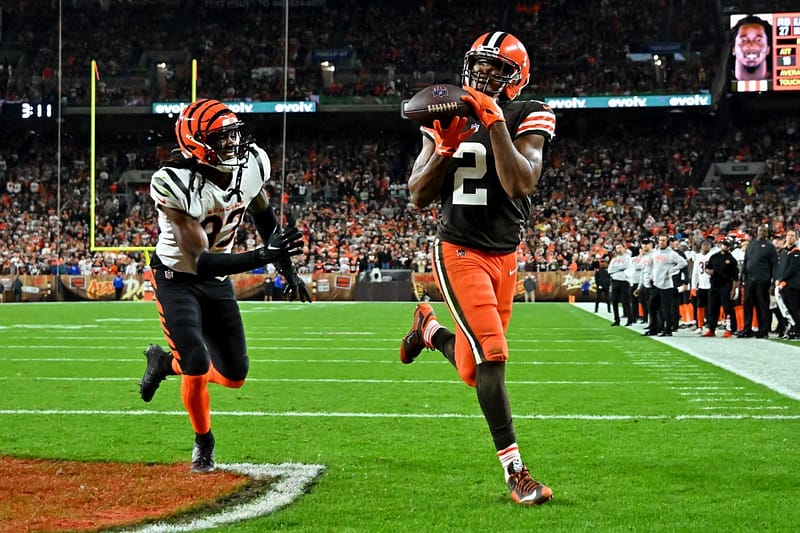

The 2026 NFL Draft is shaping up to highlight a strategic evolution: teams are increasingly trading down from high selections to accumulate more picks, rather than targeting a single top-tier talent.
This trend reflects a growing recognition among general managers that depth often outweighs individual star power, particularly in an era where versatile, situational players can define roster success.
According to Sharp Football Analysis, multiple top-10 teams—including the Giants, Browns, and Cardinals—are exploring trade-down options to maximize draft capital.
Why Trading Down Makes Sense
Top-five picks are high-risk assets. A single player cannot solve every roster deficiency, and the margin for error is minimal.
Trading down offers:
- Multiple mid- and early-round picks
- The ability to address multiple roster needs
- Reduced pressure on rookie development
For teams like the New York Giants, this strategy complements their long-term rebuild under John Harbaugh, focusing on system fit and depth rather than immediate superstar acquisition.
Recent Examples From 2026
| Team | Original Pick | Trade-Down Target | Draft Capital Acquired |
|---|---|---|---|
| Giants | 5 | 8–10 | 2nd-round pick |
| Browns | 6 | 12 | 2nd + 3rd-round picks |
| Cardinals | 7 | 12 | 3rd-round pick + future considerations |
These moves exemplify a league-wide trend: accumulating quantity while maintaining quality.
Strategic Advantages Of Volume
Depth is king in the modern NFL:
- Injuries are inevitable over a 17-game season
- Specialized roles (nickel corners, situational pass rushers) are critical
- Flexible rosters allow adaptation to evolving schemes
Teams trading down are betting that more chances to find reliable contributors outweigh the impact of one elite selection.
Risks And Trade-Offs
Of course, trading down carries risk. Some potential consequences include:
- Missing out on a generational talent
- Complicated trade negotiations
- Possible public or media criticism
However, analytics-driven front offices are increasingly comfortable with these trade-offs, prioritizing roster balance and long-term competitiveness.
Implications For The 2026 Draft Class
The trade-down trend also affects player evaluation:
- Mid-tier prospects gain more attention, as multiple picks are available
- Draft boards become more fluid, with “value spots” opening up
- Teams may target players who fit multiple roles or systems
This approach is particularly impactful for positions like wide receiver and linebacker, where depth is more valuable than a single star.
Internal Strategy Echoes Across Teams
For teams like the Giants, the trade-down philosophy dovetails with Harbaugh’s roster management principles, emphasizing system-fit over hype, and depth over star potential.
Readers can see similar strategic execution discussed in our article on the Giants’ draft trade-down strategy, which highlighted how New York is leveraging draft capital for long-term roster building.
External Perspective On Trade-Downs
As noted by ProFootballRumors.com, trade-downs are becoming more common league-wide, with teams actively seeking deals to maximize picks in a deep but not top-heavy draft class. Analysts highlight that even minor adjustments in draft position can yield significant long-term advantages.
Conclusion: Volume As A Path To Sustainable Success
The 2026 NFL Draft is a turning point in how teams approach roster construction. Trading down isn’t just a tactical maneuver—it’s a philosophy.
Front offices are embracing volume over star power, betting that multiple quality picks and roster flexibility can build more resilient, competitive teams.
And in a league defined by parity, that approach may define which franchises remain contenders well into the next decade.