
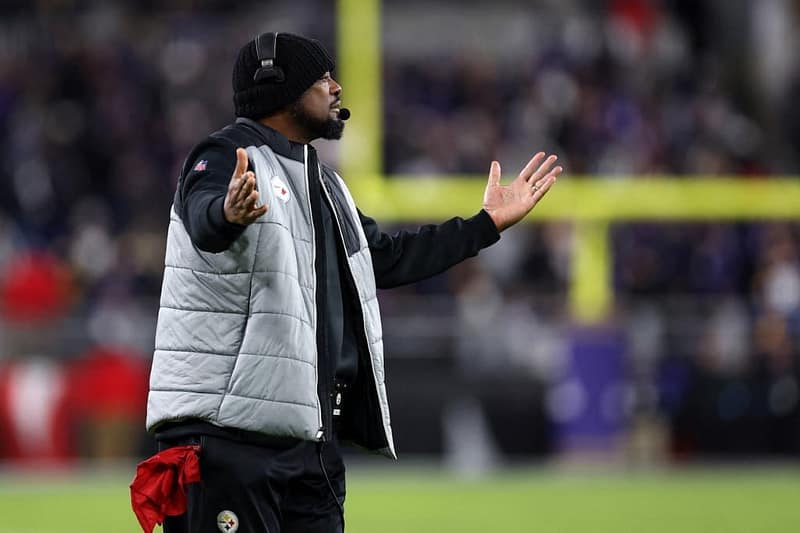

When Mike Tomlin stepped away from the Pittsburgh Steelers in January 2026 after 19 seasons, it marked the end of one of the most stable coaching tenures in modern NFL history.
But his next move—reportedly joining NBC’s “Sunday Night Football” coverage—adds a new layer to the story.
This isn’t just about a legendary coach transitioning into media. It’s about what his departure exposed: a franchise that no longer knows exactly what it is.
Tomlin didn’t just coach the Steelers. He defined them. And now, without him, Pittsburgh is facing a question it hasn’t had to answer in nearly two decades.
Stability Was The Steelers’ Identity—Until It Wasn’t
From 2007 to 2025, Tomlin embodied consistency.
- 17 straight non-losing seasons
- Multiple AFC Championship appearances
- A Super Bowl title and another appearance
That level of sustained competitiveness became synonymous with the Steelers brand. Even when the roster wasn’t elite, the team remained relevant.
But in recent years, that consistency began to blur into something else: predictability without progression.
The Steelers weren’t collapsing. They were hovering.
And in today’s NFL, hovering can be just as damaging as losing.
Why Tomlin Walked Away When He Did
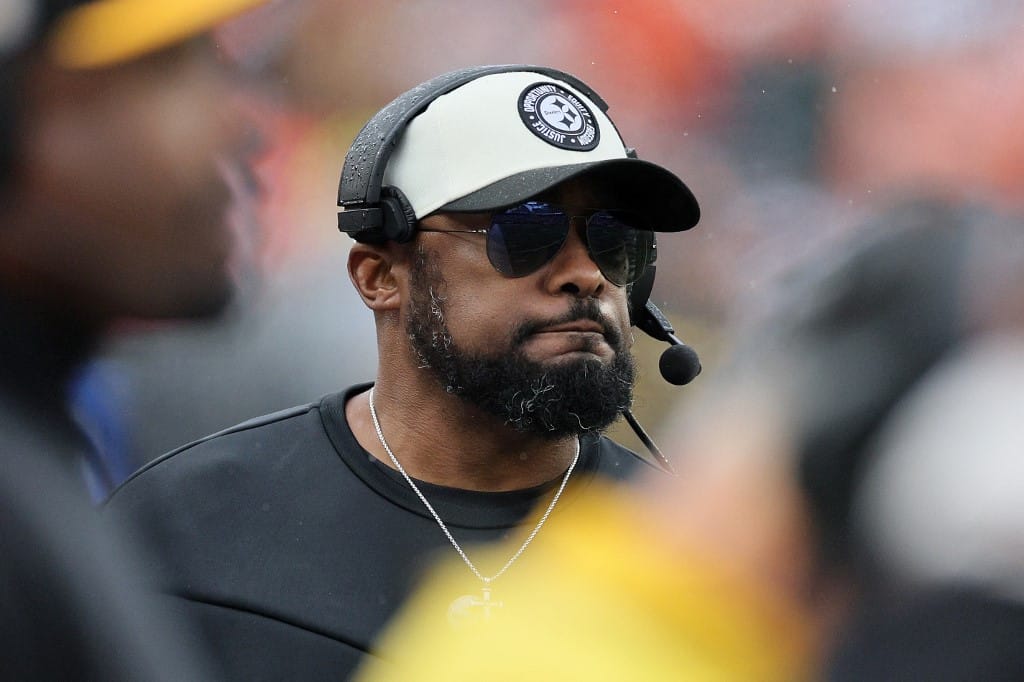
Tomlin’s exit wasn’t framed as a dramatic resignation—but the timing speaks volumes.
The Steelers had:
- An uncertain quarterback situation
- Offensive inconsistency that persisted for multiple seasons
- A roster caught between rebuilding and contending
Rather than oversee a prolonged reset, Tomlin chose to step away.
According to reporting from the Associated Press via their coverage of Tomlin’s NBC transition, the move was seen internally as a natural next step after a long tenure rather than a reactionary decision.
But context matters.
Great coaches rarely leave stable situations. They leave when the path forward becomes unclear.
NBC Isn’t Just A Career Move—It’s A Narrative Shift
Tomlin joining NBC’s pregame coverage is more than a post-coaching opportunity.
It’s a repositioning.
From sideline leader to league voice, Tomlin is now stepping into a role where he analyzes the very systems he once controlled.
That shift highlights something important:
Tomlin is moving forward with clarity—while the Steelers are still searching for theirs.
The Steelers’ Identity Problem Is Now Exposed
Without Tomlin, the Steelers are no longer anchored by philosophy.
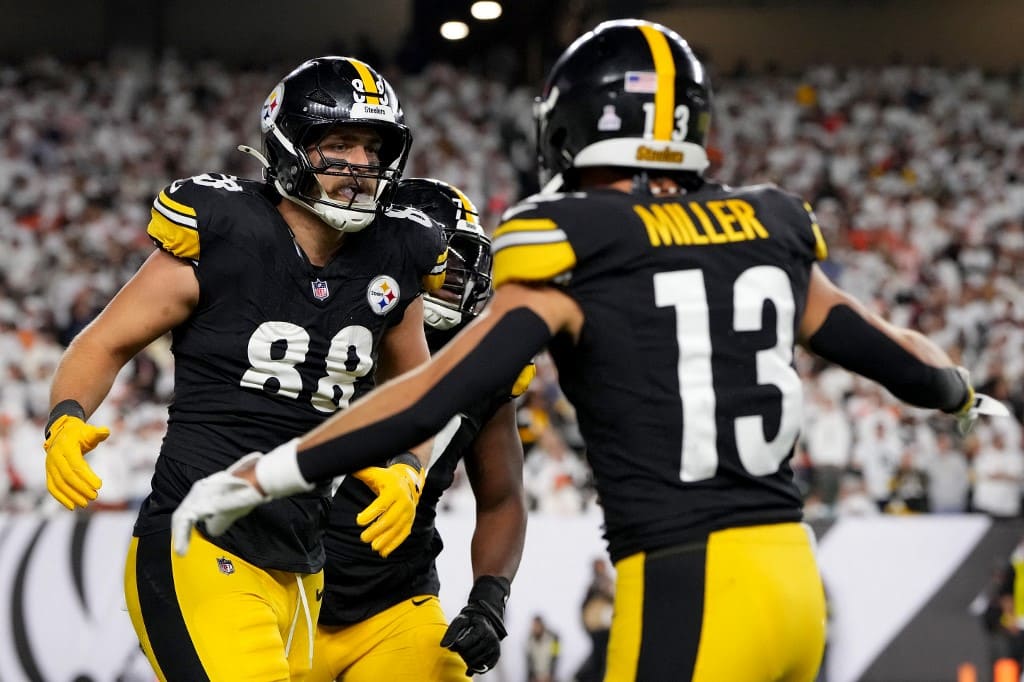
For years, the team’s identity was simple:
- Physical defense
- Disciplined football
- Emotional resilience
Now, those traits are no longer guaranteed.
Instead, the franchise is facing multiple unresolved questions:
- What is the offensive identity?
- Who is the long-term quarterback?
- Are they building or competing?
These aren’t new questions. They’ve just become impossible to ignore.
Comparing Then Vs Now
| Era | Defining Trait | Outcome |
|---|---|---|
| Tomlin Era (2007–2017) | Stability + elite defense | Consistent contention |
| Late Tomlin Era (2018–2025) | Stability without evolution | Playoff inconsistency |
| Post-Tomlin Era (2026– ) | Identity uncertainty | Undefined |
The transition isn’t just about a coaching change.
It’s about a philosophical gap.
Why The Steelers Struggled To Evolve
One of the biggest challenges Pittsburgh faced in the later Tomlin years was adapting to a rapidly changing league.
The NFL shifted toward:
- Explosive passing offenses
- Quarterback-driven systems
- Offensive creativity and pace
The Steelers, meanwhile, remained grounded in structure and discipline—but often lacked offensive innovation.
That disconnect created a ceiling.
Even when the defense performed at a high level, the offense struggled to keep pace with elite teams.
This is the same league-wide trend discussed in the rise of modern offensive urgency shaping contenders, where teams are forced to evolve or fall behind.
The Quarterback Question Still Defines Everything
No issue looms larger for Pittsburgh than quarterback.
Kenny Pickett showed flashes but never fully established himself as a definitive long-term answer. The lack of clarity at the position has limited offensive growth and forced the team into conservative approaches.
Without a clear quarterback identity, everything else becomes reactive.
And that’s the problem.
The Steelers are no longer dictating games—they’re adjusting to them.
What Comes Next For Pittsburgh
Replacing Tomlin isn’t just about hiring a new coach.
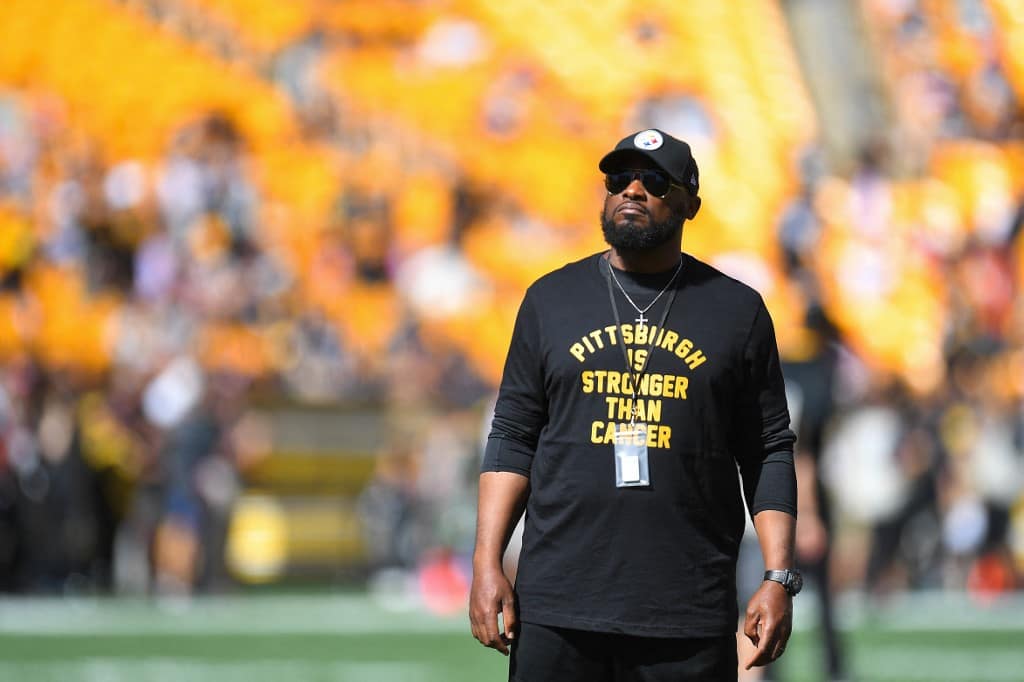
It’s about choosing a direction.
The next phase of Steelers football will depend on:
- Whether they commit to a full rebuild
- How aggressively they pursue quarterback solutions
- Whether they modernize their offensive philosophy
This is where the risk lies.
Because identity, once lost, is difficult to rebuild.
The League Context Makes This More Urgent
The AFC is more competitive than ever.
With teams like Kansas City, Buffalo, Cincinnati, and emerging contenders reshaping offensive expectations, the margin for error has shrunk dramatically.
For Pittsburgh, staying relevant requires more than tradition.
It requires transformation.
And that transformation must happen quickly.
The Bigger Meaning Behind Tomlin’s Exit
Tomlin’s move to NBC may look like a simple career transition.
But it represents something deeper.
It marks the end of a period where the Steelers could rely on consistency alone to stay competitive.
Now, they must rely on something else:
vision.
Because in today’s NFL, identity isn’t inherited.
It’s built—deliberately, aggressively, and often uncomfortably.
And until the Steelers define theirs again, Tomlin’s absence will be felt in more ways than one.