
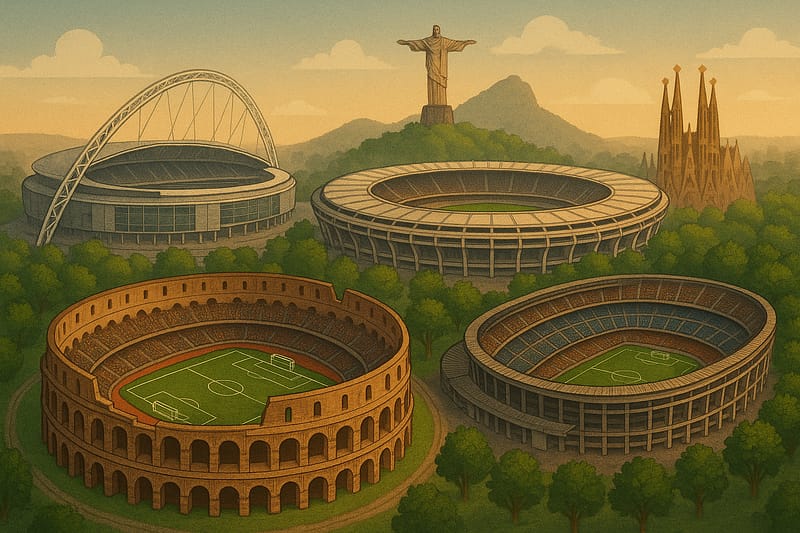

Football is more than just a game—it’s a global passion that unites millions. At the heart of this passion are the stadiums, the cathedrals where emotions, history, and drama unfold. Through decades or even centuries, these hallowed grounds have become symbols of their cities and nations, witnessing moments that are etched into the annals of sports history. Let’s explore some of the most iconic football stadiums around the world—and the stories that make them legendary.
1. Old Trafford (Manchester, England)
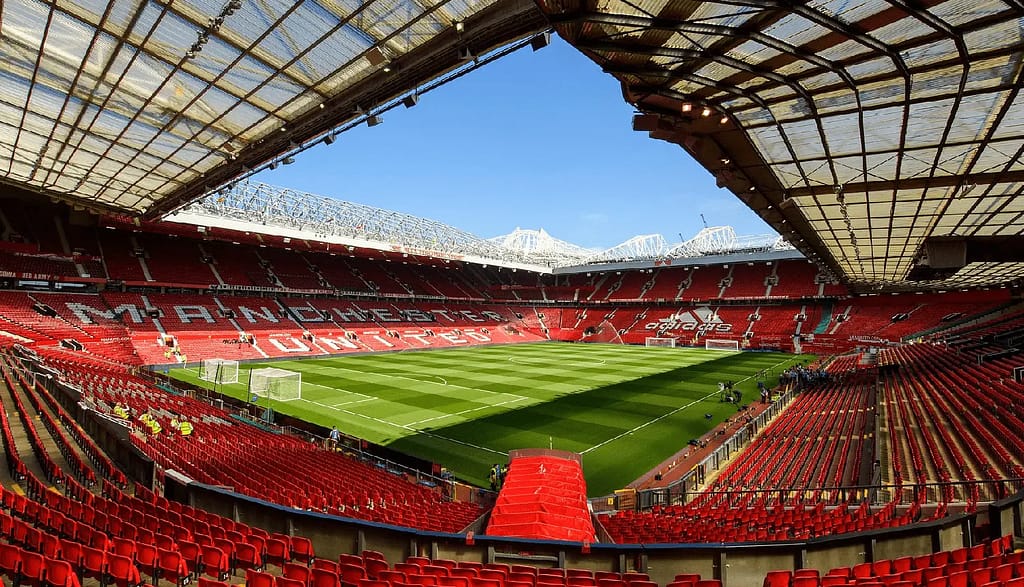
The Theatre of Dreams
Known as the “Theatre of Dreams”, Old Trafford is the iconic home of Manchester United Football Club. Since opening its doors in 1910, it has hosted some of the world’s greatest players and matches.
- Capacity: Nearly 75,000 spectators
- Famous moments: Manchester United’s treble-clinching 1999 season, countless Manchester derbies
- Historical note: Heavily damaged during WWII bombings, but rebuilt even grander post-war
Why It’s Iconic:
Old Trafford’s aura is built on the success and tragedies of Manchester United. Here, the Busby Babes rose and fell, George Best dazzled, and Sir Alex Ferguson dominated English football.
2. Maracanã (Rio de Janeiro, Brazil)

Where Dreams and Heartbreak Collide
Every football fan knows Maracanã. Opened in 1950 to host the FIFA World Cup, it remains synonymous with football in Brazil.
- Capacity: Once over 200,000, now about 78,000 after renovations
- Famous moment: 1950 World Cup Final—Brazil’s unexpected loss to Uruguay (the “Maracanazo”)
- Cultural importance: Stage for Pelé’s 1,000th goal and Olympic Games Opening Ceremony
Why It’s Iconic:
Maracanã is the beating heart of Brazilian football, host to legendary players like Pelé, Zico, and Garrincha. The stadium embodies the beauty and pain of Brazilian football.
3. Camp Nou (Barcelona, Spain)
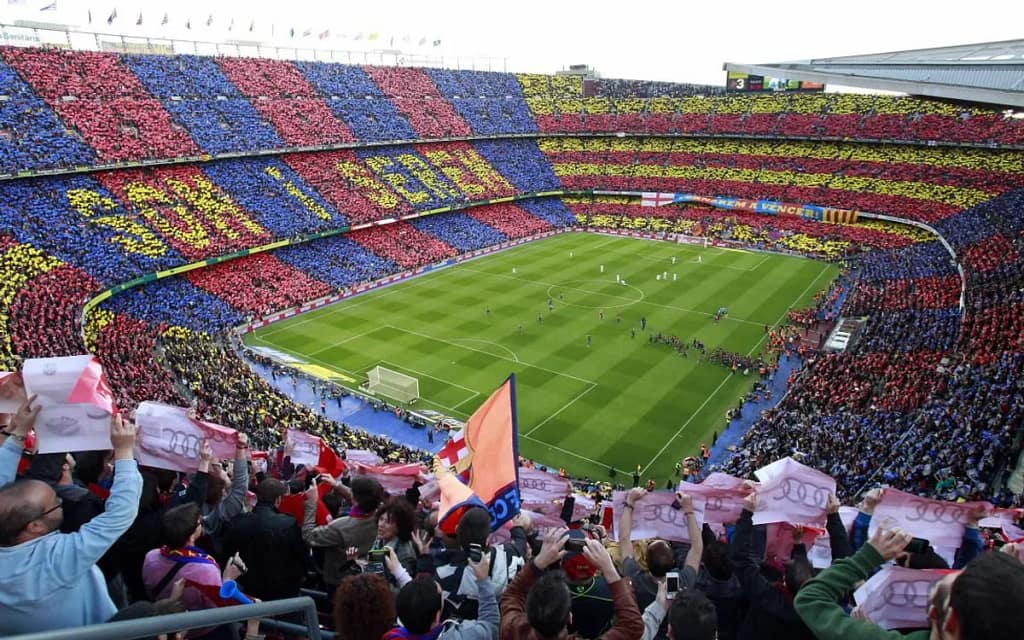
More Than a Club—and Its Stadium
Home to FC Barcelona since 1957, Camp Nou is Europe’s largest stadium and a pilgrimage site for football devotees.
- Capacity: Around 99,000
- Famous moments: “Remontadas” in the UEFA Champions League, Ronaldinho’s standing ovation from rival fans
- Unique feature: The stadium reflects Catalan pride and the motto “Més que un club”
Why It’s Iconic:
Camp Nou is as much about Barcelona’s regional identity and cultural significance as football. The mesmerizing style of play, spearheaded by the likes of Messi, Xavi, and Iniesta, has enchanted crowds and inspired millions.
4. Wembley Stadium (London, England)
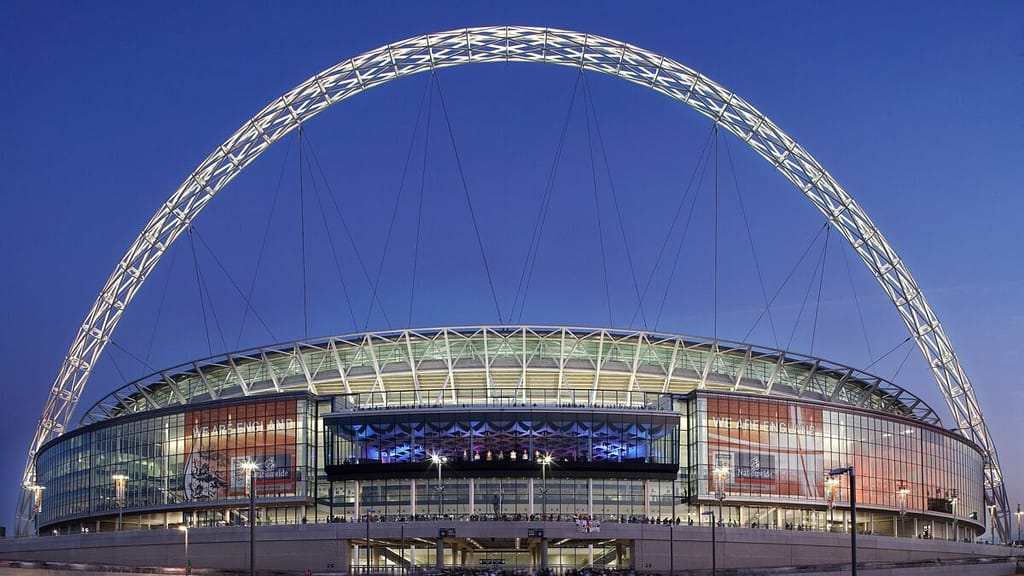
The Home of Football
The original Wembley opened in 1923 and was known for its iconic twin towers; the modern Wembley, reopened in 2007, features a stunning arch.
- Capacity: 90,000
- Famous moments: 1966 World Cup Final—England’s only win, annual FA Cup finals
- Cultural note: Venue for concerts and Olympic events, cementing its status beyond football
Why It’s Iconic:
Wembley is synonymous with English sport—a venue where legends are made and dreams fulfilled or shattered. Its hallowed turf is the goalpost of every boyhood dream in England.
5. San Siro (Milan, Italy)
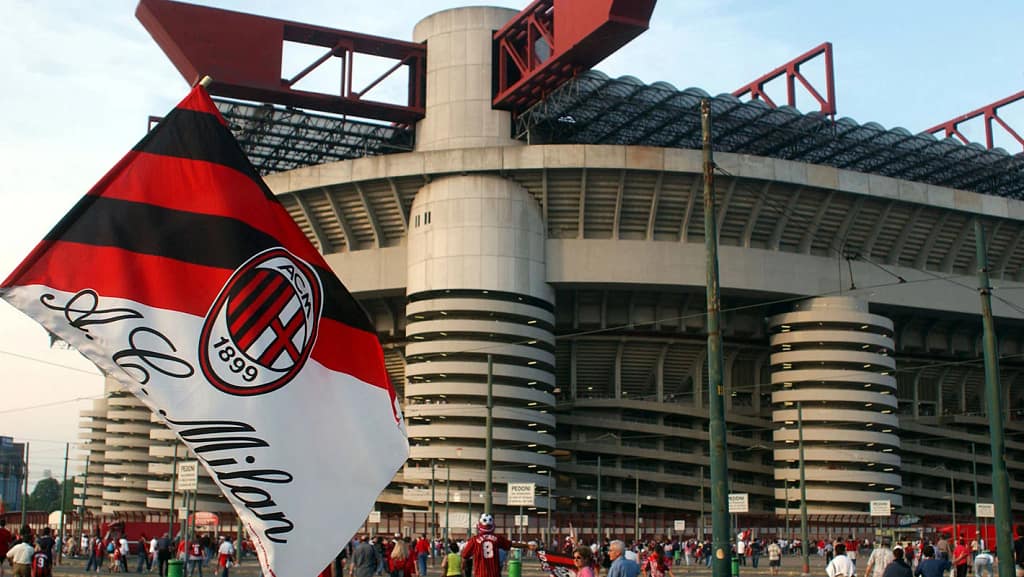
Duel of Giants
Formally known as Stadio Giuseppe Meazza, San Siro has been shared by AC Milan and Inter Milan for decades, witnessing fierce rivalries and spectacular football.
- Capacity: Around 75,000
- Famous moments: 1965 European Cup Final, Milan derbies renowned for atmosphere
- Unique feature: Shared equally by two titans of European football
Why It’s Iconic:
The unique shared stewardship has led to a stadium brimming with passion for both red-and-black and blue-and-black. It’s a fortress when packed for electrifying derbies or European nights.
6. Allianz Arena (Munich, Germany)
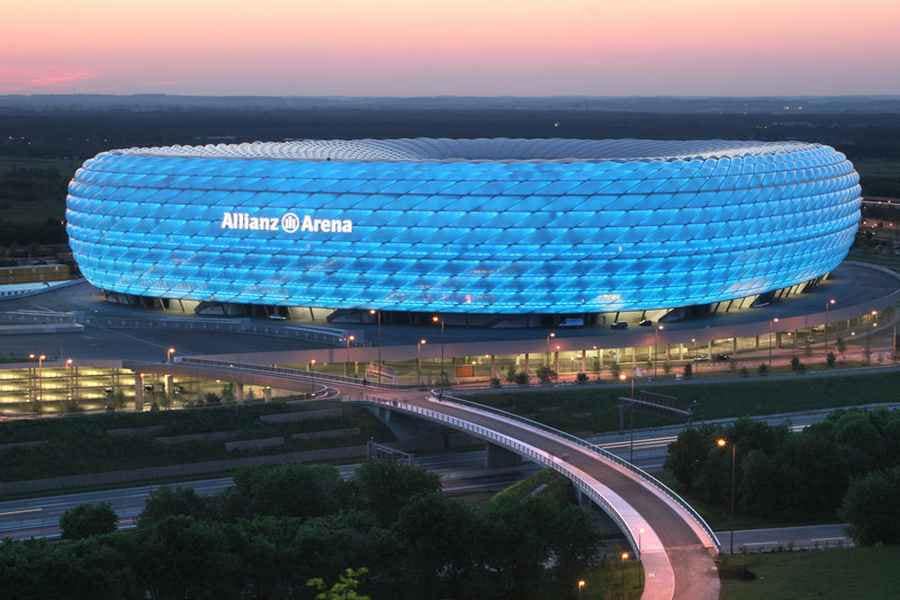
The Modern Cathedral
Opening in 2005, the Allianz Arena is noted for its futuristic design and changing colors that reflect which team is at home: Bayern Munich or (formerly) 1860 Munich.
- Capacity: 75,000
- Famous moments: 2012 UEFA Champions League Final, hosted six matches at the 2006 World Cup
- Architectural wonder: Illuminated façade famous around the world
Why It’s Iconic:
Allianz Arena fuses German efficiency with football tradition, becoming a new symbol for the globalized era of club football.
7. Santiago Bernabéu (Madrid, Spain)
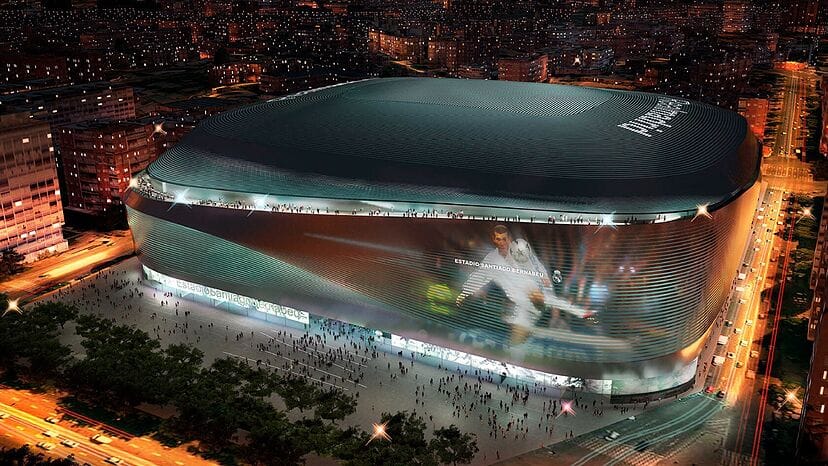
The White Fortress
Since 1947, this has been Real Madrid’s home, site of countless triumphs in Spanish and European football.
- Capacity: Approx. 81,000
- Famous moments: Multiple Champions League titles, 1982 World Cup Final
- Ongoing legacy: Home to La Decima and modern-day galácticos
Why It’s Iconic:
The Bernabéu is synonymous with ambition and excellence. When Real Madrid steps onto this pitch, history is always within reach.
8. Azteca Stadium (Mexico City, Mexico)
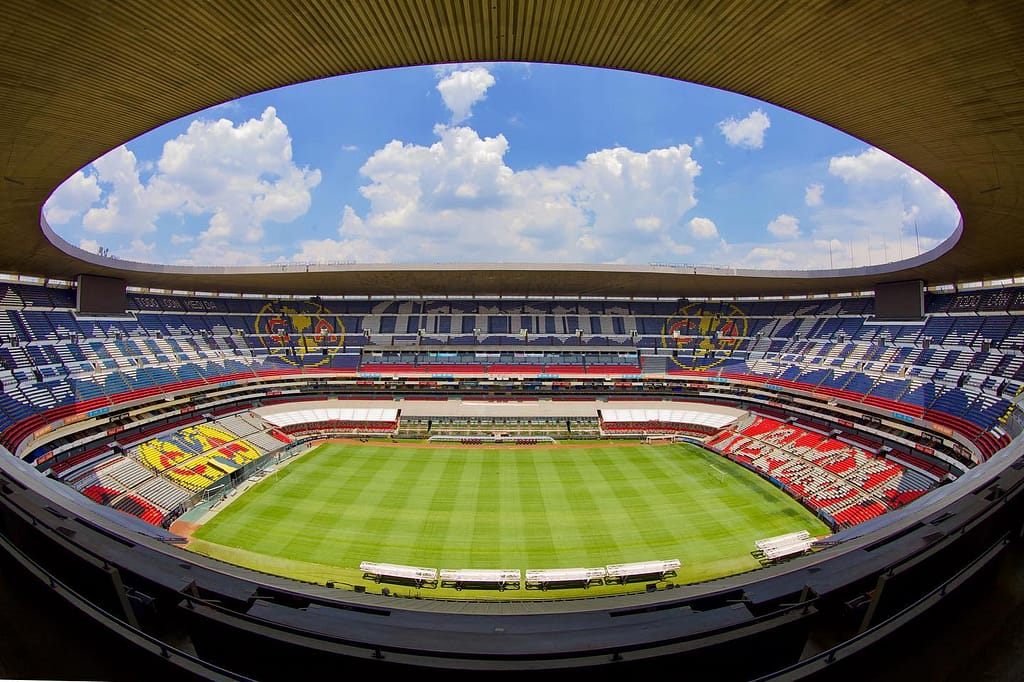
Home of Two World Cups
Estadio Azteca is one of the few stadiums to host not one, but two FIFA World Cup finals (1970 and 1986).
- Capacity: Over 87,000
- Famous moments: Maradona’s “Hand of God” and “Goal of the Century”
- Legacy: Site of Pelé’s and Maradona’s greatest World Cup triumphs
Why It’s Iconic:
Azteca is enshrined in football folklore through unforgettable moments that shaped world football.
9. Anfield (Liverpool, England)
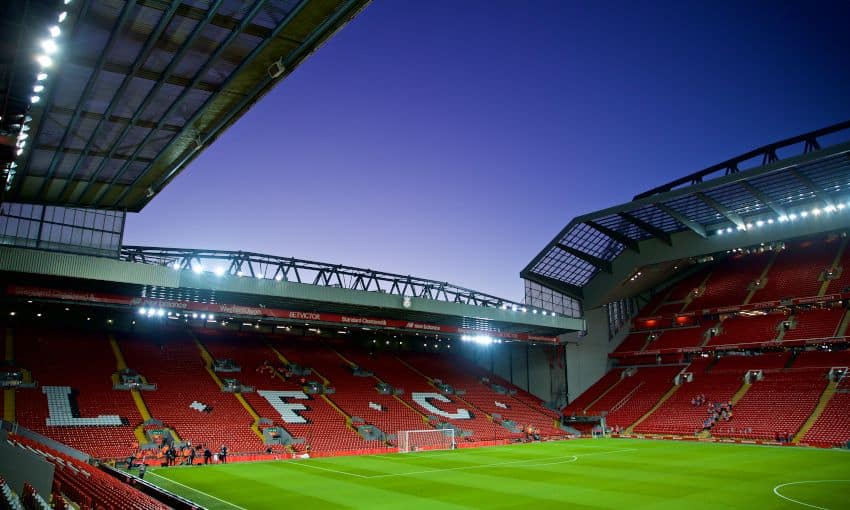
You’ll Never Walk Alone
The soul of Liverpool FC, Anfield is famed for its atmosphere—especially The Kop, where fans belt out the legendary anthem.
- Capacity: Over 54,000
- Famous moments: Istanbul miracle roots, dramatic European comebacks
- Unique tradition: The “This is Anfield” sign in the tunnel
Why It’s Iconic:
The stirring chorus of “You’ll Never Walk Alone” echoes through football history. Anfield on European nights is unrivaled for emotion and energy.
10. La Bombonera (Buenos Aires, Argentina)
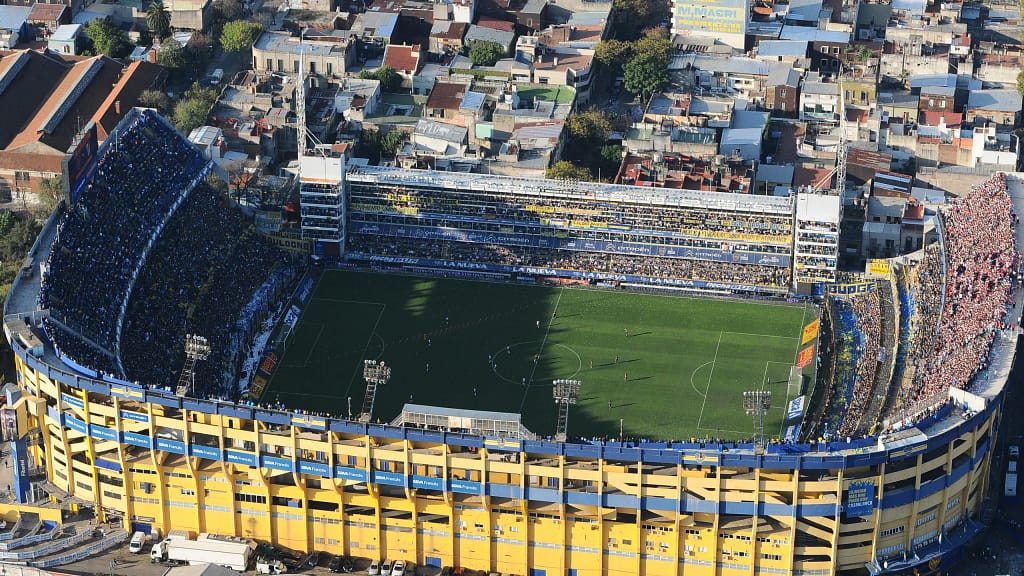
The Chocolate Box of Passion
Officially Estadio Alberto J. Armando, La Bombonera is home to Boca Juniors and a cauldron of South American football fervor.
- Capacity: 54,000
- Famous moments: Superclásicos, Maradona’s dazzling home displays
- Atmosphere: Vertical stands and shaking ground amplify crowd intensity
Why It’s Iconic:
La Bombonera is a living, breathing celebration of Argentine football, where fans’ passion can almost be felt physically in the shaking stands.
Notable Mentions
- Signal Iduna Park (Dortmund): Renowned for “The Yellow Wall”—Europe’s most formidable terrace.
- Stade Vélodrome (Marseille): Famous for raucous southern French support.
- Celtic Park (Glasgow): Electrifying home of Celtic FC.
- Stadio Olimpico (Rome): Duel home to AS Roma and Lazio.
What Makes a Stadium Iconic?
While age and size matter, an iconic football stadium is defined by:
- Historic moments: Legendary matches, unforgettable goals, dramatic finals.
- Unique design: From Old Trafford’s classic stands to Allianz Arena’s ultra-modern glow.
- Unmatched atmosphere: Chants, songs, and the pure collective energy of the crowd.
- Cultural significance: A symbol of club, city, and even a national identity.
Final Thoughts
Football is about stories, and nothing tells them quite like the world’s legendary stadiums. Each ground is more than concrete and grass—it is living history, echoing with chants, celebrations, and memories that define the sport.
Visiting any of these iconic stadiums is a pilgrimage for fans—an opportunity to see, feel, and hear the magic of football in its natural home.