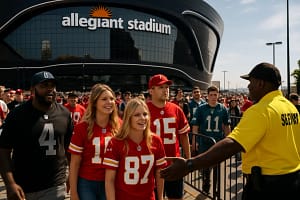
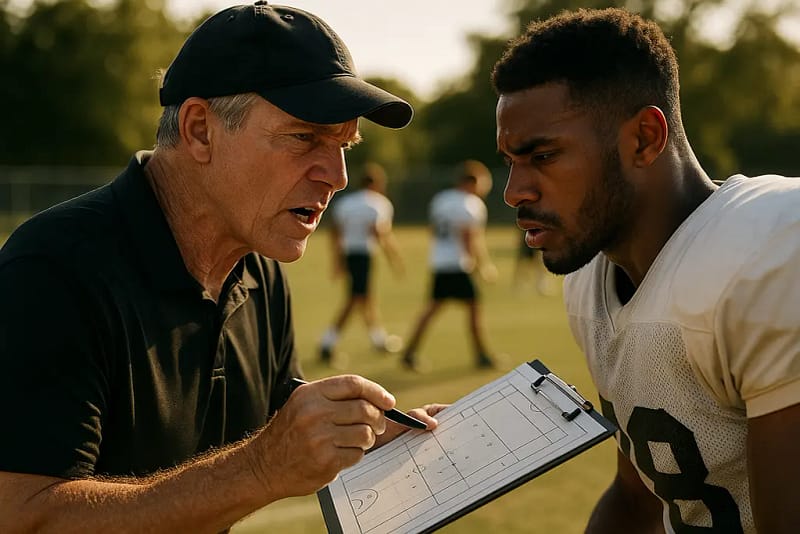

Open Training Camps affect NFL preseason preparation because they place football work inside a public setting. That creates a clear benefit for fan access and community connection, but it also forces coaching staffs to think carefully about practice design, player evaluation, information control, and the rhythm of August preparation.
The strongest sourced evidence in the available research is on access and competitive format. NFL.com reported that Vic Fangio saw value in keeping camp practices open, with the public setting framed around fan connection and the team’s relationship with supporters through Fangio’s open-practice view. Sports Illustrated has also reported that joint practices are a growing NFL training-camp trend, giving teams competitive work against another roster before preseason games through SI’s joint-practice analysis.
Those two points frame the practical question. Teams want useful football work, but they also want a camp environment that supports fans, media, and the wider market around the club. To explore related sports discussions in the same network, readers can visit Ambikapur City for a broader perspective, while the NFL-specific issue remains rooted in how teams manage preparation time.
Why Open Training Camps Affect Preparation
Open Training Camps And Fan Energy
The most direct benefit is fan engagement. A public practice gives supporters access to players and coaches in a setting that is not available during regular-season games. That can strengthen community ties and create a more visible connection between the team and its local audience. From a team-building standpoint, the presence of fans can also change the daily atmosphere during long camp sessions.
That does not mean the football benefit is automatic. A loud, energetic practice can help players work through a more realistic public environment, but coaches still need control. Practice time is limited. Every period has a teaching purpose. If a public session becomes too ceremonial, the staff risks losing some of the focus that camp is designed to create.
Where Practice Focus Can Narrow
The main trade-off is selectivity. A team can keep parts of camp open while limiting what it shows. That can mean holding back certain formations, limiting detailed installation periods, or avoiding situations that reveal too much about personnel usage. The research indicates that strategic secrecy is one reason some teams restrict public access, and that concern fits the logic of preseason preparation.
The issue is not only about playbooks. It is also about player workload. Public sessions may be structured differently if the staff wants to reduce unnecessary contact or avoid high-risk drills in front of spectators. The available research does not provide leaguewide injury data comparing open and closed sessions, so any injury claim should be treated cautiously. What can be said is that coaching staffs have a practical incentive to manage intensity, especially during periods when roster evaluation and player health intersect.
Roster Evaluation Under Public Access
Younger Players And Daily Visibility
Training camp is where younger players and depth candidates can turn practice reps into roster consideration. Public access changes the visibility of those reps. A rookie who flashes in a one-on-one period, a backup receiver who stacks good days, or a reserve defensive back who handles special-teams work can become part of the public discussion earlier than he might in a closed setting.
That visibility has value, but it can also distort perception. A strong moment in an open practice is not the same as a complete evaluation. Coaches weigh assignments, conditioning, consistency, meeting work, and special-teams value. Fans and media often see the most obvious plays. Staffs see the missed fits, late adjustments, technique lapses, and communication errors that may not draw attention from the sideline.
Depth Charts Before Preseason
Open practices can make depth-chart movement feel immediate, even when coaches are still testing combinations. A second-team player getting first-team work may be earning a real chance. He may also be filling in because of a managed workload, a scheduled rotation, or a specific package the staff wants to test. This is why preseason interpretation requires restraint.
The connection to preseason games is direct. Camp access creates the first public layer of evaluation, while exhibition games add the next test under game conditions. That is why a practice report should be paired with broader preseason roster context, such as how Preseason Week 1 tests depth charts once teams move from controlled periods to live game management.
Joint Practices Change The Camp Equation
Controlled Competition Without Full Exhibition Risk
Joint practices have become a major part of the preseason preparation model because they let teams face unfamiliar personnel in a controlled setting. Coaches can script situations, stop periods for teaching, and create specific matchups that may not appear cleanly in a preseason game. That makes the format useful for starters, backups, and fringe roster candidates.
For teams that use Open Training Camps as part of their public-facing calendar, joint practices add another access decision. A team may want fans to see competitive work against another club. It may also prefer to close that session if the staff is installing situational material or wants a tighter teaching environment. The access decision becomes part of the preparation plan, not a separate promotional choice.
Why Access Decisions May Vary
There is no single model that fits every NFL team. Some staffs may value the energy and transparency of public work. Others may prioritize controlled installation. Some may open selected sessions while closing others. The research supports the idea that teams are balancing fan engagement with focused preparation, but it does not provide a full team-by-team access database.
That uncertainty matters. It would be too strong to say open practices always help or always hurt. The better reading is conditional. Public access is useful when the staff can preserve the teaching plan. It becomes harder to justify if the setting changes drill selection, reduces useful contact, or limits the staff’s ability to evaluate players clearly.
Operational Trade-Offs For Coaching Staffs
Crowds, Media, And Practice Design
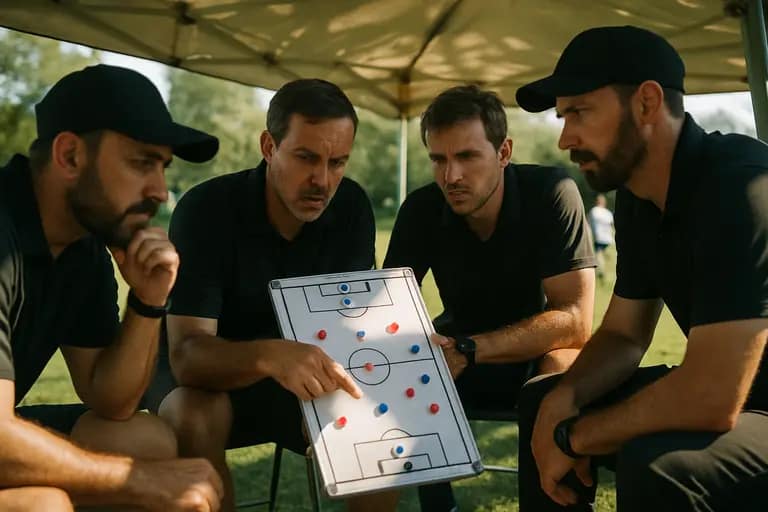
Open sessions require planning beyond football. The research identifies security, crowd management, media coverage, merchandise, concessions, and community relations as part of the broader camp picture. Those elements can benefit the organization, but they also require coordination. The football staff still has to protect the timing of meetings, walkthroughs, treatment schedules, and field periods.
From an analysis standpoint, the key question is not whether those operations are positive or negative. The key question is whether they interfere with preparation. If the organization handles access cleanly, public practice can coexist with serious football work. If operations become distracting, the staff may have reason to reduce access or shift more meaningful periods behind closed doors.
Information Control And Drill Selection
Information control is the most football-specific concern. Even basic practice periods can reveal personnel groupings, returner rotations, depth-chart experiments, or position changes. None of those details guarantees a competitive disadvantage, but teams have reason to manage what they show before preseason games and the regular season.
This is where the training-camp calendar matters. Early public sessions may focus more on fundamentals, conditioning, and broad installation. Later sessions, especially near preseason games, may carry more tactical value. A team preparing for late-July camp evaluation has to decide which parts of practice are suitable for public viewing and which parts belong in a closed environment; that same timing issue sits at the center of late-July camp readiness analysis.
| Camp Factor | Potential Benefit | Preparation Risk |
|---|---|---|
| Fan Access | Stronger community connection | More public attention on daily work |
| Player Energy | More intense atmosphere | Possible distraction if poorly managed |
| Joint Practices | Controlled competition | Access choices become more sensitive |
| Media Coverage | More player and roster visibility | Practice narratives can move faster than evaluations |
| Strategic Control | Staff can choose what to show | Too much access may reveal useful tendencies |
How Open Training Camps Shape NFL Preparation
A Practical Camp Model
The best reading of Open Training Camps is that they are neither purely promotional nor purely disruptive. They are a preparation choice with football, operational, and community consequences. Public practices can support fan access, lift the daily atmosphere, and give supporters a closer look at roster competition. At the same time, they can force teams to manage information, crowd logistics, media volume, and drill selection.
For coaches, the decision should be tied to practice purpose. A fundamentals-heavy session can work well in public. A high-detail installation day may be better protected. A joint practice may be valuable for fans, but only if the staff is comfortable with what opponents, media, and spectators can observe. The stronger the tactical content, the more reason a team has to narrow access.
For analysts, the caution is simple: public camp reports are useful, but incomplete. They show who is working, who is getting visible reps, and which players are generating attention. They do not always show assignment quality, internal grading, workload management, or the reasons behind a rotation. That gap is why camp observation should be paired with preseason game evidence, coaching comments, and roster context.
In practical terms, Open Training Camps work best when access is intentional. The team can invite fans into the process without turning every meaningful teaching period into public information. That balance is the real preseason impact: not whether the gates are open, but which football work remains protected while the organization builds energy around the roster.