
The NFL offseason is built on promises. Free agency promises a fix. The draft promises a future. OTAs promise optimism. Minicamps promise quotes about leadership, communication, and everyone being “ahead of schedule.” Late-July training camp is where those promises finally meet pads, depth charts, heat, injuries, repetition, joint practices, and coaches who stop talking in broad concepts and start deciding who can actually play.
That is why the 2026 NFL season will begin to reveal itself before Week 1 ever arrives. The league’s official camp calendar puts the Arizona Cardinals and Carolina Panthers first into full motion, with veterans reporting July 22 ahead of their Aug. 6 Hall of Fame Game matchup. By July 28, every NFL team is scheduled to have reported, according to the league’s official list of 2026 NFL training camp dates.
For World Football Idol readers, this is where American football becomes less about offseason branding and more about identity. Late July does not crown a champion, but it often exposes which teams are truly organized, which quarterbacks are comfortable, which rookies are ready, and which supposed contenders still look like unfinished projects.
Why Late July Is The NFL’s First Truth Test
Training camp matters because it forces every team into a controlled crisis. The rosters are still crowded. The depth charts are still unofficial. Coaches are installing systems while evaluating bodies. Veterans are trying to protect jobs. Rookies are trying to prove they can process NFL speed. Injured stars are testing whether “on track” actually means ready.
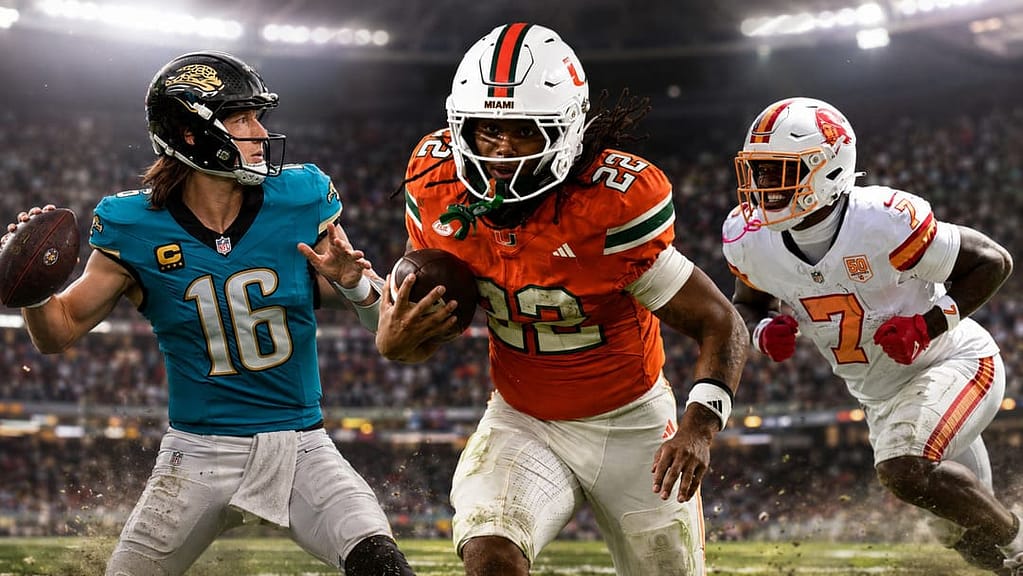
CBS Sports described training camp as the point when things “really get real,” because roster battles, starting jobs, depth-chart movement, and joint practices begin to separate actual readiness from offseason theory in its 2026 NFL training camp storylines.
That distinction is important. A team can win March by signing recognizable names. It can win April by drafting exciting players. It can win June by sounding confident. But late July is when the details start pushing back.
Can the offensive line pick up blitz rules? Can a new defensive coordinator communicate adjustments fast enough? Can a rookie quarterback protect the ball? Can a veteran coming off surgery move without hesitation? Can a team with new weapons build timing before real pass rush arrives?
Those are not headline questions. They are football questions. They are also the questions that decide whether a team is ready for September.
How Report Dates Create Early Pressure
The Cardinals and Panthers face a different camp rhythm because they play in the Hall of Fame Game on Aug. 6. That earlier start gives both teams extra practice time, but it also means their evaluation window begins sooner. For teams still trying to establish identity, the extra days can be useful. They can also expose problems earlier than expected.
Arizona reports to State Farm Stadium in Glendale, while Carolina opens at Bank of America Stadium in Charlotte. The fact that those teams start first gives them early national attention, but the bigger story is what happens across the league by July 28. Once every team is in camp, the offseason’s quiet optimism ends.
Buffalo returns to St. John Fisher University in Rochester. Kansas City reports to Missouri Western State University in St. Joseph. Dallas heads to Oxnard, California. Pittsburgh returns to Saint Vincent College in Latrobe. The geography matters because NFL training camps still carry a cultural identity. Some teams camp at modern team facilities. Others keep the tradition of temporary football villages, where fans, local businesses, and national media turn practice into a seasonal event.
That is part of the NFL’s power. Like the World Cup fan culture that spreads beyond stadiums, American football has its own late-summer ritual. Training camp turns practice into public theater.
Why Quarterback Health Will Shape The First Camp Narratives
The first major readiness category is quarterback health. No position turns camp reports into panic or optimism faster. In 2026, several teams enter late July with quarterback questions that are bigger than normal.
Kansas City’s situation is one of the most watched because CBS Sports listed Patrick Mahomes’ recovery as the Chiefs’ top camp storyline. The question is not simply whether Mahomes is ready, but what kind of “ready” he is. A limited Mahomes changes practice rhythm, offensive timing, and how much the Chiefs can test their full structure before September.
Denver has a similar but younger version of that issue with Bo Nix, whose ankle recovery and new offensive play caller create a two-layer camp test. It is one thing to return physically. It is another to return while adapting to new play design, new receiver timing, and the daily strain of camp.
Indianapolis has Daniel Jones working back from an Achilles injury. CBS noted that Jones had progressed to 7-on-7 work during the offseason but had not yet taken part in 11-on-11. That makes training camp the real checkpoint. Quarterbacks can look controlled in limited work. Full-team practice reveals movement, confidence, pocket timing, and whether coaches are protecting the player or unleashing him.
These are the stories that make late July decisive. Teams do not need quarterbacks to peak in July. They need to know whether the offense can function normally.
Which Rookies Are Ready To Become Real Players
The second readiness category is rookie translation. Draft weekend is built on projection. Training camp is built on evidence. Coaches learn quickly which rookies can handle the playbook, which ones can adapt after mistakes, and which ones are still playing college football in their heads.
Las Vegas may have the most fascinating rookie quarterback story. CBS Sports pointed to Fernando Mendoza as the Raiders’ headline question, asking how many reps he will get and how long Kirk Cousins can hold him off. That is exactly the kind of camp battle that can change a franchise’s season. If Mendoza looks ready, the Raiders’ timeline shifts. If Cousins clearly controls the offense, Las Vegas may slow-play the rookie.
Tennessee’s Cam Ward is another development story. He showed flashes as a rookie but struggled enough that his second camp becomes about cutting down negative plays and proving the offense can support him. The Titans added more talent around him, but training camp will reveal whether the structure actually helps.
Jacksonville’s Travis Hunter presents a different kind of rookie-to-second-year question. His first season was interrupted by injury, and his unusual offensive-defensive profile makes camp especially important. The Jaguars need clarity on how much he can handle, where he helps most, and whether his workload makes the roster more flexible or more complicated.
That is why camp is not just about the rookies from the 2026 draft. It is also about Year 2 players who have moved past the excuse stage.
How Offensive Lines Reveal Contenders Before Skill Players Do
Wide receivers and quarterbacks usually dominate camp headlines, but offensive lines often reveal which teams are actually ready. If pass protection breaks down in practice, everything else becomes harder to judge. Quarterbacks rush decisions. Receivers cannot finish routes. Running backs are hit before they can show vision. Coaches shorten the playbook.
Houston is a strong example. CBS Sports highlighted the Texans’ revamped offensive line and run game as their major storyline, noting that C.J. Stroud has to rebound from a difficult 2025 and that Houston invested heavily up front and at running back. The Texans also have a defense capable of supporting a serious run, which makes offensive functionality even more urgent.
The difference between a contender and a disappointment can be whether the offensive line stabilizes by mid-August. Teams rarely solve protection problems in September if they are chaotic in late July. Communication, combination blocks, blitz pickup, and run-game timing need repetition.
That is also why training camp should be judged through the trenches, not just highlight clips. A viral touchdown in practice may look exciting. A line that keeps the quarterback clean for two straight weeks matters more.
Why Defense Can Change A Team’s Whole Identity
Training camp is also where defensive identities form. Teams with new coordinators, major personnel changes, or young defensive cores cannot wait until Week 1 to discover whether communication works.
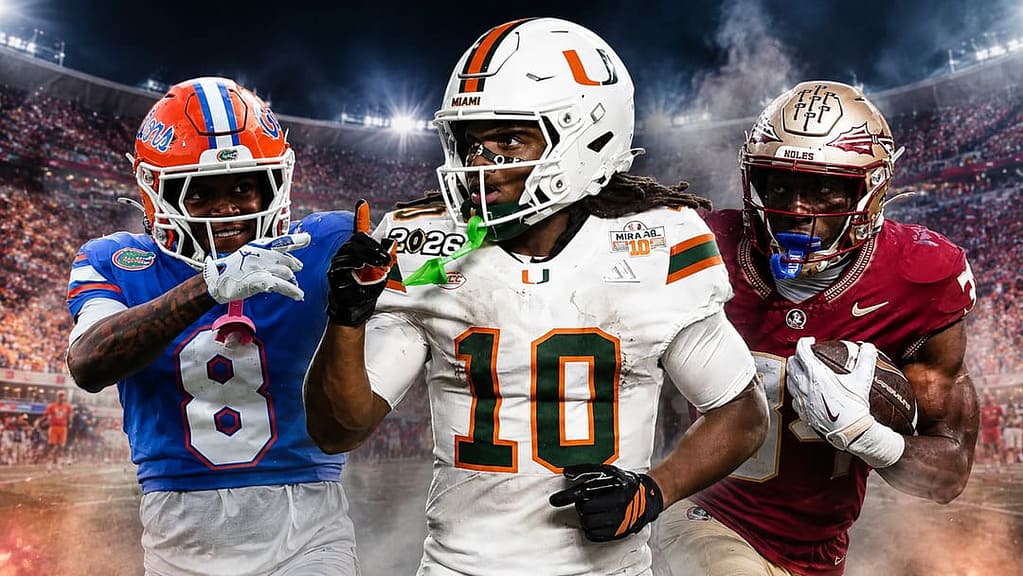
Dallas is one of the clearest examples. CBS Sports framed the Cowboys’ camp around whether the defense is actually better after multiple additions, including first-round picks Caleb Downs and Malachi Lawrence, a trade for Rashan Gary, the arrival of Jalen Thompson and Cobie Durant, and a full season of Quinnen Williams. That is a lot of talent, but camp decides whether talent becomes cohesion.
Cincinnati has a similar challenge on defense. The Bengals added pieces across the defensive line, edge group, and secondary. Their question is not whether every addition becomes a star. It is whether the unit can rise from weakness to competence. If Cincinnati’s defense becomes even average, the team’s offensive ceiling looks different.
The Los Angeles Rams sit at the other extreme. Their defense is not a rebuild story. It is a star-power story, headlined by Myles Garrett and an overhauled group that CBS described as one of the reasons the Rams enter 2026 with enormous expectations. World Football Idol has already explored how defensive superstars are changing NFL roster strategy, and camp is where that idea turns practical. A dominant defense on paper still has to build spacing, rotation, pressure packages, and trust.
Defense becomes real when players communicate under stress. Late July is when that starts.
The Training Camp Questions That Matter Most
The best camp storylines are not always the loudest. Some are simple football problems that reveal whether a team has structure.
| Camp Readiness Test | What It Reveals | Teams To Watch |
|---|---|---|
| Quarterback Health | Whether the offense can operate at full speed | Chiefs, Broncos, Colts |
| Rookie Reps | Whether young players are developmental pieces or immediate answers | Raiders, Titans, Jaguars |
| Offensive Line Timing | Whether the quarterback and run game can stay on schedule | Texans, Dolphins, Bears |
| Defensive Communication | Whether new talent can become a real unit | Cowboys, Bengals, Rams |
| Joint Practice Performance | Whether a team holds up against unfamiliar opponents | League-wide contenders and young teams |
That table matters because readiness is not one thing. A team can be talented and still not ready. It can have stars and still lack timing. It can have a new coordinator and still need weeks to communicate cleanly. Training camp does not guarantee answers, but it usually reveals which questions are dangerous.
Why Joint Practices May Matter More Than Preseason Games
Preseason games still matter for roster depth, special teams, backup quarterbacks, and young players trying to make the 53-man roster. But joint practices have become some of the most revealing events on the NFL calendar.
Coaches can script specific situations. Starters can face quality opponents without playing a full public preseason workload. Defensive lines can test protections. Receivers can work against unfamiliar cornerbacks. Quarterbacks can see different coverage disguises. Coaches can stop and correct without losing the structure of a real practice.
That is why CBS Sports emphasized joint practices as potentially more important than actual preseason games. They reveal how a team handles competition without the noise of game management. They also expose depth. A team may look good against itself for two weeks, then struggle when another roster challenges its weak spots.
For contenders, joint practices test sharpness. For rebuilding teams, they test whether optimism survives contact with a better opponent. For rookie quarterbacks, they can be the first true NFL reality check.
Why Camp Culture Still Defines The NFL
Training camp is not only technical. It is cultural. The NFL sells itself through Sundays, but teams build their season through July and August. Fans travel to open practices. Local media tracks every rep. Beat writers report depth-chart movement. Undrafted players become cult favorites. Veterans become tone-setters. Coaches decide who can handle discomfort.
That makes camp the NFL’s version of a public rehearsal. It is not the performance, but it shapes the performance.
WorldFootballIdol.com covers American football and soccer culture because both sports are built around more than results. A World Cup is not only a bracket. An NFL season is not only a standings table. The rituals around the sport — training camp, road trips, fan gatherings, local practice traditions, media speculation, and player identity — help explain why fans care before the games count.
Late-July camp is where the NFL becomes visible again. It is when helmets return, clips circulate, debates sharpen, and teams begin showing whether their offseason story was real.
What Late July Will Tell Us About 2026
The NFL’s first real answers will not come from press conferences. They will come from rep counts, injury participation, offensive-line combinations, defensive communication, rookie mistakes, veteran reactions, and the first joint-practice reports that make coaches either excited or nervous.
Arizona and Carolina will start the process early because of the Hall of Fame Game. By July 28, the entire league will be inside the same pressure chamber. That is when the 2026 season begins to separate itself from offseason imagination.
The teams that are actually ready will look organized before they look spectacular. Their quarterbacks will practice without unnecessary drama. Their offensive lines will communicate. Their rookies will stack days. Their defenses will limit busted assignments. Their coaches will leave practice with fewer unresolved questions.
The teams that are not ready will reveal themselves in smaller ways: protection issues, vague injury updates, unsettled quarterback reps, defensive confusion, repeated penalties, sudden veteran signings, and glowing public comments that do not match the practice field.
Late July does not decide the Super Bowl. It does something almost as important. It tells the league which teams are real, which teams are hopeful, and which teams are about to find out that the offseason was only a story.