
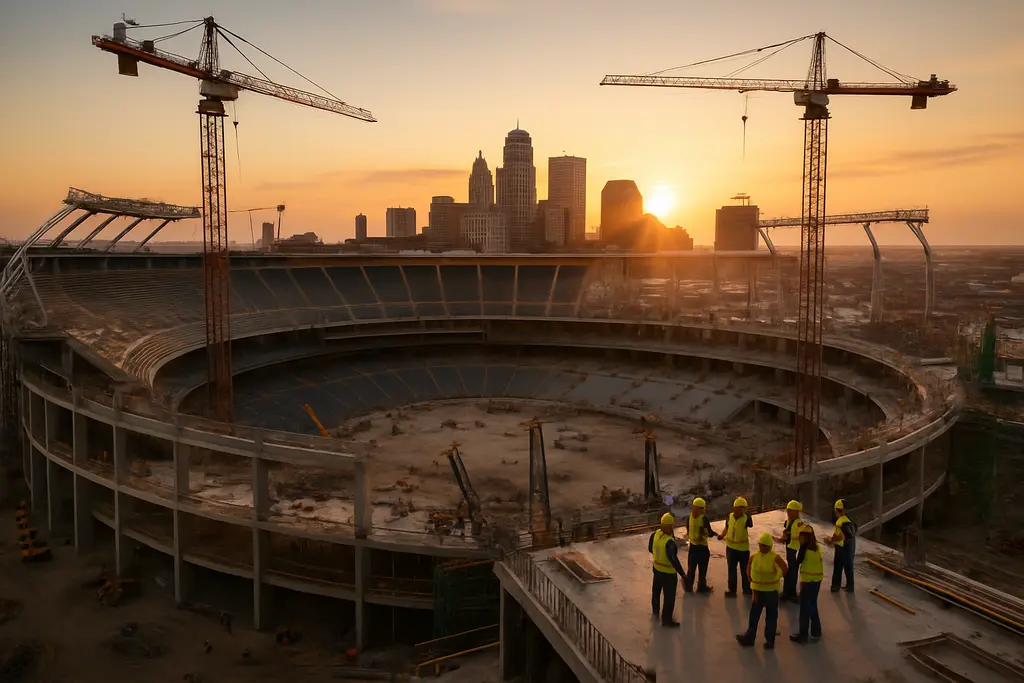

The Downtown Royals Stadium plan moved from concept toward a negotiated civic commitment after Kansas City approved a $600 million public package tied to a planned ballpark and surrounding district. For sports analysis, the key issue is not only the headline number. The more useful reading is how the funding structure, lease terms, event model and public-risk safeguards shape the Royals’ long-term operating base in Major League Baseball.
As of August 25, 2026, the stadium project has already cleared a major city approval step. Kansas City’s public commitment is part of a larger proposal for a downtown baseball district near Washington Square Park and Crown Center, close to Union Station. The Royals have targeted Opening Day 2030 for the new ballpark, so the near-term story now shifts from approval politics to execution: final agreements, bond mechanics, infrastructure delivery and whether the stadium district can support the activity levels used to justify the investment.
What Downtown Royals Stadium Funding Approved
Downtown Royals Stadium Cost Base
The project has been framed as more than a replacement for Kauffman Stadium. Kansas City’s official materials described a $1.9 billion stadium and surrounding development concept, including stadium, infrastructure and office components, in the proposed Downtown Baseball District near the city core city stadium framework. That broader scope matters because public-stadium evaluations often look different when the ballpark is analyzed alongside real estate, transportation and event-district assumptions.
The city commitment is $600 million. The Kansas City Star reported that the proposal includes city-backed support for the downtown Royals ballpark and surrounding infrastructure at the Washington Square Park and Crown Center area Kansas City stadium plan. The research record breaks that public share into about $510 million in city-supported bonds and $90 million for city infrastructure funding. Public and state contributions were described as covering about 60% of the project, with private partners, including the Royals and Hallmark Cards, responsible for the remaining share.
Lease Control And Team Stability
The proposed 30-year lease, with options for five two-year extensions, is central to the sports-business reading. A long lease can give the city a clearer tenure horizon while giving the club a fixed facility platform. For the Royals, that matters because ballpark economics affect premium seating, sponsorship inventory, non-game event revenue, player-facing amenities and the franchise’s ability to position itself within MLB’s revenue tiers.
That does not mean the lease alone proves value for taxpayers. The public case depends on whether dedicated district revenues perform as expected, whether infrastructure costs remain controlled and whether the event calendar extends use beyond 81 regular-season home games. In baseball terms, the building is only part of the asset. The stadium district has to produce enough year-round activity to support the public-finance assumptions attached to it.
Sports Impact On The Royals And MLB Calendar
Ballpark Revenue And Roster Context
From a roster-analysis standpoint, stadium funding does not automatically translate into better payroll decisions. MLB clubs can increase revenue and still choose different spending levels based on ownership strategy, competitive cycle and player-development outcomes. The supported claim is narrower: a new downtown facility can change the Royals’ commercial base by adding premium products, sponsorship opportunities and event use that are harder to maximize in an older venue model.
The Downtown Royals Stadium proposal should therefore be judged against measurable team operations over time. The questions include whether local revenue improves, whether the club sustains investment in scouting and development, and whether the ballpark strengthens the franchise’s position without draining public resources. Those outcomes will not be fully measurable before the stadium opens, but the approval has already altered the Royals’ facility timeline.
Why A 2030 Opening Target Matters
The Opening Day 2030 target creates a four-year execution window from the August 2026 approval period. For a baseball club, that timeline intersects with player-development planning. Prospects drafted or signed in the late 2020s could reach the majors around the same period the club enters a new facility. That timing is not a guarantee of a competitive rise, but it does create a planning point for ticket strategy, sponsorship sales and roster messaging.
The risk is that stadium delivery can absorb organizational attention. MLB clubs still need pitching depth, defensive reliability, health management and player-development gains regardless of venue. A downtown ballpark can improve the business setting, but it cannot cover for poor baseball decisions. Kansas City’s baseball department will still be evaluated on roster construction rather than architectural ambition.
District Economics And Public Exposure
Revenue Sources And Repayment Pressure
The city’s bond obligations are intended to be repaid by revenues generated at and around the stadium, including tools such as tax-increment financing and sales taxes connected to stadium activity. The research record also notes that officials acknowledged legally available other funds could be used in a worst-case scenario. That is the central fiscal tension: the plan is built around dedicated stadium-district revenue, but public exposure does not disappear if those revenues underperform.
The city is also set to receive 5% of net profits from non-baseball events held at the stadium, while the Royals are responsible for operations, maintenance and utilities. That division is relevant because maintenance risk is often one of the most important long-term issues in stadium deals. If the club carries those operating costs, the city’s exposure may be reduced in that category, though debt repayment and infrastructure performance remain separate questions.
Community Agreement As A Measurable Layer
The Community Impact Partnership Agreement is another area where analysts should separate intent from enforceable delivery. The research record states that the Royals must contribute at least $55 million, including $24 million upfront and annual payments of at least $1.03 million, escalated by CPI, toward housing and homelessness, arts, park activation and neighborhood infrastructure. Those targets give the public a set of figures to track rather than relying only on broad civic language.
The plan also has critics. Concerns reported in the research center on whether public money should have been directed toward core city services and whether voters should have had a direct say. Those objections are not outside the sports discussion. Stadium finance affects the civic conditions around a franchise, and fan support can be shaped by whether residents view the deal as fair, durable and transparent.
Fan Access, Traffic And Event Use
Downtown Location And Game-Day Movement
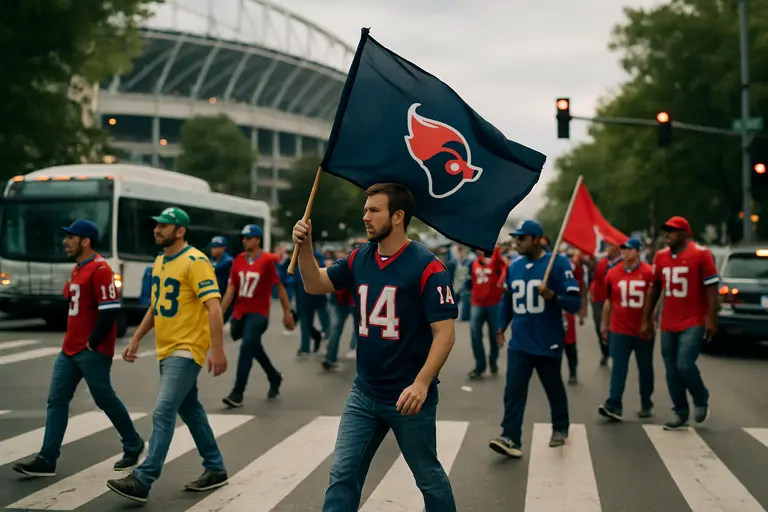
The Washington Square Park and Crown Center location changes the Royals’ game-day geography. A downtown-adjacent site near Union Station can support different arrival patterns than a stadium complex built primarily around large surface parking. That can help a district model if transit, pedestrian routes, parking management and postgame dispersal are coordinated well. If those pieces lag, the same central location can create friction for fans and nearby workers.
For the Downtown Royals Stadium plan, access is a competitive part of the fan experience. Baseball attendance depends heavily on routine: weeknight convenience, family travel time, weather exposure, parking clarity and predictable exit routes. A downtown site can make pregame and postgame spending easier to capture, but it also raises the standard for transportation planning.
More Than Baseball Dates
The district has been described as aiming for more than 300 days per year of activity through non-baseball events, concerts, visitor traffic and conferences. That is an ambitious operating model, and it is important because MLB teams play many home dates but still leave large portions of the calendar unused. The financial case is stronger if the venue and surrounding district can draw activity outside the regular-season schedule.
Venue planning is now a cross-sport issue, from baseball districts to golf-event destinations tracked across our network at FS Golf. The common thread is utilization. Public and private partners want venues that do not sit idle for long periods, but the results depend on booking demand, local competition, transport access and surrounding hospitality capacity.
- Team effect: a new revenue platform, but no automatic roster improvement.
- City effect: a dedicated-revenue model with stated safeguards and remaining downside risk.
- Fan effect: a central location with potential access gains and traffic challenges.
- District effect: value tied to non-baseball event volume and nearby development performance.
Downtown Royals Stadium Impact
What Should Be Tracked Next
The most disciplined way to evaluate the $600 million commitment is to track delivery against the public promises already on the record. The first category is financing: whether bond repayment sources remain tied to stadium and district activity as described. The second is infrastructure: whether the $90 million allocation covers the practical access and site needs created by the move. The third is the lease: whether the 30-year term and extension options protect both franchise stability and public interests.
The fourth category is community benefit. The $55 million commitment gives residents and analysts a clear number to monitor, including the upfront payment and annual contributions. The fifth is baseball operations. The Royals’ new venue plan may improve the club’s business conditions, but it should not be treated as a substitute for scouting, development, payroll discipline and major-league roster execution.
On the evidence available by August 25, 2026, Kansas City’s decision is best viewed as a high-value stadium and district bet with defined funding elements and real public exposure. The Downtown Royals Stadium project can strengthen the club’s long-term market position if the district performs, the lease holds, and non-baseball activity materializes at the level city leaders expect. The caution is equally clear: stadium finance is judged over decades, not by approval-day projections.