
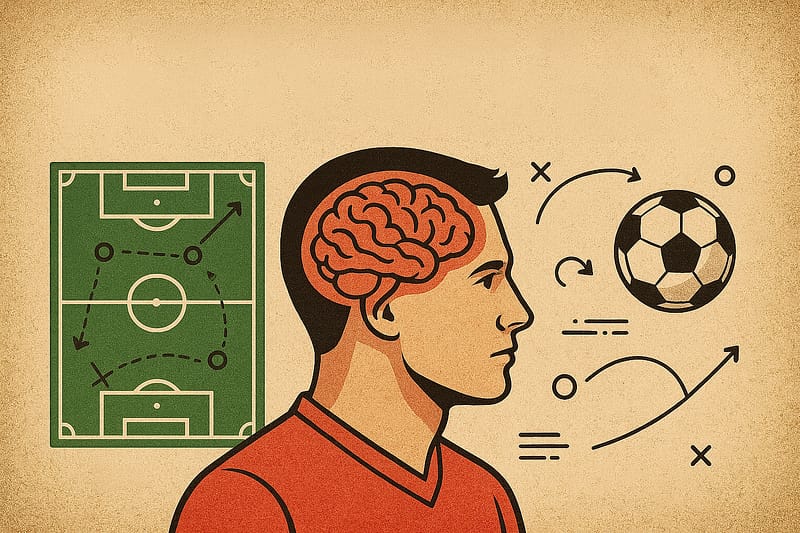

In the world of football, midfielders are the heartbeat of any team. But the playmaker—the creative engine pulling the strings—stands a class apart. Fans marvel at their passes, their ability to anticipate, and their composure under pressure. But what really sets elite playmakers apart from the rest? Let’s journey into the mind of a top-tier midfielder to uncover what makes them truly special.
What is a Playmaker in Soccer?
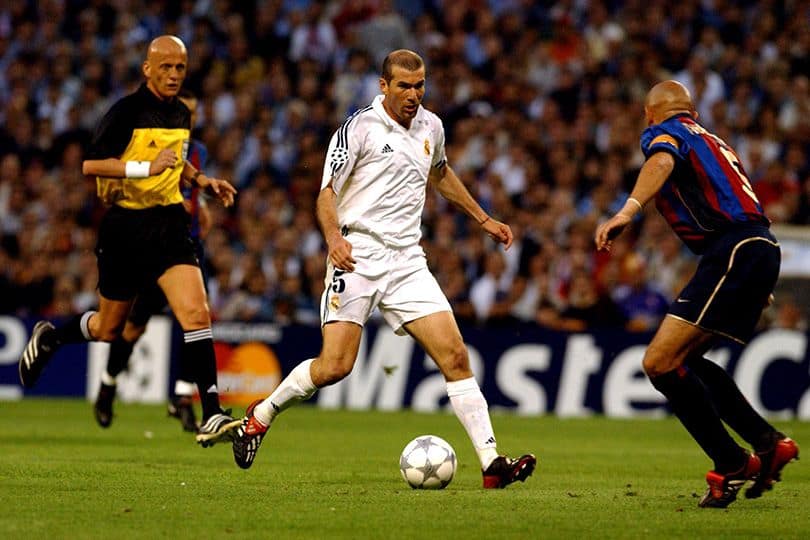
A playmaker is more than just a midfielder. Traditionally seen as the “number 10,” this role is about controlling the game’s tempo, dictating play, and carving out opportunities for teammates. Iconic players like Andrés Iniesta, Xavi Hernández, Kevin De Bruyne, and Luka Modrić exemplify the artistry and intelligence required for this position.
Key Traits of a Playmaker:
- Exceptional vision
- Accurate passing and decision-making
- Tactical intelligence
- Leadership and communication
- Calmness under pressure
Vision: Seeing the Invisible
Reading the Game
Elite playmakers possess an innate ability to see possibilities others miss. This is often called “vision,” but it’s really a blend of:
- Spatial awareness: Understanding where every player is on the pitch—teammates and opponents alike.
- Game intelligence: Anticipating movement and knowing how play might develop several seconds ahead.
Example: Xavi and Iniesta continuously scanned the field, making split-second decisions for effective ball distribution.
The Art of the Pass
A key function of the playmaker is passing—not just sideways or backwards, but innovative, defense-splitting passes few would even attempt. These include:
- Through balls to forwards
- Cross-field switches
- No-look passes
Stat: Kevin De Bruyne averaged over 3 key passes per game in the Premier League (2022/23), underlining the creative influence expected from elite playmakers.
Intelligence and Adaptability
Tactical Flexibility
Modern playmakers don’t just stay in the middle. The best adapt to opponents and situations, dropping deeper to collect the ball, drifting wide to create overloads, or making late runs into the box.
- Pep Guardiola’s ‘Inverted Playmaker’: Players like Ilkay Gündogan and Bernardo Silva step into different zones, confusing markers and opening space.
Decision Making Under Pressure
What sets the greats apart is their ability to make the right choice when seconds count. A panicked or rushed pass can break down an attack. The elite stay composed, knowing exactly when to speed up or slow down the play.
How Elite Playmakers Decide:
- Constantly scan for options, even off the ball.
- Assess risk vs. reward for every pass.
- Use feints and body movement to manipulate defenders.
Technique and Skill
Ball Control and First Touch
An elite playmaker’s first touch is crucial. A well-cushioned touch gives them the extra second to spot a run or evade a pressing defender. Think of Luka Modrić’s deft control under pressure in Champions League games.
Tips for Aspiring Playmakers:
- Practice turning with one touch.
- Work on trapping balls from awkward angles or heights.
- Train to receive the ball on both feet.
Dribbling and Shielding
While playmakers aren’t always flashy dribblers, they’re masters at protecting the ball and twisting away from defenders in tight areas. Andrés Iniesta was famed for his “La Croqueta” move—gliding between two defenders with a single touch.
Leadership and Communication
Conductors on the Field
Playmakers direct traffic. They shout instructions, gesture for where teammates should move, and keep everyone calm when the game heats up. Their influence goes beyond technical skills; it’s about setting the team’s rhythm and ensuring every player fulfills their tactical role.
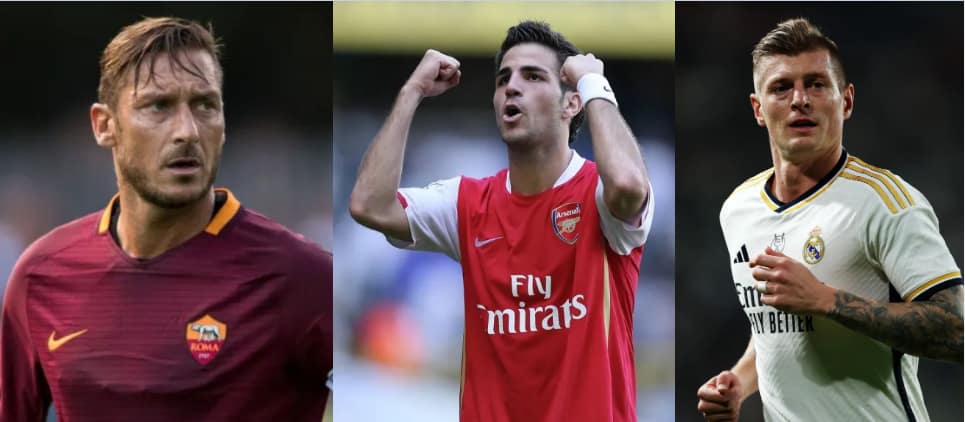
Great playmakers: Francesco Totti (Roma), Cesc Fàbregas (Arsenal, Chelsea), and Toni Kroos (Real Madrid).
Emotional Intelligence
Understanding the mood of teammates, offering encouragement, and leading by example—all are hallmarks of a world-class playmaker.
Mastering the Mental Game
Mindfulness and Focus
Top midfielders exhibit intense focus, shutting out distractions to execute their role. This is honed by:
- Pre-match routines
- Visualization techniques
- Post-match analysis
Handling Pressure
With great responsibility comes pressure—especially in big games. Elite playmakers thrive in these moments, often producing their best under the spotlight.
Famous Example: Zinedine Zidane’s volley in the 2002 Champions League final—a moment combining vision, technique, and composure.
Training Like a Playmaker
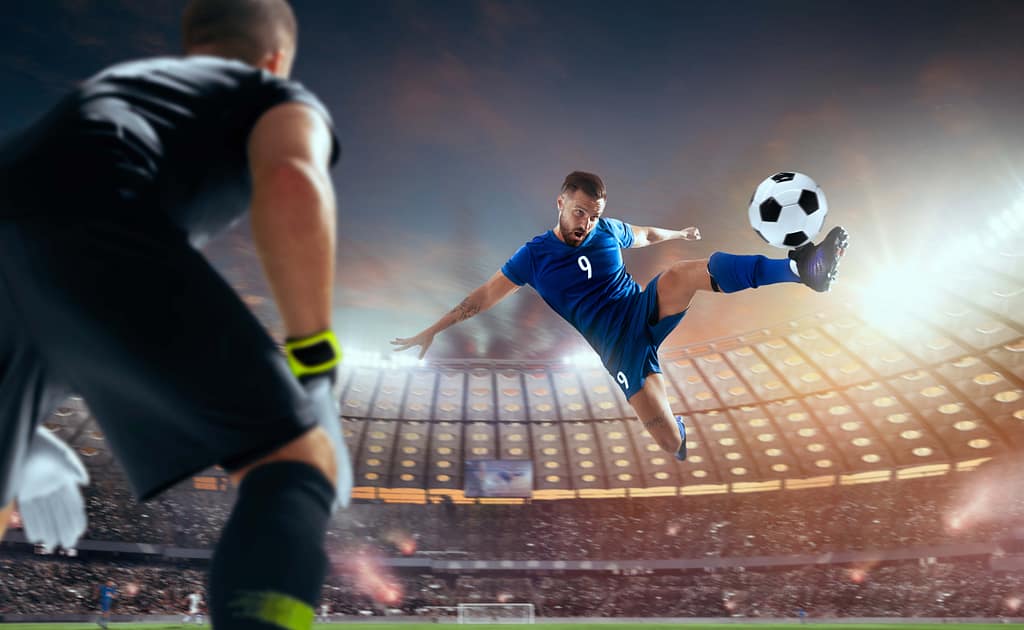
Drills for Aspiring Midfield Maestros
- Passing Gates: Set up cones and work on quick, accurate passing under time constraints.
- Scanning Drills: Receive and pass while quickly locating targets behind you or at different angles.
- Small-Sided Games: 5v5 matches sharpen quick decision-making amid chaos.
Mental Preparation
- Study matches and analyze top playmakers.
- Use visualization to see yourself making the right choices on the pitch.
- Reflect after games: What went well? What could you have done differently?
The X-Factor: Creativity and Courage
While statistics like passing accuracy and assists are quantifiable, the true magic of an elite playmaker is harder to measure. It’s the willingness to try the unexpected—the chipped ball over the top, the disguised pass, the swivel in a tight space.
Key Takeaways:
- Creativity: The best aren’t afraid to try new things, even if it risks losing the ball.
- Courage: In the biggest moments, they want the ball—and take responsibility for what happens next.
Conclusion
Inside the mind of a playmaker lies a unique blend of vision, technique, intelligence, and leadership. They are football’s artists and architects, painting pictures and building attacks with every touch. While others may score the goals or make the tackles, elite midfield maestros ensure the game’s heart keeps beating.
Whether you’re a player striving to improve or a fan who loves the beautiful game, watch how these magicians think, move, and lead—and you’ll discover what makes them so special.
FAQs
Who are the best playmakers in football history?
Diego Maradona, Johan Cruyff, Michel Platini, Zinedine Zidane, Xavi Hernández, Andrea Pirlo, Mesut Özil, and Kevin De Bruyne.

How can young players develop playmaking skills?
- Play lots of small-sided games
- Watch and analyze elite playmakers
- Practice passing and receiving under pressure
What stats are important for judging a playmaker?
- Key passes
- Assists
- Pass completion rate in the final third
- Chances created
How do playmakers influence a team’s success?
They control tempo, create chances, link defense and attack, and often step up in crucial moments.