
Football, a sport celebrated worldwide, has evolved into a multi-billion-dollar industry. At the heart of this transformation are the richest football clubs, whose financial muscle allows them to attract top talent and build legendary super-teams. Let’s delve into who these clubs are, what fuels their immense wealth, and the sophisticated strategies they use to construct squads that conquer both domestic and European competitions.
Who Are the Richest Football Clubs in the World?
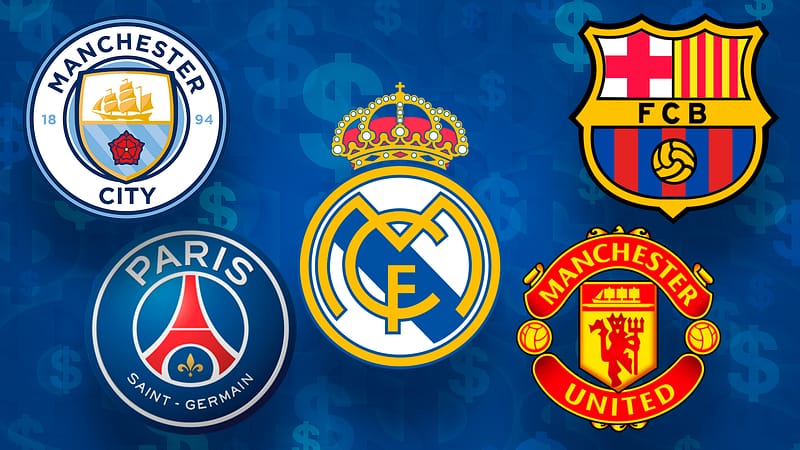
The football landscape is dominated by a select group of clubs consistently ranked as the wealthiest in the world. These teams, including Real Madrid, Manchester City, Paris Saint-Germain (PSG), Manchester United, and FC Barcelona, routinely feature at the top of Deloitte’s Football Money League. Their annual revenues reach into the hundreds of millions, with Real Madrid and Manchester City surpassing the $700 million mark in recent years.
Key Factors Behind Club Wealth
- Broadcasting Rights: Lucrative television deals, particularly for competitions like the English Premier League and the UEFA Champions League, provide a steady income stream for top clubs.
- Commercial Partnerships: Rich sponsorship deals with global brands such as Adidas, Nike, Emirates, and Qatar Airways directly fuel club finances.
- Matchday Revenues: Packed stadiums and premium ticket pricing, especially in Europe’s football capitals, add another significant revenue layer.
- Merchandising: International fanbases drive the sale of jerseys and club memorabilia worldwide, spanning from New York to Mumbai.
How Rich Clubs Build Super-Teams
Having abundant financial resources is only the starting point. The richest clubs combine these assets with calculated planning and world-class expertise to forge formidable squads.
Attracting World-Class Talent
The most obvious manifestation of wealth is the ability to buy the world’s most talented footballers. Clubs like PSG, Manchester City, and Real Madrid have made headlines with record-breaking transfers. For example, PSG stunned the football world by acquiring Neymar from Barcelona for over $260 million in 2017, a record that still stands.
High wages and signing bonuses are also used to lure players away from competitors. This allows rich clubs to build squads stacked with international stars, creating fierce competition for starting positions and elevating the team’s overall quality.
Investing in Youth Development
While headline acquisitions grab attention, elite clubs also invest heavily in their youth academies. Real Madrid’s ‘La Fábrica’ and Barcelona’s famed ‘La Masia’ have produced world-class talents such as Lionel Messi, Xavi, and Casillas. Manchester City has also developed state-of-the-art training complexes to nurture future stars.
By blending academy graduates with marquee signings, these clubs ensure squad depth, sustainability, and a local identity that resonates with fans.
Strategic Managerial Appointments
Money attracts not only players but the world’s best managers. Hiring a top-tier coach is critical to getting the most out of a squad of highly paid superstars. Pep Guardiola at Manchester City, Carlo Ancelotti at Real Madrid, and formerly Zinedine Zidane at Real Madrid are examples of managers who’ve led their clubs to multiple trophies through tactical innovation and strong leadership.
Advanced Analytics and Scouting
Rich clubs invest in data analytics, advanced scouting networks, and football technology to identify undervalued talent and spot weaknesses in rivals. Liverpool’s recent rise, for instance, is partly attributed to their innovative use of analytics in recruitment and game strategy.
The Power of the Global Brand
Building a super-team isn’t just about on-pitch success. The richest clubs have also mastered brand building and global outreach.
Expanding the Fanbase
Successful football clubs know that their greatest strength is a loyal, engaged fanbase. Through preseason tours in Asia, North America, and Africa, clubs foster relationships with new fans and convert them into lifelong supporters. Social media plays a massive role here, with clubs like Real Madrid and Manchester United boasting hundreds of millions of followers worldwide.
Launching Global Partnerships
Mega-clubs ink partnerships with international broadcasters, consumer brands, and digital platforms to enhance their exposure. These deals not only generate revenue but provide fans everywhere with behind-the-scenes access and exclusive content, making the club feel accessible and personal.
Challenges of Managing a Super-Team
Building a squad of superstars comes with its own set of challenges.
Balancing Egos and Team Dynamics
Managing a dressing room full of high-profile athletes requires strong leadership. Coaches must balance egos, manage expectations around playing time, and foster a team-first mentality to avoid internal conflicts.
Pressure to Succeed
The pressure on rich clubs to deliver silverware every season is enormous. Continuous investment and global visibility mean that finishing second is often seen as failure. This pressure can lead to frequent managerial changes and high turnover in the playing squad.
Financial Fair Play Regulations
UEFA and domestic leagues have implemented Financial Fair Play (FFP) rules to prevent clubs from spending beyond their means. While the richest clubs often find innovative ways to remain within regulations, increased scrutiny means they must balance spending with genuine commercial revenues.
The Impact on Global Football
The dominance of wealthy football clubs has sparked debate within the sport. While these super-teams deliver awe-inspiring football and produce memorable matches, critics argue that they make competition less suspenseful and create financial imbalances. For clubs outside the elite circle, competing for international and domestic trophies becomes increasingly difficult.
On the other hand, the commercial success and global appeal generated by these clubs have also elevated the profile of football worldwide, increased investment in the sport, and set new standards in professionalism and innovation.
Conclusion
The richest football clubs play a critical role in shaping the landscape of modern football. With immense financial power, strategic management, and global appeal, they have built super-teams capable of dominating on and off the field. While the gap between the wealthy elite and the rest continues to widen, these clubs remain at the forefront of driving the sport’s evolution, captivating fans across continents and continually redefining what is possible in world football.