
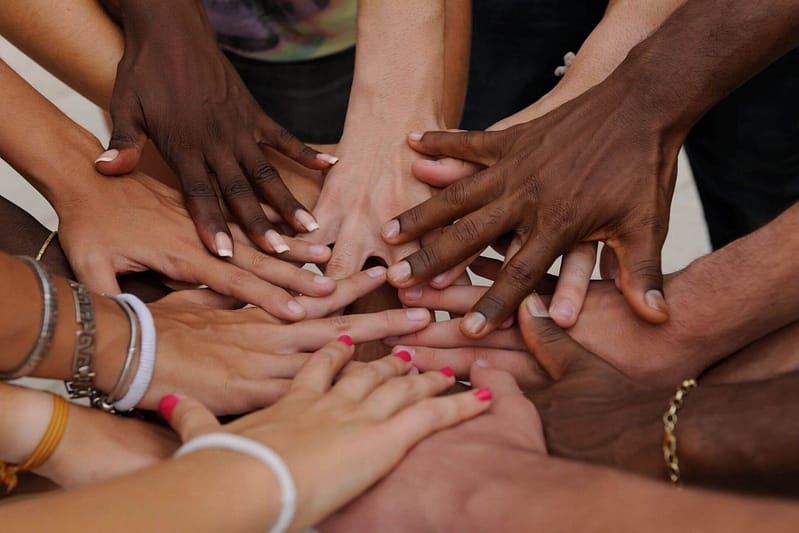

Professional athletes are often admired for their skills, determination, and on-field heroics. However, some of the most significant impacts they make happen far from the stadium lights. Beyond the scores and statistics, many top players use their influence, wealth, and energy to champion important causes and give back to communities in remarkable ways. This article explores how some of the world’s most renowned athletes are creating lasting change through their charitable efforts.
The Power of Platform: Athletes and Social Responsibility
In today’s media-driven world, athletes are more than just sports icons—they are powerful influencers. With millions of fans, strong social media followings, and endorsements, professional players have unique opportunities to raise awareness about pressing social issues. Many recognize this responsibility, using their platforms to amplify voices, inspire positive change, and support charitable organizations.
Athletes’ charitable efforts often go far beyond writing checks or attending publicity events. Engaged players lend their faces and voices to causes, donate their time, launch foundations, and even get involved in grassroots activism. Off the field, they use their passion and resources to foster positive outcomes in youth education, global health, disaster relief, inequality, and more.
Leading By Example: Stories of Generous Athletes
LeBron James: Education as a Legacy
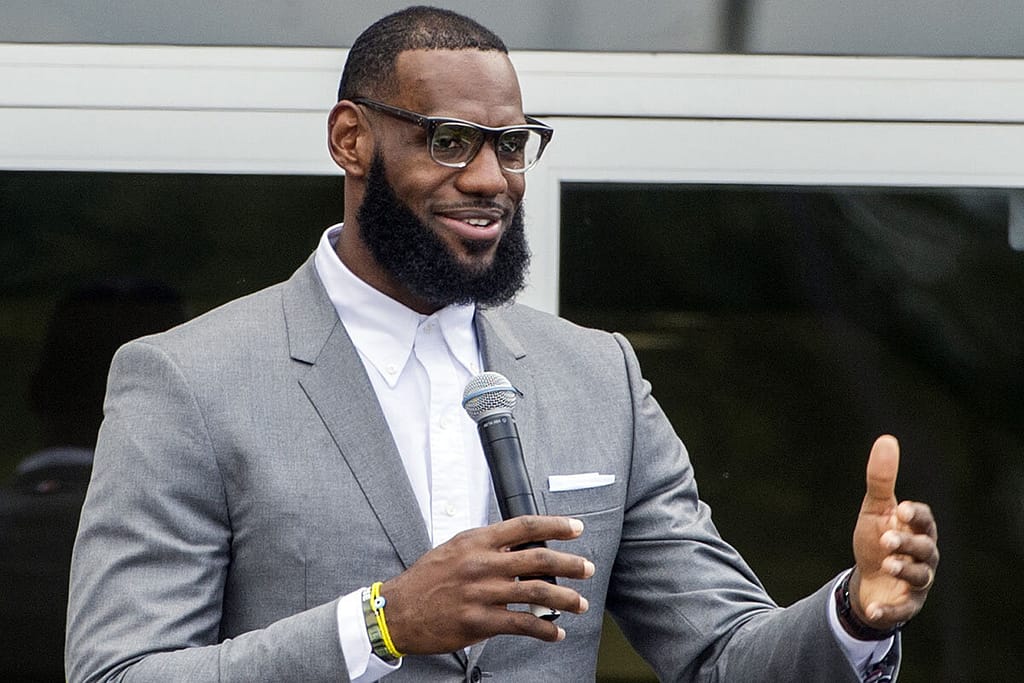
NBA superstar LeBron James is widely recognized for his skills, but his work off the court is just as impactful. In 2018, he founded the “I PROMISE School” in his hometown of Akron, Ohio. This public elementary school offers at-risk children free tuition, meals, bikes, and even college scholarship opportunities for graduates. LeBron’s family foundation invests millions annually, focusing on mentorship, after-school programs, and family support services. His efforts demonstrate a holistic approach—addressing not just education, but also the environmental factors that influence student success.
Serena Williams: Advocacy and Equality
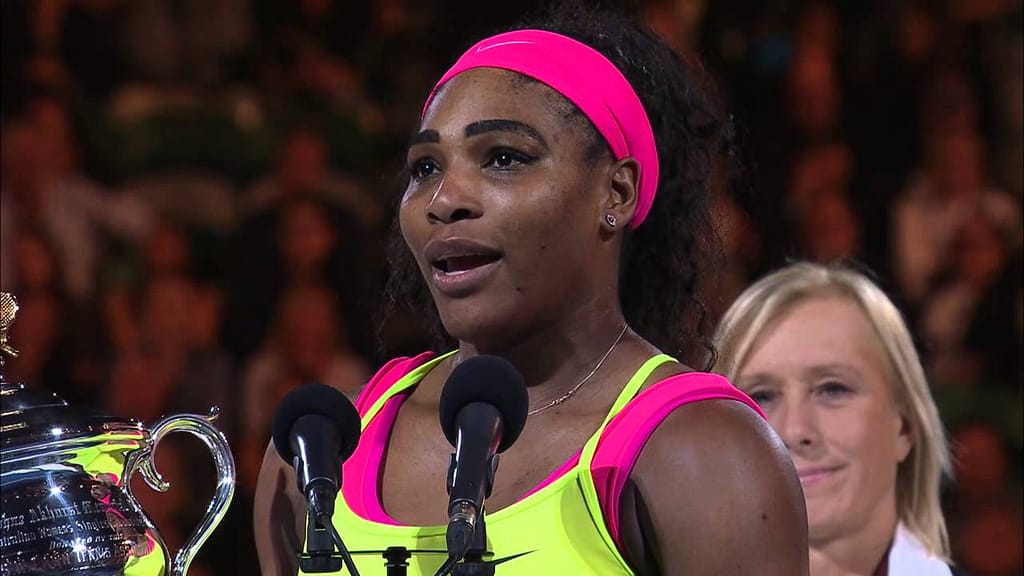
Serena Williams, renowned for her Grand Slam victories, is equally committed to advocacy and philanthropy. Williams supports charities dedicated to education, disaster relief, and gender equality. She serves as a UNICEF Goodwill Ambassador, is vocal about equal pay for women, and funds scholarships for underprivileged students. Williams’ dynamic activism sends a strong message that success in sports can and should translate into positive societal change.
Cristiano Ronaldo: Global Generosity
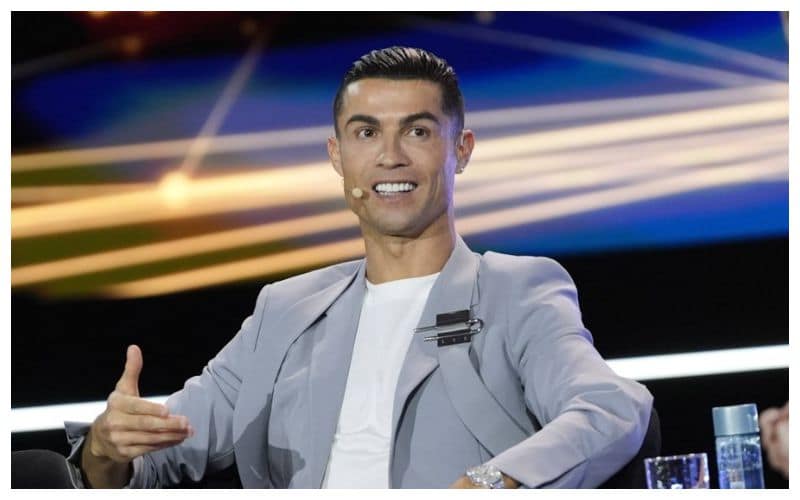
Soccer legend Cristiano Ronaldo has been consistently listed among the world’s most charitable athletes. Known for sizable donations to children’s hospitals, disaster relief campaigns, and cancer research, Ronaldo donated millions to organizations such as Save the Children and World Vision. He regularly auctions memorabilia and match bonuses for charity. Off the field, Ronaldo leverages his global fame to encourage fans to support causes ranging from child hunger to emergency medical aid.
Foundations and Big Initiatives: Building Lasting Legacies
Athlete-Founded Charities
It’s increasingly common for athletes to set up their own foundations, allowing them to focus on specific causes they care about while maintaining transparency and control over how funds are used. The Kobe and Vanessa Bryant Family Foundation, for example, supports youth homelessness and sports programs in Los Angeles. Roger Federer’s foundation works to improve education in southern Africa, having helped millions of children gain better access to quality schooling. By founding charities, athletes ensure that their legacy is intertwined not just with athletic achievement but with lasting community impact.
Partnerships With Major Organizations
Many athletes partner with established organizations for maximum reach and efficiency. For example, Messi has worked with UNICEF to fight child poverty, while NFL player J.J. Watt famously raised over $37 million for Hurricane Harvey relief by leveraging his social media presence and fan base. These partnerships allow athletes to scale their efforts, access professional resources, and reach communities in need around the globe.
Off-the-Field Efforts That Go Beyond Charity
Talking About Mental Health and Social Justice
In recent years, top players have championed causes that were previously considered taboo in sports culture. Naomi Osaka and Michael Phelps have spoken publicly about their struggles with mental health, inspiring others to seek help and reducing stigma. NFL’s Malcolm Jenkins and the NBA’s Stephen Curry are prominent voices advocating criminal justice reform, racial equality, and access to voting. By speaking out, donating to relevant organizations, or creating community programs, players are expanding the definition of what it means to give back.
Involvement in Grassroots Programs
Some athletes prefer a hands-on approach, spending time volunteering at local shelters, clinics, or after-school programs. This direct involvement helps to build stronger, ongoing relationships within communities and demonstrates a genuine commitment beyond financial contributions. Stories of athletes giving away scholarships personally, buying holiday gifts for children, or helping rebuild houses after disasters continue to inspire sports fans worldwide.
The Ripple Effect: Inspiring the Next Generation
One of the most powerful aspects of athletes’ charitable work is the ripple effect. When prominent players give back, it can inspire fans, corporate sponsors, and fellow athletes to join the movement. Young fans see their heroes investing in communities, which can motivate them to volunteer, donate, or get involved in social causes themselves.
Many leagues, such as the NBA Cares program or the MLB Players Trust, encourage collective action among players to address major societal challenges. These coordinated efforts not only increase the scale of charitable activities but foster a culture of giving and empathy within the competitive world of sports.
Conclusion
Top athletes have the ability—and some would argue, the obligation—to use their fame and success to make a difference off the field. From founding schools and funding hospitals to advocating for equality and raising millions for disaster relief, these “charitable champions” show that compassion and leadership extend far beyond the game. As more athletes embrace the roles of philanthropists and advocates, their off-the-field impact grows, inspiring fans and benefiting communities for generations to come.
By celebrating these efforts, we not only honor their achievements in sports but also set a new standard for what it truly means to be a champion.