


The allure of the so-called “superteam” in professional sports is undeniable, and the NFL, with its storied franchises and high-octane personalities, is no exception. Owners, general managers, and fans alike have often wondered: can the deliberate assembly of a star-studded NFL roster reliably deliver both championships and financial windfalls, or is the cost of glory sometimes too steep to justify? This article explores the real economic impact of NFL superteams, blending game analysis with the business factors that underpin football’s biggest gambles.
Defining NFL Superteams: Hype Meets High Investment
While the superteam concept is more often associated with the NBA, the NFL also sees franchises attempting to stockpile Pro Bowlers and All-Pro talent, often with a “win-now” mentality. These efforts typically involve splashy free-agent signings, blockbuster trades, and front-loaded contracts that can dramatically inflate payrolls.
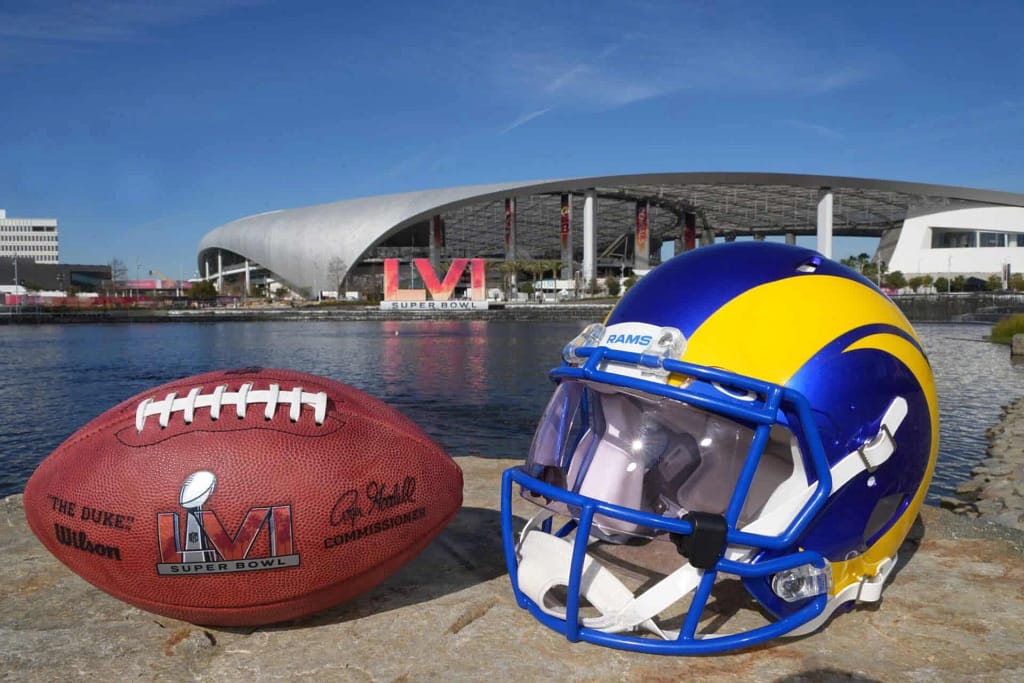
Iconic examples include the 2021 Los Angeles Rams, who brought in stars like Matthew Stafford, Jalen Ramsey, and Von Miller en route to a Super Bowl victory; the short-lived “Dream Team” Philadelphia Eagles of 2011; and recent attempts by teams such as the Tampa Bay Buccaneers, who loaded up with superstar veterans to support Tom Brady’s historic late-career run.
Immediate Financial Boosts: Ticket Sales, Sponsorships, and Merchandising
The most conspicuous benefit of assembling a superteam is the immediate surge in excitement and financial activity. New big-name signings and high expectations energize a team’s fan base, resulting in:
- Increased season ticket sales and game-day revenue
- Skyrocketing merchandise sales, especially for jerseys featuring new stars
- Heightened interest from local and national sponsors
Media Attention and Broadcast Ratings
NFL superteams have a gravitational effect on media coverage. Prime-time scheduling, greater national television exposure, and major storylines keep these teams in the limelight. Super Bowls and playoff games featuring such lineups usually command higher ad rates and increased viewership.
A Sports Business Journal (opens in new tab) analysis found that playoff games featuring multiple headline-grabbing stars can boost ratings significantly, helping teams and the league negotiate superior broadcast rights packages in the future.
The Salary Cap Dilemma: Can Superteams Last?
Unlike the NBA, the NFL’s hard salary cap provides a stringent check on roster construction. The biggest challenge? Balancing superstar contracts with the need for depth and long-term sustainability.
Teams face difficult trade-offs:
- Star-studded rosters often force franchises to rely on minimum salary players or rookies for depth.
- Front-loaded contracts and restructures can lead to huge “dead cap” hits if superstars depart or decline.
- One key injury—common in the NFL—can derail both championship hopes and financial returns, putting additional pressure on cap management.
As with the Atlanta Falcons’ post-2016 spending spree, overspending for a championship run sometimes leads to years of cap purgatory, forced player cuts, and fading returns once the window closes.
Do Superteams Actually Win More?
While some NFL superteams, like the 2021 Rams or 2020 Buccaneers, have achieved immediate success, many others have underperformed in dramatic fashion. Chemistry, injuries, and the unpredictable nature of football make even “stacked” rosters far from a sure thing.
A look back at the Eagles’ “Dream Team” of 2011, which failed to make the playoffs, reminds owners that talent alone doesn’t guarantee a return on investment. In a league where depth and coaching continuity are crucial, the pressure on superteams to justify spending is immense.
Long-Term Impact on Franchise Value
If a superteam wins a Super Bowl, the resulting fan loyalty, merchandise sales, and historic cachet can buoy franchise value for years. Repeat success can lead to dynastic status and outsized financial returns—see the recent value growth of the New England Patriots or Kansas City Chiefs.
However, there are scenarios where the cost of assembling a star-heavy roster far outweighs the potential upside:
- Overcommitted future payroll limits flexibility to rebuild.
- A lack of draft capital (often traded away for stars) erodes long-term competitiveness.
- Disappointment on the field can result in a rapid downturn in ticket sales and goodwill.
Financial experts at Sportico regularly analyze these risk-reward equations as teams attempt to hedge short-term success with long-term viability.
The Ripple Effect: League Economics and Market Dynamics
NFL superteams influence the league beyond their own balance sheets. Their formation can inflate free agent markets, drive up contract values, and shift media, sponsorship, and fan attention toward only a handful of franchises. This can challenge league parity, which has long been one of the NFL’s selling points.
On the other hand, the “arms race” leads to dramatic, must-watch storylines as teams reload to keep up with the league’s top contenders.
Lessons for GMs and Owners: Managing the Cost of Glory
Franchise success is about more than simply “buying” wins. The best GMs and owners leverage superstar signings strategically, maintain draft capital, and supplement elite talent with smart role-player acquisitions and player development. Those who ignore the salary cap’s realities or overcommit to aging stars can pay a heavy price.
Creating a roadmap for sustainable success involves:
- Carefully structured contracts that allow for future flexibility.
- Emphasis on depth and development to offset inevitable injuries.
- Calculated risk-taking, not desperation moves when forming or maintaining a superteam.
Conclusion: Is the Cost of an NFL Superteam Worth It?
The quest for football glory and the economic benefits that come with it make the creation of NFL superteams an understandably tempting proposition. But history and data reveal that while there are real financial rewards—especially with a Super Bowl win—the risks are equally significant. For every franchise that lifts the Lombardi Trophy after stacking its roster, another may face years of financial constraints and dashed expectations.
The true “cost of glory” is ultimately measured by a team’s ability not only to invest wisely but to sustain its financial and strategic health long after the championship confetti has fallen. As NFL teams continue to build and chase superteams, the most successful stories will blend short-term sizzle with long-term sustainability—delivering returns both on the field and on the bottom line.