
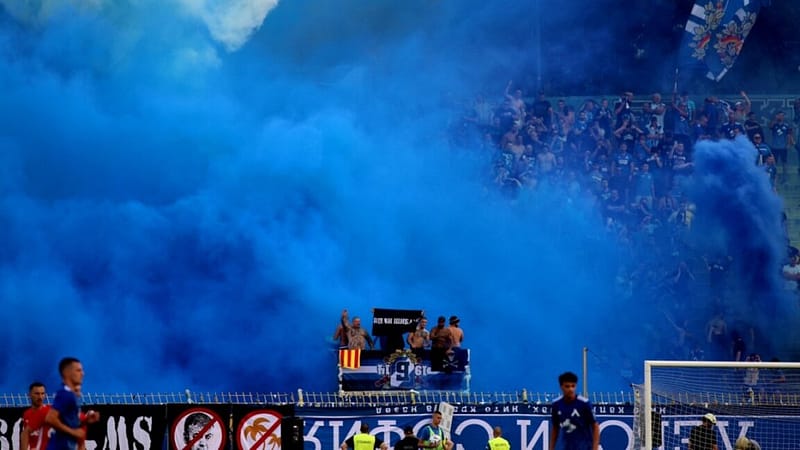

The world of football club ownership never remains still. Investment groups hunt for opportunity, football fans worry about their clubs’ future, and financial backers calculate returns. The failed attempt by Sport Republic, a British-based investment firm, to acquire Bulgaria’s Levski Sofia in 2024 is more than just a footnote—it holds lessons for investors, European clubs, and supporters worldwide. This comprehensive article examines what happened, why it matters, and how it fits into broader investment trends in global football.
Who Are Sport Republic and Levski Sofia?
Understanding Sport Republic

Sport Republic is a London-based investment group specializing in sports assets. Co-founded by Serbian media entrepreneur Dragan Šolak, the company gained prominence for its majority ownership of English Premier League club Southampton FC. Their strategy focuses on acquiring, modernizing, and synergizing football clubs and related sports businesses across Europe. With a data-driven and network-oriented approach, Sport Republic aims to nurture success both on and off the pitch.
A Brief Background on Levski Sofia
Levski Sofia is one of Bulgaria’s most storied and passionately supported football clubs. Founded in 1914, the club boasts a rich history, including multiple Bulgarian league titles and a significant fan base. However, like many Eastern European teams, Levski has faced persistent financial difficulties in recent years. Ownership instability, mounting debts, and underperformance on the field have rendered the club appealing yet risky to foreign investors.
The Failed Takeover: What Happened?
Timeline and Key Events
In early 2024, reports surfaced that Sport Republic was in advanced talks to acquire a controlling stake in Levski Sofia. The negotiations sparked optimism among the club’s supporters and Bulgarian football circles. A well-capitalized investor with Premier League experience seemed like the panacea for Levski’s financial woes.
However, by late spring 2024, the deal was called off. Both parties cited “irreconcilable differences and due diligence findings” as reasons for the collapse. According to The Athletic this was not uncommon in the current football investment climate, where many deals collapse late due to undisclosed financial risks or regulatory barriers.
Why Did the Deal Fall Through?
Several reasons contributed to the breakdown:
- Financial Due Diligence: Sport Republic reportedly discovered liabilities and obligations that exceeded initial disclosures. Historic debts, unclear ownership structures, and potential regulatory compliance issues posed too great a risk.
- Regulatory Hurdles: Eastern European clubs can involve intricate regulatory and legal environments, sometimes exposing investors to unexpected restrictions or costs.
- Strategic Mismatch: There were also rumors of disagreements over the direction of the club, especially regarding control, commercial strategies, and leverage of the Levski Sofia brand within Sport Republic’s broader portfolio.
Impact on Levski Sofia
Short-Term Fallout
Levski Sofia’s immediate future remains uncertain following the failed transaction. The club continues to face cash-flow challenges, lack of infrastructural investment, and fan discontent. While the ownership shambles have not yet led to direct sporting penalties, the air of uncertainty could impact future transfer windows and strategic planning.
Fan and Club Reaction
The response from supporters and club officials was mixed. Some fans had pinned hopes on Sport Republic rescuing the club, while others feared foreign ownership could dilute Levski’s traditions or trigger asset stripping.
Club officials stressed their ongoing search for alternative investment, but admitted that opportunities of this scale are rare. Many pointed to the need for more transparency and financial discipline to attract credible investors.
Broader Implications for Club Investment in European Football
The failed bid reflects and amplifies several ongoing trends:
Changing Nature of Football Club Ownership
Over the past decade, club ownership in Europe has seen a dramatic transformation:
- Rise of Multi-Club Ownership: Groups like City Football Group and Red Bull have acquired clubs globally to maximize synergies and talent pipelines.
- Investment in Emerging Markets: Eastern Europe, the Balkans, and even the Nordics are in investors’ crosshairs, offering lower entry points and the possibility of rapid returns if historic clubs are revived.
Common Challenges for New Investors
While opportunities abound, several structural risks remain:
- Opaque Finances: Clubs in financial trouble often have incomplete or unclear records.
- Local Regulations: Foreign ownership is not always welcome or simple to implement; legal frameworks are often outdated or changeable.
- Fan Culture: Clubs like Levski carry histories and support bases that may resist foreign control or drastic changes, leading to instability.
Lessons Learned: Red Flags in Football Club Acquisitions
The Levski Sofia saga offers several lessons for potential investors:
Importance of Comprehensive Due Diligence
A thorough due diligence process is non-negotiable. Potential red flags such as undisclosed debts, outstanding legal disputes, or hidden third-party interests can derail even the most advanced negotiations.
Key areas of focus should include:
- Accurate accounting of all liabilities and long-term commitments
- Clear understanding of ownership structures, including any hidden partners
- Assessment of ongoing regulatory compliance issues and pending sanctions
Cultural and Political Sensitivities
Investors must also account for local culture and politics. Clubs like Levski function as national symbols, and any perception of disregard for local heritage can generate backlash, both among fans and political actors. Smooth transitions hinge on communication, local partnerships, and respect for history.
Future Trends: Club Investment After Sport Republic’s Failed Bid
Opportunities in Emerging Markets
Despite these complications, interest in clubs like Levski Sofia is unlikely to wane. Investors are attracted by the prospect of “sleeping giant” clubs that offer:
- Loyal and sizeable fan bases
- Competitive domestic leagues
- Opportunities for brand expansion and international commerce
However, deals are likely to be more cautious. The era of speculative buying is fading, replaced by detailed due diligence and performance-based investment structures.
Increased Scrutiny and Transparency
European football’s governing bodies—especially under UEFA’s Financial Fair Play regulations—are asking for increased transparency from both clubs and investors. This trend promotes stability but may restrict high-risk or opportunistic investments. More clubs will need to make their finances and strategic intentions clear to attract credible partners.
Advice for Investors Considering Club Takeovers
If Sport Republic’s failed bid teaches a simple lesson, it’s that buying a football club is not for the faint of heart. Any would-be investor should:
- Conduct rigorous, open-ended due diligence
- Establish relations with local stakeholders early
- Plan for cultural, regulatory, and sporting integration
- Be prepared for ongoing investment beyond the sticker price
Conclusion: Lessons and the Road Ahead
Sport Republic’s failed Levski Sofia acquisition is not an isolated misstep but rather a sign of evolving realities in football finance. As European club ownership globalizes, the stakes and the scrutiny only increase. For Levski Sofia, the hunt for stability continues. For investors worldwide, the case underscores a new normal: thorough homework, cultural humility, and long-term thinking reign supreme.
With careful planning and respect for tradition, the next major investment in Eastern European football—or elsewhere—might just succeed where even premier investors have stumbled.