
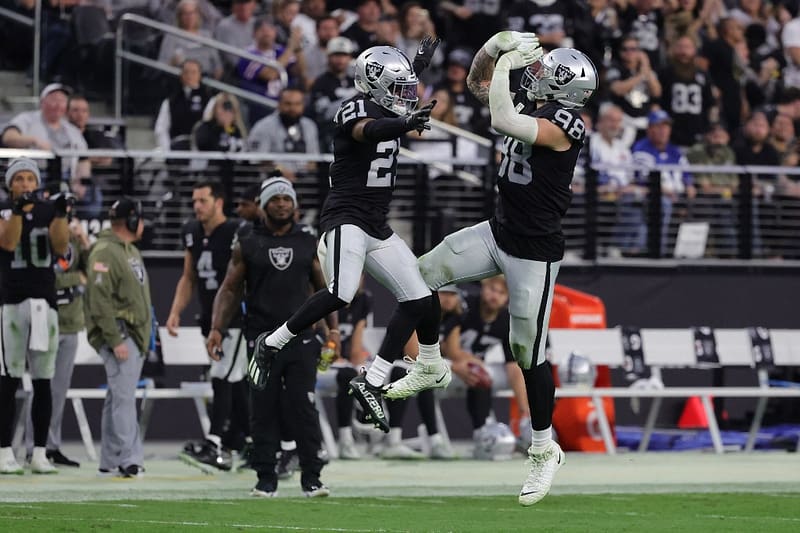

Few moments in the modern NFL offseason have created as much confusion—and intrigue—as the sudden collapse of the Maxx Crosby trade to the Baltimore Ravens. What initially appeared to be a blockbuster deal involving multiple first-round picks quickly turned into one of the league’s most debated front-office decisions.
The fallout has extended beyond just two teams. It has sparked broader questions about how NFL franchises evaluate risk, manage negotiations, and ultimately make high-stakes decisions under pressure.
This wasn’t just a failed trade—it was a revealing case study in how the NFL operates behind the scenes.
The Deal That Almost Changed The AFC
The proposed trade would have sent one of the league’s most dominant pass rushers to a Ravens defense already built around physicality and aggression.
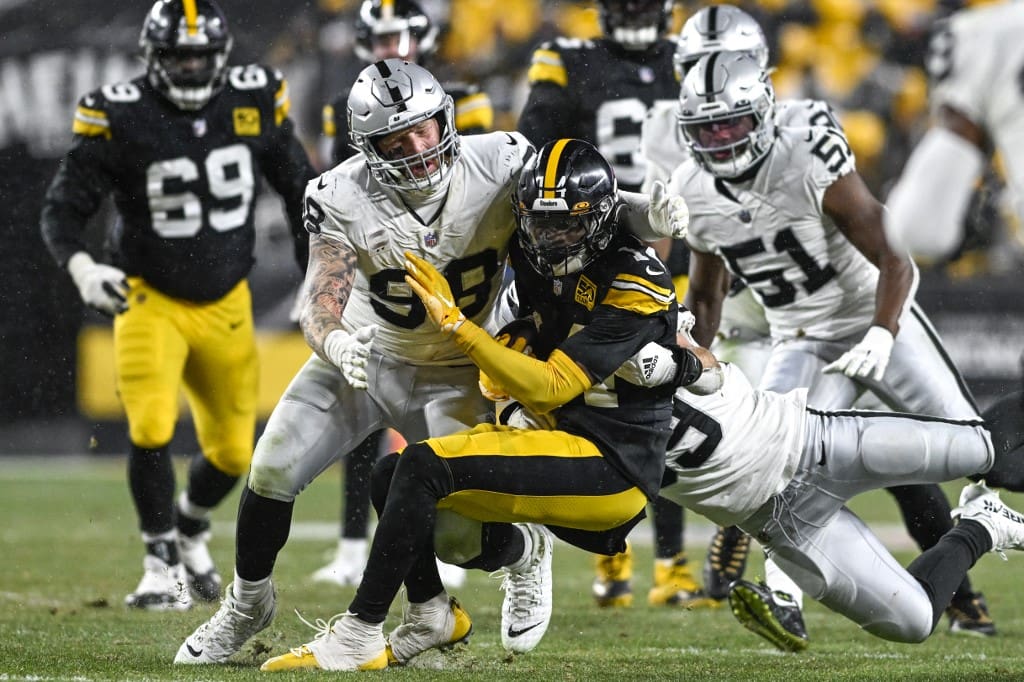
Baltimore was reportedly willing to give up two first-round picks, a price that reflects Crosby’s elite status as a defensive cornerstone. However, the deal unraveled at the final stage—after Crosby underwent a physical.
Medical concerns tied to a recent knee surgery ultimately led the Ravens to back out of the agreement.
That decision shocked the league, particularly given how close the deal was to becoming official.
Why The Physical Became The Breaking Point
In the NFL, no trade is complete until a player passes a physical. That process, often overlooked by fans, represents one of the most critical checkpoints in any transaction.
Crosby had undergone meniscus surgery following the 2025 season, and while his camp remained confident in his recovery, Baltimore viewed the situation differently.
The Ravens’ medical staff reportedly determined that the long-term risk outweighed the potential reward.
What makes this situation particularly fascinating is the contrast in perspectives:
| Stakeholder | Perspective |
|---|---|
| Ravens | Risk management and long-term health concerns |
| Crosby’s camp | Confidence in recovery timeline |
| Raiders | Surprise and frustration over reversal |
This divergence highlights how medical evaluations can become the deciding factor in franchise-altering moves.
The Timing That Raised Questions Across The League
The controversy intensified when Baltimore quickly pivoted to another move—signing Trey Hendrickson shortly after backing out of the Crosby deal.
That sequence raised eyebrows across the NFL. Was the failed physical truly the sole reason, or did the Ravens shift strategy at the last moment?
Reports suggest that Crosby and the Raiders questioned Baltimore’s explanation, especially given how rapidly the team moved in a different direction.
While Ravens leadership has insisted the decisions were unrelated, the optics created a narrative that continues to fuel debate.
What This Reveals About NFL Front Offices
The Crosby situation offers a rare glimpse into how NFL front offices operate under pressure.
Every major decision involves balancing multiple variables:
- Player performance and upside
- Injury risk and long-term durability
- Salary cap implications
- Draft capital investment
In Crosby’s case, the Ravens ultimately prioritized risk management over immediate impact.
This aligns with a growing trend across the league: teams are becoming increasingly cautious when committing significant resources to players with recent injury histories.
The Ripple Effects Across The NFL
When a deal of this magnitude collapses, the impact extends far beyond the teams involved.
The failed trade:
- Shifted Baltimore’s defensive strategy
- Reinforced Crosby’s role in Las Vegas
- Influenced how other teams evaluate similar deals
As we explored in the NFL’s biggest power moves shaping this season, even one decision can trigger a chain reaction across the league.
Crosby’s situation also reminded teams that nothing is final until every detail is confirmed.
The Human Side Of The Business
Beyond strategy and analytics, the Crosby trade drama also highlighted the emotional reality of the NFL.
Crosby himself described the experience as deeply frustrating, having believed the deal was essentially complete before it suddenly collapsed.
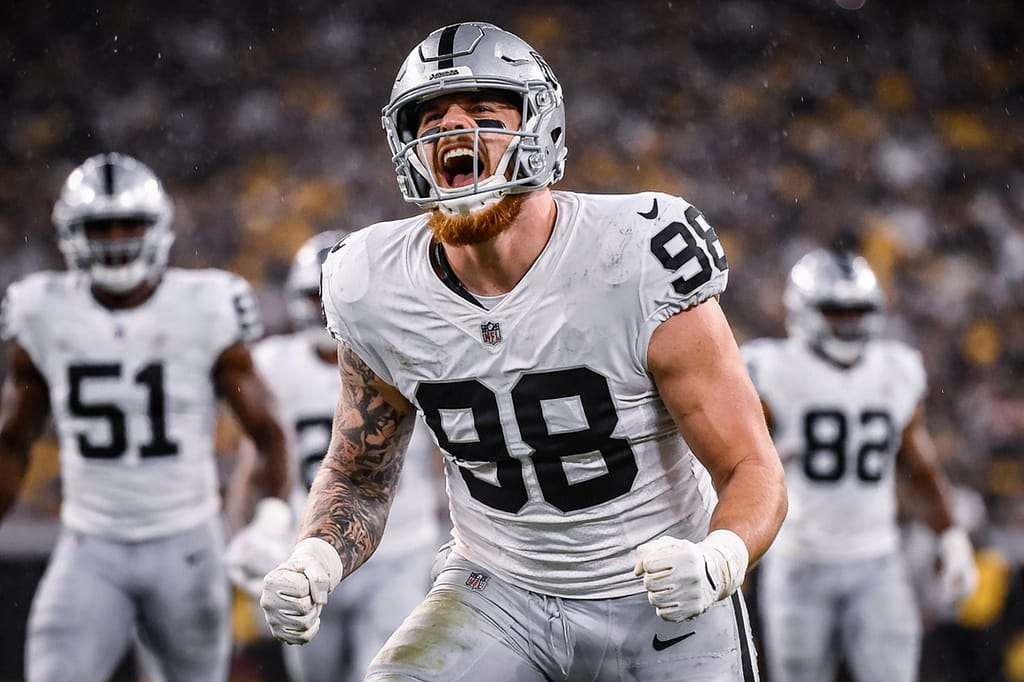
For players, these moments are not just transactions—they are life-changing events involving relocation, identity, and career trajectory.
That human element is often overlooked in discussions focused solely on team strategy.
Why This Moment Could Change Future Deals
The fallout from this situation may influence how future trades are handled across the league.
Front offices could become:
- More cautious in early agreements
- More transparent about medical evaluations
- More strategic in timing negotiations
According to analysis from NFL trade and roster strategy insights, the complexity of modern roster construction continues to grow, making deals like this increasingly delicate.
Teams are no longer just acquiring players—they are managing long-term risk in a highly competitive environment.
A Defining Example Of Modern NFL Decision-Making
The Maxx Crosby trade drama will likely be remembered as one of the most revealing moments of the offseason.
| Factor | Impact |
|---|---|
| Medical evaluation | Determined final decision |
| Draft capital | Increased stakes dramatically |
| Timing | Created league-wide speculation |
| Alternative moves | Shifted team strategy instantly |
In the end, the Ravens made a decision rooted in caution, while Crosby remained with a franchise that continues to view him as a cornerstone.
But the bigger takeaway goes beyond one player or one team.
A League Defined By Risk And Precision
The NFL is a league where margins are razor-thin and decisions carry massive consequences.
The failed Crosby trade underscores a simple truth:
front offices are constantly navigating the balance between boldness and caution.
Some moves define championships. Others define lessons.
And in this case, the lesson is clear—
even the biggest deals in football can disappear in an instant.