
The New York Giants didn’t just change coaches this offseason—they changed direction.
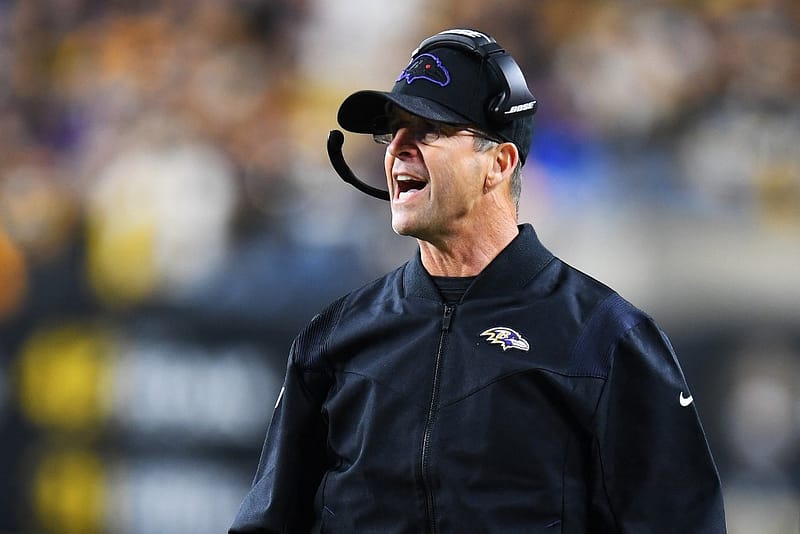
After a disappointing 2025 campaign that saw Brian Daboll fired midseason following a 2–8 start, the organization made one of the most significant hires of the NFL cycle: John Harbaugh on January 17, 2026 .
This wasn’t a rebuild move. It was a cultural reset.
Harbaugh arrives with Super Bowl pedigree, playoff consistency, and a reputation for building resilient teams. But more importantly, he brings something the Giants have lacked in recent years: a clear identity.
Harbaugh’s Philosophy: Culture Before Scheme
From the moment he stepped into the building, Harbaugh made it clear that this transformation would start with people—not playbooks.
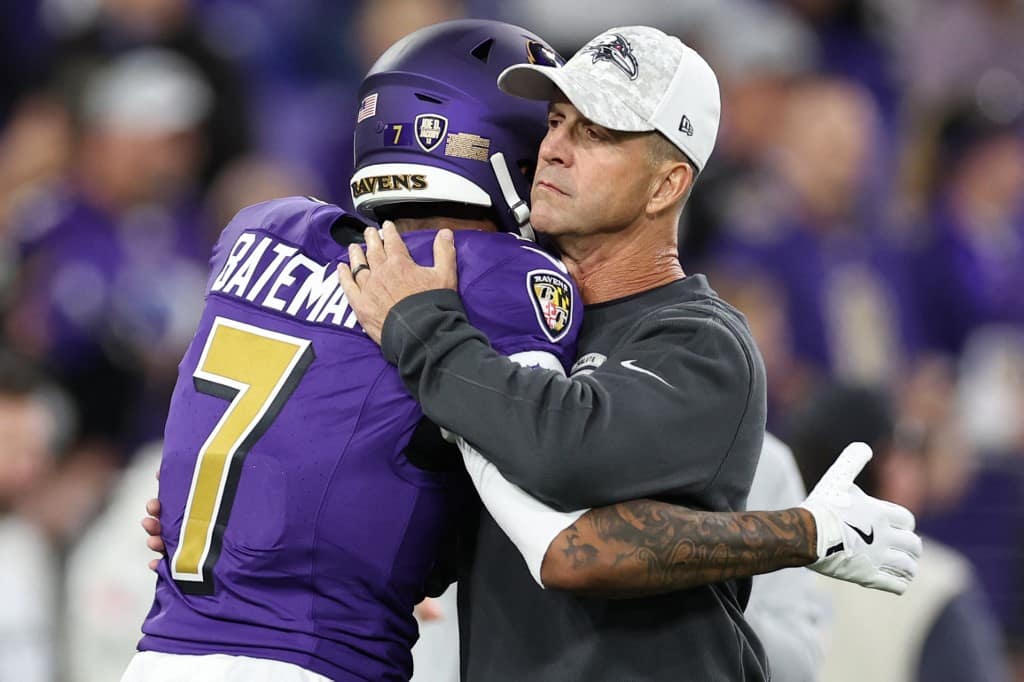
In his first team meeting, he didn’t discuss depth charts or schemes. Instead, he asked players to define their “purpose and identity,” setting a tone rooted in connection and accountability .
That approach represents a sharp shift from the previous regime.
Harbaugh’s leadership style is built on:
- Relationship-driven communication
- Emotional investment from players
- Collective accountability
This isn’t just a coaching change—it’s a cultural recalibration.
Rebuilding The Roster In Baltimore’s Image
One of the clearest early signs of Harbaugh’s influence is how the Giants are reshaping their roster—and who they’re bringing in.
Several key additions reflect direct ties to his Baltimore system:
| Player | Position | Contract | Previous Team |
|---|---|---|---|
| Isaiah Likely | TE | 3 years, $40M | Ravens |
| Tremaine Edmunds | LB | 3 years, $36M | Bears |
| Greg Newsome II | CB | 1 year, $8M | Jaguars |
| Ar’Darius Washington | S | 1 year, $3M | Ravens |
These aren’t random signings. They are system fits—players who understand physical football, defensive discipline, and situational execution.
Likely, in particular, stands out. Harbaugh knows his potential firsthand, and his signing signals a shift toward tight end versatility and offensive flexibility .
This is how identity gets built—not through headlines, but through alignment.
The Dexter Lawrence Situation Reveals The New Reality
No reset is smooth, and the situation surrounding Dexter Lawrence highlights the complexity of Harbaugh’s early tenure.
The All-Pro defensive tackle, currently in the third year of a four-year, $90 million deal, has been seeking contract clarity while trade rumors swirl .
Harbaugh’s response has been telling.
He described the situation as “a business proposition,” emphasizing that even cornerstone players are evaluated through the lens of team-building.
That’s a significant message.
In previous eras, star players often dictated direction. Under Harbaugh, the system dictates everything.
Offensive Structure And The Jaxson Dart Timeline
Another major piece of this reset is the offensive structure built around young quarterback Jaxson Dart.
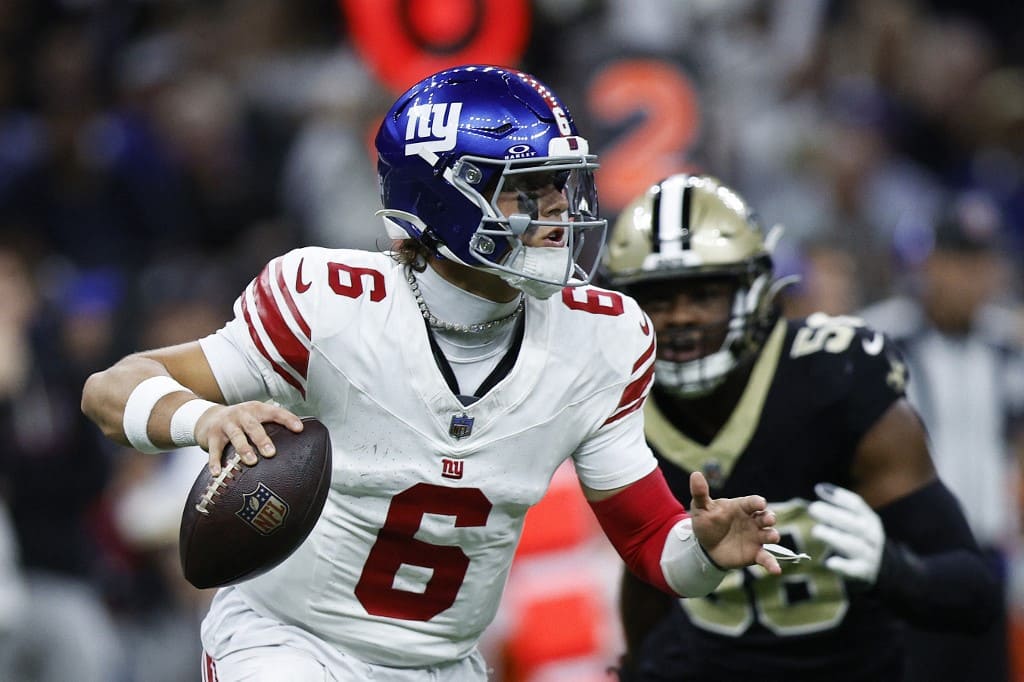
With the hiring of Matt Nagy as offensive coordinator and the addition of multiple offensive weapons, the Giants are prioritizing:
- Scheme clarity
- QB development
- Controlled offensive growth
The organization even accelerated its offseason schedule—starting April 7 with additional minicamp opportunities—to fast-track chemistry and system integration .
This is not a rushed rebuild. It’s a structured evolution.
Tough Decisions Signal A New Standard
Harbaugh’s early roster decisions have already reinforced a key message: no one is guaranteed anything.
Early offseason cuts, including multiple depth players, were less about performance and more about setting expectations .
The Giants are establishing a culture where:
- Accountability outweighs tenure
- Competition is constant
- Roles must be earned
That level of clarity often separates rebuilding teams from emerging contenders.
What This Means For The NFC Landscape
The Giants are not expected to become instant contenders—but they are no longer directionless.
What Harbaugh is building resembles the same foundation that sustained Baltimore for nearly two decades:
- Defensive discipline
- Situational awareness
- Emotional resilience
And in a conference filled with volatility, that kind of identity can accelerate progress quickly.
It’s similar to how teams across the league are redefining themselves through strategic roster power shifts, where identity—not just talent—drives long-term success.
The Bigger Picture: Identity Over Talent
The Giants’ reset under Harbaugh is not about quick wins. It’s about sustainable relevance.
For years, the franchise struggled with inconsistency—changing systems, unstable leadership, and unclear direction.
Now, for the first time in a long time, there’s a unified vision.
And in today’s NFL, that might be the most valuable asset of all.
Because talent can win games.
But identity builds contenders.