


As the NFL’s international ambitions grow, Europe has turned from novelty destination to a genuine frontier for American football. With 2026 looming as a pivotal year for expansion and major games overseas, the spotlight is now on which European cities are truly prepared—and what the world’s most popular sport, soccer, can teach the NFL about winning over a new continent.
The NFL’s Global Vision and Europe’s Rising Role
The NFL’s incremental expansion into Europe over the past two decades, highlighted by annual games in London and new ventures into Germany, is part of a calculated global growth strategy. In 2026, the league may look to deepen its footprint, with regular season games and marketing efforts targeting key European metropolitan areas.
London: The NFL’s European Headquarters
No city is better positioned to host NFL games than London. With multiple regular season games at Wembley and Tottenham Hotspur Stadium every year, London has proved it can attract packed crowds, vibrant tailgates, and robust local interest. Additionally, strong transportation, global media presence, and an existing sports infrastructure make London the logical hub for any sustained NFL presence.
Still, challenges remain—including how to maintain momentum without oversaturation and how to cultivate year-round fan engagement beyond big games.
Frankfurt and Munich: Germany’s Gridiron Revolution
Germany’s appetite for American football exploded when NFL games landed in both Frankfurt and Munich, where ticket demand far outstripped supply and the atmosphere rivaled top-tier matches. German fans have embraced the sport with passion, and local organizations, feeder leagues, and youth programs support grassroots growth.
Frankfurt and Munich’s centrally located stadiums, strong American cultural ties, and knowledgeable fan bases place them at the heart of the NFL’s European vision. According to NFL.com (opens in new tab), Germany is slated for more games through 2026 and beyond, making it a strong candidate for expanded operations.
Paris, Madrid, and Beyond: New Frontiers for American Football
The NFL isn’t just focused on the U.K. and Germany. Paris, Madrid, and even Dublin have entered the conversation for potential future games. France has a dynamic sports culture and infrastructure, while Spain’s soccer-mad cities are already home to massive stadiums and passionate sports communities.
Bringing games to cities like Madrid and Paris would test the league’s ability to break into new markets, tapping into Europe’s growing enthusiasm for diverse sporting events.
What Soccer Can Teach the NFL About European Expansion
Soccer’s grip on Europe is absolute, and its organizational model holds key lessons for the NFL:
1. Deep Community Engagement
Europe’s top football (soccer) clubs are embedded in their communities, with outreach programs, youth academies, and fan clubs that build multi-generational loyalty. For the NFL to succeed, franchises may need to go beyond marquee games and invest in local flag football leagues, training camps, and charity events.
2. Flexibility in Fan Experience
European soccer is renowned for its atmosphere, whether through supporter groups or stadium rituals. The NFL can learn from creative fan engagement—such as local food, music, and family-centered events—that build a unique culture around each game.
3. Year-Round Storytelling
Soccer clubs stay in the headlines all year, thanks to both domestic leagues and European competitions. For the NFL to reach similar prominence, content strategies should highlight European players, off-season events, and behind-the-scenes stories to keep fans engaged, even when the games are far away.
To learn more about the global influence of soccer, visit UEFA’s official site (opens in new tab).
Potential Challenges and Roadblocks Ahead
While the NFL’s stadiums fill up for overseas games, there are hurdles to overcome:
- Time zones and broadcast logistics remain a challenge, affecting local and American viewers.
- Depth of fandom—most attendees are casual fans or expats. Building sustained, local allegiances will require more than spectacle.
- Competition with soccer for stadium time and fan attention is fierce, especially in the spring and fall.
Overcoming these challenges will require a long-term investment in both infrastructure and grassroots marketing.
The 2026 Roadmap: Which Cities Are Most NFL-Ready?
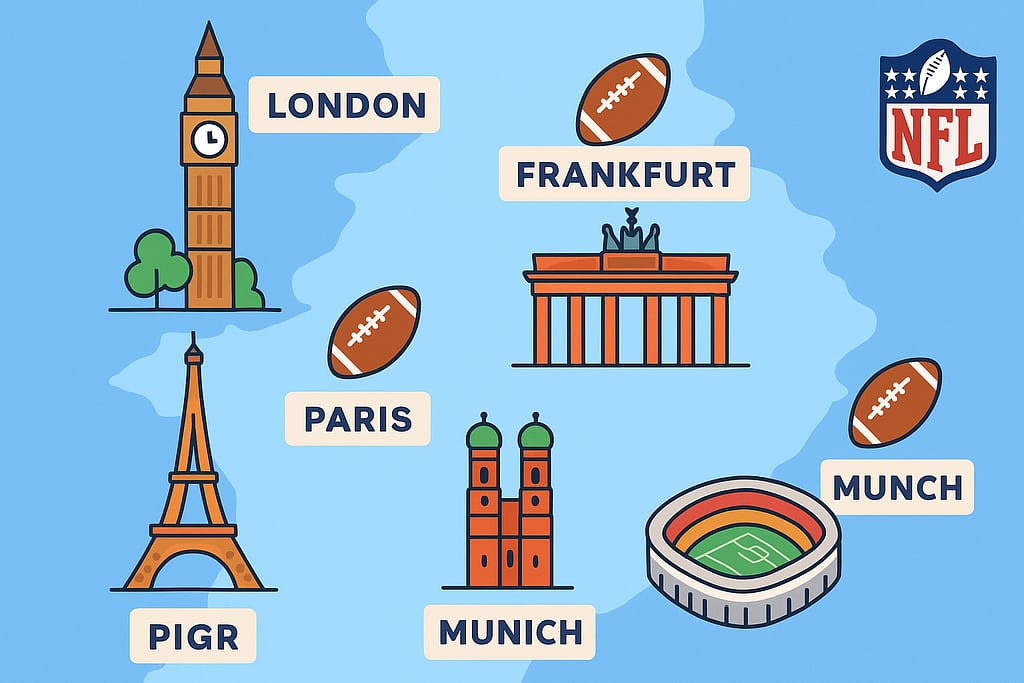
Based on current infrastructure, fan engagement, and proven ability to host major sporting events, the cities best poised for NFL games in 2026 include:
- London: The flagship for NFL international growth, with stadiums and a large expat population.
- Frankfurt & Munich: Rapidly maturing markets with sellout crowds.
- Paris & Madrid: Emerging candidates with world-class stadiums, tourism infrastructure, and interest in global sports.
Honorable mentions go to Dublin, Milan, and Amsterdam—cities with both history and potential for future NFL attention.
Conclusion:
Bringing the NFL to Europe—Lessons and Opportunities
As the NFL ramps up its European ambitions for 2026, the league has much to learn from soccer’s deeply-rooted culture. The keys to long-term success will be community engagement, unique fan experiences, and content that resonates with both locals and traveling fans. If the league can adapt its approach and continue investing in future-ready cities like London, Munich, and Madrid, American football may find a second home on European soil.