
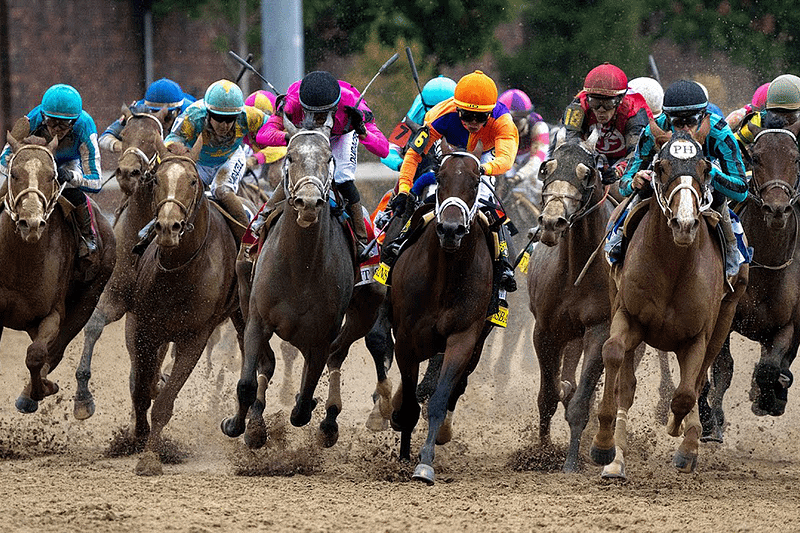

If you spend most of your time betting on soccer—Premier League, Champions League, international tournaments—the Kentucky Derby can feel like stepping into a completely different world.
And in many ways, it is.
With the 2026 Kentucky Derby set for May 2, a lot of crossover bettors will take a shot at the race, expecting it to behave like a typical sports market. That’s usually where things go wrong.
Because horse racing—and especially the Derby—doesn’t play by the same rules.
You’re Not Betting Against the Book
In soccer betting, odds are set by bookmakers. You’re betting into a price that’s already defined, and your job is to beat it.
The Kentucky Derby works differently.
It uses a pari-mutuel system, where all bets go into a shared pool and payouts are determined after the race. Odds shift continuously based on how much money is placed on each horse.
So instead of trying to beat the bookmaker, you’re really trying to beat the crowd.
There’s No “Team Form” — Only Fragments of It
Soccer bettors rely heavily on form: recent results, head-to-head matchups, injuries, tactics.
With the Derby, you’re working with fragments:
- A few prep races
- Limited head-to-head overlap
- Horses that are still developing
You’re projecting forward more than analyzing backward.
A horse that dominated a prep race might have faced weaker competition. Another that finished third could actually be more dangerous in a larger, faster field.
It’s less about clean data—and more about interpretation.
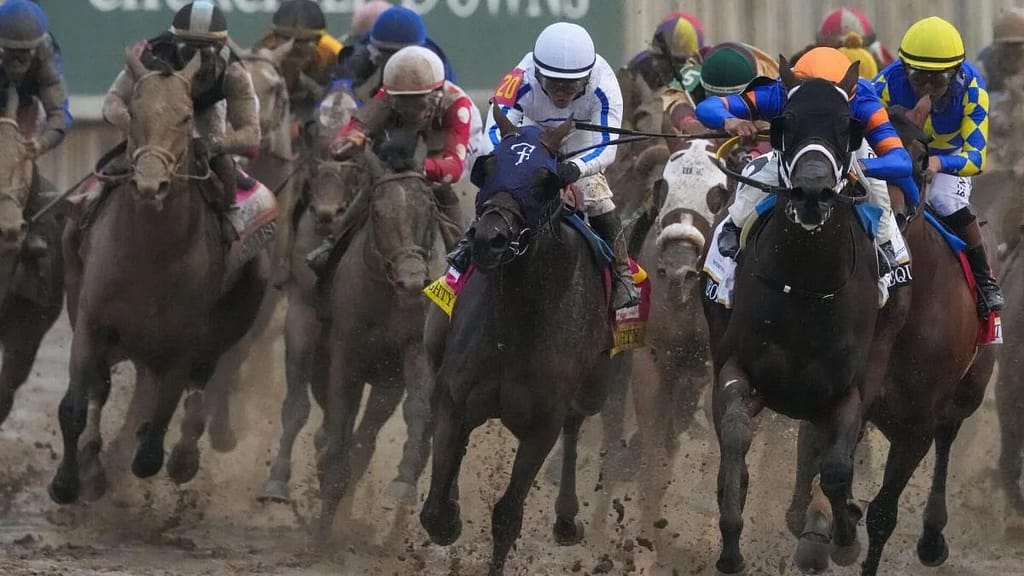
The Market Is Way More Emotional
In major soccer matches, markets tend to be efficient. Sharp money corrects bad pricing quickly.
The Kentucky Derby? Not even close.
Because it attracts so many casual bettors, the market becomes heavily influenced by:
- Media hype
- Storylines
- Trainer reputation
- Even the horse’s name
This creates something soccer bettors don’t see often: soft pricing at scale.
Favorites often get overbet. Lesser-known contenders drift into value ranges simply because they aren’t popular.
That’s where the opportunity lives.
If you’re browsing different platforms, checking online betting platforms can give you a sense of how odds differ and where pricing might be softer.
One Race, Infinite Combinations
Soccer betting is mostly about outcomes: win, draw, totals, props.
The Derby introduces a completely different layer—combinational betting.
You’re not just picking a winner. You can bet:
- The exact top two finishers (exacta)
- The top three (trifecta)
- The top four (superfecta)
And in a 20-horse field, that creates an explosion of possible outcomes.
This is why payouts can be enormous—and why structure matters more than prediction.
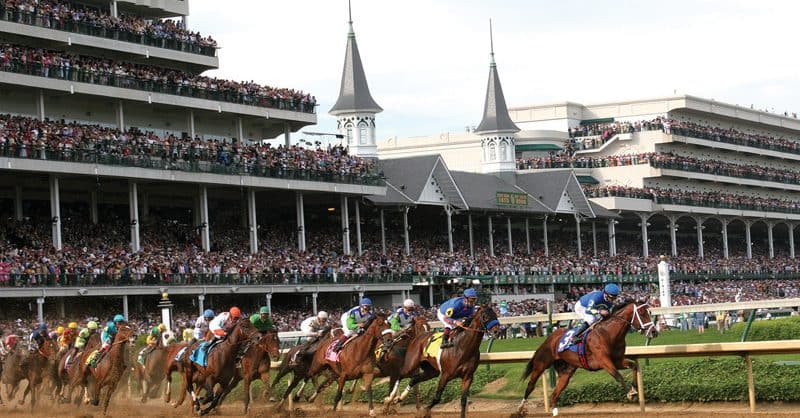
Chaos Is Part of the Strategy
In soccer, chaos is usually something to avoid. You want predictability.
In the Kentucky Derby, chaos is part of the edge.
Traffic issues, pace collapses, late surges—these aren’t anomalies, they’re baked into the race.
Historical data from
shows that many Derby winners benefited from how the race unfolded, not just raw ability.
Understanding how chaos might play out is often more valuable than trying to eliminate it.
The 2026 Derby: A Different Kind of Opportunity
As May 2 approaches, soccer bettors stepping into the Derby should shift their mindset.
Instead of asking:
- “Who’s the best?”
Start asking:
- “Who’s mispriced?”
- “Where is the crowd wrong?”
- “How does this race scenario unfold?”
Because the Derby isn’t about certainty—it’s about positioning yourself within uncertainty.
Final Thoughts
Betting the Kentucky Derby is less like betting a soccer match and more like navigating a moving market filled with emotion, noise, and opportunity.
If you approach it the same way you approach football betting, you’ll probably struggle.
But if you adapt—if you lean into the chaos, understand the market, and look for value instead of favorites—you might find that the Derby offers something most sports don’t:
A real chance to beat the crowd.