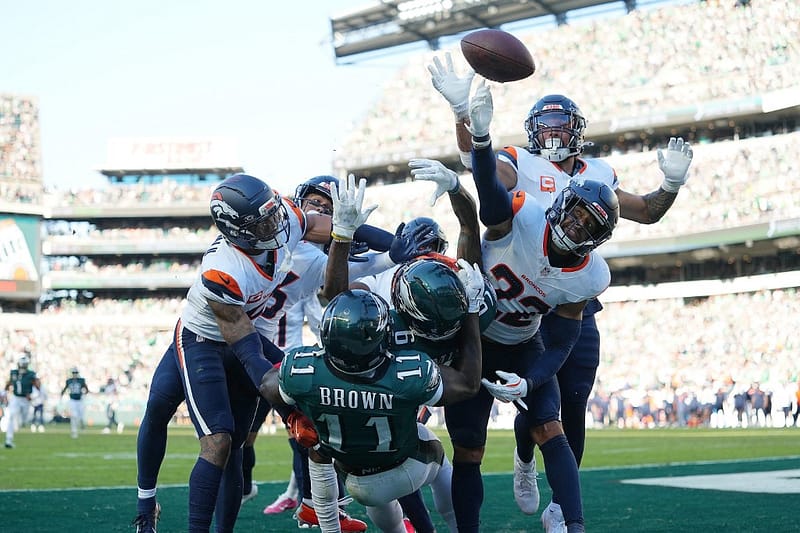

The New England Patriots did not make the A.J. Brown trade to look interesting in June.
They made it to matter in January.
Brown’s move from the Philadelphia Eagles to the Patriots on June 1, 2026, turned a rising New England offense into one of the league’s most watched units before training camp even began. The deal sent Brown to Foxborough and gave Drake Maye the one thing every young franchise quarterback eventually needs: a true coverage-shifting No. 1 receiver.
That is the part that changes the story.
The Patriots are no longer acting like a team waiting for development to arrive on its own schedule. They are acting like a team that believes Maye is ready now, that Mike Vrabel’s first season proved more than hope, and that the AFC window has opened faster than any cautious front office plan expected.
Brown Gives Maye The Missing Piece
The trade immediately gives New England a receiver with size, physicality, route strength, and postseason experience. Brown turns 29 on June 30, but his game still carries the kind of force that alters defensive rules.
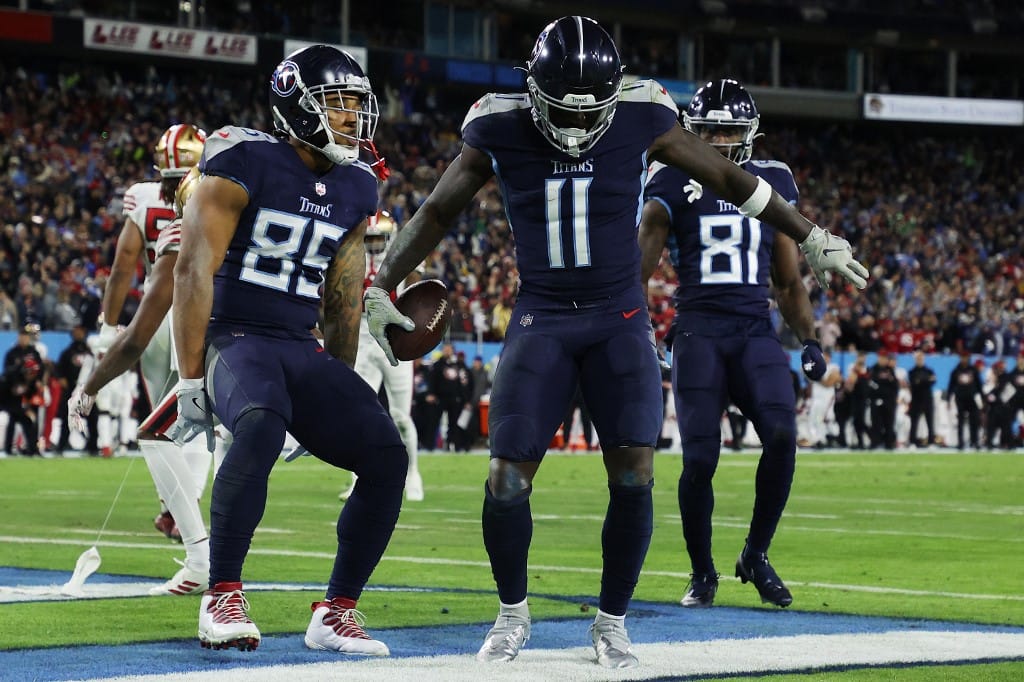
NFL.com described Brown as a bona fide No. 1 target for Maye, a receiver who gives the Patriots the go-to weapon their offense had been chasing for months. That matters more in New England than it would in a finished offense, since Maye’s rise has already moved the franchise out of the patient-rebuild category and into contender conversation. The A.J. Brown Patriots trade does not just add production. It gives the offense a focal point.
Before Brown, New England could spread the field, move pieces around, and build rhythm through structure. After Brown, defenses must account for a player who can win through contact, punish single coverage, and tilt safety help away from the rest of the field.
That is how a young quarterback grows from impressive to dangerous.
The Price Says New England Is Done Waiting
The reported return for Philadelphia — a 2028 first-round pick and a 2027 fifth-rounder — shows how serious the Patriots are about this phase of the build.
A future first-round pick is not a casual payment. It is a signal.
New England looked at its roster, its quarterback, its coaching staff, and its recent Super Bowl run, then decided that future flexibility was less valuable than giving Maye a star target right now. That is the kind of decision teams make once internal belief turns into organizational conviction.
ESPN’s coverage framed the move as the end of one of the offseason’s most anticipated trade sagas, with Brown landing in New England after long-running speculation around his Eagles future. The Patriots-Eagles trade analysis captured the key point: this deal does not produce a simple winner or loser. It creates two very different timelines.
Philadelphia gains future ammunition.
New England gains immediate pressure.
What Brown Changes On The Field
Brown’s impact starts before the snap.
Defenses can no longer treat New England as a system offense built around timing alone. They now have to assign real resources to one side of the field, account for contested catches, and respect intermediate routes that can become explosive gains after contact.
| Patriots Offensive Area | Before Brown | After Brown |
|---|---|---|
| Primary Receiver Role | Shared targets, no clear alpha | Brown becomes the coverage magnet |
| Drake Maye’s Reads | More tight-window decisions | Cleaner spacing against safety help |
| Red-Zone Threat | Scheme-dependent | Physical matchup advantage |
| AFC Perception | Rising contender | Immediate title threat |
That table explains the real value.
Brown does not need 150 targets to justify the trade. His presence can improve the entire passing structure. Slot receivers get cleaner releases. Tight ends find more space. Play-action gains more teeth. Maye gets a receiver who can turn a slightly late throw into a completion.
Those details separate promising offenses from playoff offenses.
Maye’s Window Arrived Early
Drake Maye’s near-MVP rise already changed New England’s expectations. Brown’s arrival confirms the franchise agrees.
This is the same logic behind the recent Drake Maye Patriots rise conversation: New England’s rebuild did not move at normal speed. Maye’s command, arm talent, and late-season confidence pushed the Patriots into a higher tier before the roster was fully built.
Now the roster is catching up to the quarterback.
That is the key distinction. Teams often add receivers to rescue struggling passers. The Patriots added Brown to accelerate a quarterback who already looks ready for more. That changes the energy of the move. It is not desperation. It is confirmation.
New England believes Maye can carry a title-level offense.
Brown is the proof.
The Betting Market Will React Fast
Trades like this rarely stay confined to film rooms.
They move public perception, futures conversations, and matchup expectations. New England already entered 2026 with heavy attention after its Super Bowl appearance. Brown’s arrival adds another layer to how bettors, analysts, and sportsbooks evaluate the Patriots against the rest of the AFC.
For readers tracking how sportsbook profiles, market access, and futures pricing shape NFL reaction, a BookMaker sportsbook review can add useful context before comparing how major player movement affects Super Bowl odds, AFC prices, and weekly markets.
The key is restraint. A star receiver can change a team’s ceiling, but price still matters. If the market overreacts too aggressively, value can disappear before the season begins.
That is what makes this trade such a strong betting storyline. It improves New England on paper, yet it also invites the public to chase the obvious narrative.
Why Brown Fits Vrabel’s Patriots
This move fits Mike Vrabel’s team in a way that goes beyond box-score logic.
Vrabel wants toughness, accountability, and players who can handle high-leverage football. Brown brings all three. He has played in big games, handled physical coverage, and carried No. 1 receiver pressure in Philadelphia and Tennessee.
That matters in Foxborough.
The Patriots are not building a soft highlight offense. They are building an offense that can win cold-weather games, handle third-and-7, and punish defensive hesitation. Brown gives Josh McDaniels a receiver who can align outside, work across the middle, and become a red-zone answer without forcing the playbook into one narrow identity.
The fit is practical.
Brown gives the offense muscle.
The Eagles Side Makes The Deal Even More Interesting
Philadelphia’s decision deserves attention too.
The Eagles moved Brown after a 2025 season filled with frustration around role, production, and offensive direction. A 1,000-yard season may look strong from the outside, but Brown’s standards sit higher than that. His relationship with the offense had become strained enough for the Eagles to accept future picks instead of dragging the issue into camp.
For New England, that tension created opportunity.
A player can be the wrong fit for one moment and the right fit for another. Brown arrives in New England with a cleaner role, a quarterback trending upward, and a coaching staff that needs his exact skill set.
His past frustration does not vanish. It becomes fuel if the Patriots manage it well.
The AFC Just Got More Crowded
Kansas City, Buffalo, Cincinnati, Baltimore, and Houston already made the AFC brutal.
New England adding Brown does not push every rival down the board by itself. It does make the Patriots harder to place. A team that already reached the Super Bowl now has a receiver who can flip third downs, pull coverage, and help its quarterback survive tight postseason windows.
That is the difference between being respected and being feared.
Pro Football Reference’s A.J. Brown career stats show a receiver with years of high-end production, not a one-season flash. New England is betting that the next phase of his career can still shape playoff games.
That bet is reasonable.
It is still a bet.
The Risk New England Must Manage
The Patriots paid for present impact with future capital.
That always brings risk.
Brown’s age, contract weight, and fit with Maye all matter. So does health. So does the chemistry timeline. A receiver of Brown’s stature expects the ball in defining moments, and a young quarterback must balance trust with discipline.
This is where Vrabel’s culture matters.
New England needs Brown to be a force, not a weekly referendum on target share. It needs Maye to stay aggressive without forcing throws. It needs the offense to grow around Brown rather than shrink into “find the star” football.
The best version of this trade makes everyone harder to defend.
The worst version makes the offense too predictable.
The Patriots Are Telling The League Who They Are
The A.J. Brown trade is the clearest statement New England has made in the Drake Maye era.
The Patriots believe their quarterback is ready. They believe their coach has already reset the building. They believe last season’s Super Bowl run was not a fluke. They believe the right veteran star can turn a rising offense into a title-level one.
That does not guarantee a championship.
It does define the standard.
New England is no longer asking for patience. It is asking to be measured against the best teams in the league.
Brown’s arrival makes that fair.
The Patriots pushed their chips forward. Now Maye has the weapon, Vrabel has the urgency, and the AFC has another contender with no interest in waiting its turn.